
- Hakone’s Venetian Glass Museum – The Biggest Surprise in Town - 19 March 2026
- How to Fill in Your Visit Japan Web Arrival Documents for Japan - 18 March 2026
- The Beginners Guide to Getting on the Shinkansen - 16 March 2026
Kanazawa is probably best known for the pretty streets of Higashi Chaya, its old geisha district, but there are a lot more things to do here than wander these. Here are our top 10 things to do in Kanazawa.
1. The Ninja Temple
Initially, this was struck off my list of Kanazawa sights as being too hard to visit.
The tour is in Japanese, you need a booking, and you can’t make these online. See, too hard! But as I wandered past, I figured I’d stick my head in the door. It only took a quick call on an intercom to get on the next tour—and it was fabulous.

Article by Helen Foster. Disclosure: Some links in this post are affiliate links. See our Affiliate Disclosure.
The temple looks small from the outside, but due to some sneaky construction, it actually contains 23 rooms and four floors.
See the longer post on the Ninja Temple tour review to learn more about why this is the case and what to expect from the tour, but this was my absolute favourite thing that I did in Kanazawa.
Myouryoji is open seven days a week, 9 am to 4 pm (a little later on Monday). It costs 1200 yen for adults and 800 yen for children. Preschool children can’t go in. Ask your hotel to call and make a reservation for you, or, arrive early and they’ll direct you to the intercom on the wall to make a booking for the next tour with space.
Related Read: Getting Around Kanazawa by Bus.
2. Explore the Big Three
There are three main sightseeing districts in Kanazawa
Higashi Chaya is the old geisha district with the pretty wooden streets. There are some interesting shrines and shops here. You should combine this with Kazuemacha Chaya, another old district just on the other side of the river – the picture below was taken there. See our more detailed guide to visiting Higashi Chaya here for more.

Nishi Chaya is another old geisha district. It’s close to the Ninja Temple, and other highlights include the Doll Museum, the Ninja Weapons Museum, and the old teahouse that houses the Kanazawa Nishi Chaya Museum. See our longer post on the Nishi Chaya area for more tips.
Lastly there’s the Nagamachi district, the old, samurai area with a completely different architectural style. My favourite thing here was the Kanazawa Shinise Memorial Hall which shows the old trades of the area. See our longer guide to the Nagamachi district for more details on what to see.
All of them require at least half a day to see the different museums, shops, and sightseeing spots and soak up the atmosphere.
3. Eat, Drink and Play with Gold Leaf
Most of Japan’s gold leaf is made in Kanazawa, and they make the most of their easy access to the shiny stuff. Our ‘gold leaf guide to Kananzawa’ highlights all the big spots, but if you do nothing else, make sure you visit the Hakuza Hikarigura store in Higasha Chaya, with its stunning gold-walled storehouse in the inside courtyard.

I also really enjoyed making my own gold-leaf-embossed souvenir at Hakuichi’s Higashi Chaya store, Bikazari Asano.
See our longer review of the Hakuichi Gold Leaf Experience to learn what’s involved and how to book.
4. The Sweet Mold Museum
This place filled me with joy!
Sweet maker Morihachi has been making wagashi (traditional Japanese sweets) for over 400 years. These sweets come in many different shapes and sizes and with different designs. On the second floor of their main store, you’ll find a huge display of the wooden molds used to make the designs. It’s fascinating.

The best bit is the tunnel. As you go from one room of the museum to another, you go through a corridor lined with displays of the mold, but someone has set this to the music of 2001: A Space Odyssey, and it’s just epic.
Don’t forget to pick up some sweets on the ground floor before you leave. Their bar-shaped sweet Choseiden, a Japanese hard candy, is one of the three most famous sweets in Japan.
The Museum is open from 9 am to 5 pm and costs 200 yen at the time of writing. Children go for half price. There is an English audio tour.
To find the museum, find Morihachi main store on the map (the correct address is 10-15 Otemachi, Kanazawa, Ishikawa 920-0912, Japan). It’s located upstairs from the main shop.
5. Visit the Surreal Swimming Pool
I was in Kanazawa five months after the January 2024 Noto Peninsula earthquake, which meant my trip to one of its must-see sights, the 21st Century Contemporary Art Gallery, didn’t quite go as planned. Much of the building was closed while some damage was repaired—and this included probably its most famous exhibit, Leandro Erlich’s The Swimming Pool.
This is fun as you can go into the lower level of the pool, and it looks like you are standing under water – sadly, when I was there, I could only view it from the top.

But even with the museum’s interior closed, there were still many outside sculptures and side rooms to explore, including the large James Turrell room Blue Planet Sky, which is a lovely place to sit and watch the sky float past.
The Museum and The Swimming Pool have now reopened, although you need to make reservations to experience the swimming pool from underneath. You can make these online.
Note – even if you book for 1 pm, if there’s a wait time displayed of 32 minutes when you book, you won’t enter until 1.32 – just keep that in mind when choosing your time. If you don’t have internet access, you can also get to the gallery early and use the machine in the foyer to book your slot. Bookings open at 9 a.m. for the same day, and you will be given a time to return to the pool.
Related Read: Getting Online in Japan – why you should and how to do it.
Need Extra Planning Help?
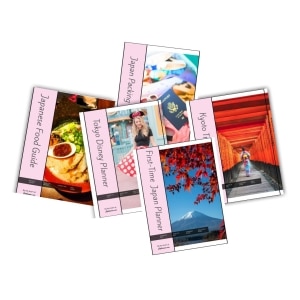
Our Japan trip planners can help. You might like our First-Timers Japan Planner, which will help you plan your trip to Tokyo, Kyoto and Osaka step-by-step, including tips on everything from picking hotels to sightseeing and dining. Or our super-duper Tokyo Disney Planner makes arranging your park trip MUCH easier. Find them in our Planners store – printable and digital versions are available.
6. DT Suzuki Museum
Daisetsu Teitaro Suzuki is the man credited with bringing the understanding of Zen Buddhism to the West.
This museum explains his philosophies. It’s not for everyone; there are many pamphlets to read, and one of the main draws seems to be that you can take books into quiet spaces around the museum to further your learning. There are also many spaces to sit and relax with your thoughts.
Yes, I know it doesn’t sound like thrilling holiday entertainment, but then I went outside to the area with the small pond, and this is worth the entrance fee alone if you want a few minutes of calm on your trip.

There’s something in the pond that creates ripples. One minute, it’s still, and then there’s a ‘blurp’ and a bubble, and ripples start spreading across the pond from that bubble. It’s a lovely place to sit and stop all the stress and busy-ness that can be involved with a trip to Japan and get back to the quiet, calm, spiritual place that it actually is.
The DT Suzuki Museum is open six days a week from 9.30 to 5pm. It’s closed on a Monday, except for public holidays. It costs 310 yen for adults, children are free.
7. Eat the Freshest Fish in Omicho Market
The main stop for foodies in Kanazawa is the Omicho Market area. I booked my hotel (the Hotel Forza Kanazawa) right beside this so I could munch three meals a day of fresh sushi if I wanted to.
I didn’t quite manage that, but it was the first place I visited when I arrived. The market wasn’t quite the thriving fish market that I was expecting; it’s more of an eating place than a shopping one, but if you do go there to eat, you’re spoilt for choice.

My first stop was もりもり寿し (Mori Mori Sushi Omicho), which is located at the back of the market (88 Aokusamachi). I had this fantastic chef’s choice platter for just 2000 yen. I sat at the counter, but if I’d sat inside by the conveyer area, my orders would have arrived via a tiny shinkansen, which always makes me happy.
If you want to save some cash, there’s take-away sushi in the middle of the market, and you can also eat it standing at the tables in this area.
If you can break away from eating all the sushi the market can offer, I also tried one of my most memorable meals in Kanazawa.
This was at a restaurant close to my hotel called Aburaya (no website, it’s marked on Google Maps). It serves one dish: brothless ramen, also called Aburaya, which you mix with the spicy oil at the bottom. It was so good.
I loved the little local areas around the Hotel Forza Kanazawa for easy dining; I also wanted to try Ramen Mikoshi but couldn’t fit it in.
Related Read: Hotel Forza is our top hotel to stay in, in Kanazawa. Find out what, and see what other areas and hotels we recommend in our guide on where to stay in Kanazawa.
8. Explore Kenrouken
Named as one of the three most beautiful gardens in Japan, Kenrouken measures over 11 hectares and has been in the city since feudal times.
I admit I was underwhelmed. I went there in the afternoon on my second day. I was tired, it was busy, and I really hadn’t appreciated the scale of the place.

The famous Kotojitoro lantern, probably the park’s most famous view, had a queue (if you look carefully you’ll see a toe creeping onto the bridge into the picture above as I snapped it in a second between groups of people posing!) Humans were everywhere, and frankly, I just wanted out of there.
My experience at Korakuen (one of the other most beautiful gardens, but located in Okayama) a few days later was very different, as the crowds were far smaller. So, my best advice is to get here early in the day before the crowds build up if you want to enjoy the peace of the garden rather than just the Instagram elements. And take a look at the park map on the website so you know where you want to see rather than aimlessly wandering.
It opens from 7 a.m. to 6 p.m. seven days a week in Summer and from 8 a.m. to 5 p.m. from mid-October to February.
The entrance costs 320 yen for adults or 100 yen for children. Or for 500 yen you can buy a ‘Plus One’ ticket. This isn’t explained very well in English, but it also gives you access to one of six other nearby properties – the Kananzawa Castle Park, Ishikawa Modern Literature Museum, Ishikawa Prefectural Museum of Art, Ishikawa Prefectural Museum of History, the Kaga Honda Museum or the Ishikawa Living Crafts Museum. So, if any of those are on your list, you might want to buy the Plus One ticket at the first one you visit.
If you’re looking for a quieter garden, one of my Facebook members suggested Gyokusenin Nishida Family Garden as a beautiful but less-touristed option. The grounds also contain a kimono museum.
Save Money with Klook & Japlanease
If you plan on buying tickets or tours from Klook for when you’re in Japan, you could save up to 10 per cent by using the code JAPLANEASEKLOOK at the checkout. Click here to see what’s on offer.
T&Cs apply. Some items, including Tokyo Disney and USJ tickets, are not available for discounts.
9. Temple Hop
The Ninja Temple isn’t the only interesting temple or shrine in Kanazawa.
As you wander around the main areas, make sure you stop into the other smaller shrines, as you never know what you might find.

Some of my favourites were the Oyama Shrine with its interesting entranceway and pretty garden. Kourin ji, has a display of beautiful Noh masks and a wishing trail in the garden involving the statues of the different signs of the lunar zodiac.
Just around the corner from here, you’ll discover Gyokuryuji, which has giant cartoon characters outside, and a Gundam head greets you as you walk into the main gate – and don’t miss Utasu in Higashi Chaya – it has figures of ninjas dotted in the garden for you to find!
Get more details and exact locations on all of these in our guide to the Best Temples and Shrines in Kanazawa.
10. Day trip to Shirakawago
Okay, so it’s not in Kanazawa itself, but this village of famous pointy houses is just a 90-minute bus ride away and so, if you have to time to take a day trip, you might want to head across.

If you’re planning on catching the bus, make sure you book in advance as they do get booked out, particularly the first services of the morning, which are often used by people stopping off at Shirakawago before moving on to Takayama.
For more tips, take look at this post on all the things I wished I’d known before I visited Shirakawago.
Related Read: How to Visit Nagano, Takayama, Shirakawa-go and Kanazawa in Five Days
So, those are the top 10 main sights to see in Kanazawa, but, as you’ll discover if you do decide to visit this very pretty city, there are smaller sights on every corner and a lot of crafts workshops to try, as Kanazawa is known as a city of artisans. Expect to see a lot more than this top 10.
Who Writes This Blog?
My name is Helen Foster, and I’m a journalist and author. My travel articles have appeared in publications including The Australian, Escape, RAC Horizons, Jetstar Magazine, Sainsbury’s Magazine, and more.
I’ve traveled to Japan eight times before – solo and with my partner and visited over 25 towns and cities. My last visit was November 2024 so, everything here is pretty up to date.

