
- How to Watch the Oiran Parade at Edo Wonderland, Nikko - 15 October 2026
- 8 Mistakes Not to Make in Autumn Leaf Season in Japan - 10 October 2026
- How to Spend One Day in Nara - 29 September 2026
Nishi Chaya is one of Kanazawa’s four main sightseeing areas. An old geisha district, it’s lined with old wooden teahouses. Inside these, you’ll find new cafes and museums full of fun and interesting artifacts. Here are eight things not to miss when you’re wandering around Nishi Chaya and nearby.

Article by Helen Foster. Disclosure: Some links in this post are affiliate links. See our Affiliate Disclosure.
Nishi Chaya isn’t the biggest area—the official old geisha district is basically one small road lined with old buildings and pretty red lamps. If you don’t want to visit the nearby shrines or museums, you can probably skip it on your trip. But if you’re going to the Ninja Temple, which you really shouldn’t miss, it’s only a 5-minute walk between the two, so you might as well take a wander.
And here are some of the things to look out for when you do…
1. The Ninja Temple
Okay, so I’m starting with a bit of a lie here – the Ninja Temple (Myouryuji) is a little outside of the official Nishi Chaya area. Still, the two are so easy to combine in a morning visit, I’m lumping them together.
If you’ve already read a couple of the Kanazawa posts on this site (like our guide to the top 10 things to do in Kanazawa), you might already know that this was the absolute best thing I did on my visit. I loved it.
I wasn’t expecting to – I nearly didn’t go, but it blew me away.

In a nutshell, this is no ordinary temple. Fearful of attack, the lord of the area created hidden rooms, concealed tunnels and even built an entire floor that can’t be spotted from outside – and you learn all about them on the temple tour. This needs booking in advance, but this can be as simple as buzzing the intercom on-site and booking the next available slot.
You can read more about it in our longer review so you know what some of the potential complaints about the tour are, but I found it fascinating and well worth the time.
Myouryoji is open seven days a week, 9 am to 4 pm (a little later on Monday). It costs 1200 yen for adults and 800 yen for children. Preschool children can’t go in. Ask your hotel to call and make a reservation for you, or, arrive early and they’ll direct you to the intercom on the wall that will fit you into the next tour with space.
2. The Gundam Temple
There are a few temples around the Ninja Temple that are worth a detour including Sanko-ji and Kourinji – see more about these our guide to Kanazawa’s most interesting shrines and temples – but, this nearby temple gets a special mention because it’s totally unique.
Plus, I actually spent about an hour trying to work out where it was after I saw a picture of it – and that level of investigation requires rewarding!

Its official name is Gyokuryuji, and the thing that makes it special is the models and statues of random cartoon characters you find inside the ground. There’s a stone statue outside of Anpanman, a Gundam head greets you at the entrance, and even a tiny Godzilla inside!
I don’t know exactly why, but there is a school next to the temple, which might be related to that.
Whatever the reason, it’s a fun place to spend 15 minutes – especially if you have to wait for your slot at the Ninja Temple.
3. Keep Your Eyes Peeled
As you walk toward Nishi Chaya, you might walk past a turquoise blue house on the right just before you turn into the main road through Nishi Chaya (it’s marked on Google Maps with a purple ‘point of interest’ sign)
This is a geisha practise house for music, so you never know who you might spot nearby. Remember, if you do see a geisha (or geiko as they are known in Kanazawa) – or maiko (as the trainee geiko are known), don’t approach them, don’t photograph them, just admire how pretty they look.
As mentioned in our guide to Higashi Chaya, 40 geiko are still working in Kanazawa. On selected Fridays, you can attend performances by them in a teahouse in Nishi Chaya. See here for more details and bookings.
4. Kanazawa Nishi Chaya Museum
You’re now arriving in Nishi Chaya proper, and this is the first sight on the main road.
This free museum is located on the site of Yoshiyonero, the home of the writer Shimada Seijiro, who lived here with his grandfather.
He had quite the story. He wrote the very popular novel in three parts, Chijo, about a boy who develops a sense of political awareness after his mother takes a job in a geisha house in Kanazawa.

Once published, he was hailed as a genius, but being only 20 years old at the time, he let fame go to his head. Embroiled in scandal after having an affair, he ended up losing his sanity. He was institutionalised until he died at just 31.
You’ll find information about him and some of his family belongings on the lower floor.
Upstairs has been recreated to look like an old teahouse to show you how the geisha performed in this area.
It won’t take you long to walk around, but it’s a nice introduction to the district as it used to be.
The museum is free and open from 9.30 am to 5 pm.
5. The Dolls Museum
Toward the end of the small Nisha Chaya main road is this fun museum packed with all sorts of dolls.
From a room full of tiny Russian dolls to a display of traditional hinamatsuri dolls (if you don’t know what that is, check out our Hinamatsuri guide here) and a fantastic display of Kokeshi dolls.

Kokeshi dolls are traditional wooden dolls with no arms or legs. Originally, each region had a different design on the dolls—11 different ones in total—but today, doll creators can add any design they like.
The variation of designs on the ones in the Doll Museum display is quite something.
It’s pretty small, but there are many rooms, and each room has a lot of detail. You can also book an experience that allows you to colour your own kosheki doll. See more pictures in our guide to the Kanazawa Doll Museum (coming soon).
The Dolls Museum is open six days a week from 10 am to 5 pm (closed on Wednesday). The entrance fee is 500 yen at the time of writing.
Some of the reviews say they were given a tour of the museum and a chance to dress in a kimono, but I didn’t get offered that when I visited. However, I still really enjoyed my time here. If you’re keen on a tour, though, ask when you arrive.
Need Extra Planning Help?
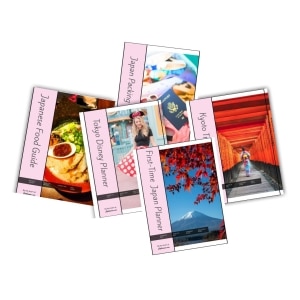
Our Japan trip planners can help. You might like our First-Timers Japan Planner, which will help you plan your trip to Tokyo, Kyoto and Osaka step-by-step, including tips on everything from picking hotels to sightseeing and dining. Or our super-duper Tokyo Disney Planner makes arranging your park trip MUCH easier. Find them in our Planners store – printable and digital versions are available.
6. Grab Some Lunch
There are a few places to eat in Nishi Chaya, which might appeal to you if you’ve been wandering around for a while.
I liked the Yusura Chaya Cafe’s description of the Geisha’s favourite pork cutlet sandwiches. They also serve a selection of desserts sprinkled with gold leaf.

Or, a little further down the road, Nishi No En offers soba noodles in a very traditional setting (you may be expected to sit on the floor).
7. The Ninja Weapon’s Museum
Okay, I have to admit, I didn’t go inside—the entrance fee is 800 yen, and I decided I’d spent enough on museum entry so far that day – I was heading to Kanazawa’s Samurai area next to rack up some more. But if you are interested in the ninjas of Kanazawa, you can find out how they fought off their enemies here.

You can also throw some Shuirken – ninja stars – (it’s an extra fee) which is fun – although, having tried this elsewhere, I would not have passed the Ninja initiation!
The Ninja Weapon’s Museum is open seven days a week from 10 am to 5 pm.
8. Tsuda Mizuhiki
Mizuhiki is a traditional Japanese craft that involves tying paper cords into ornate shapes using particular knots, like these ones here.

At Tsuda Mizuhiki, they have turned this into an art form, creating jewellery, ornaments, keychains, and more.
It’s the perfect place to pick up some souvenirs as you leave Nisha Chaya.
They also offer a Mizuhiki experience where you can make your own designs, but I’m not sure how much English is spoken, so contact them before booking.
If you can’t get booked in at Tsuda Mizuhiki, you can also make Mizuhiki crafts with Mizuhiki Accessory Workshop close to Omicho Market – if you’re staying at the Hotel Forza Kanazawa (which I do recommend), it’s practically next door!
See more about the Mizuhiki Workshop and make bookings here.
So, that’s my guide to Nishi Chaya, one of the main sightseeing areas in Kanazawa. If you haven’t already done so, click on the guides to Higashi Chaya and the Nagamachi Samurai District to discover what not to miss there as well. And if the idea of making crafts in Kanazawa appeals, but knots aren’t quite your thing, have a look at our guide to Kanazawa’s best hands-on experiences.
Who Writes This Blog?
My name is Helen Foster, and I’m a journalist and author. My travel articles have appeared in publications including The Australian, Escape, RAC Horizons, Jetstar Magazine, Sainsbury’s Magazine, and more.
I’ve travelled to Japan nine times before – solo and with my partner and visited over 50 towns and cities. My last visit was in April 2026, so everything here is pretty up to date.

