
- Hakone’s Venetian Glass Museum – The Biggest Surprise in Town - 19 March 2026
- How to Fill in Your Visit Japan Web Arrival Documents for Japan - 18 March 2026
- The Beginners Guide to Getting on the Shinkansen - 16 March 2026
If you’re taking a day trip to Hakone or staying there for a few days of relaxation as part of your Japan trip, you might wonder if you need the Hakone Free Pass transport ticket to get around the region. The simple answer is yes, probably, but read on to find out why.
First, let’s clarify: the Hakone Free Pass is sadly not actually free. What it does is free you up to travel on eight different types of transport in Hakone for one handy fee.
You can use (deep breath) buses, trains, the cable car, ropeways and even a pirate ship. The Hakone Pass includes almost all of these, and it will take you anywhere around the central area you wish to go.

Article by Helen Foster. Disclosure: Some links in this post are affiliate links. See our Affiliate Disclosure.
But while it makes traveling easier, you might wonder whether it’s actually cheaper to use the pass. Would you get a better deal buying your tickets separately? Let us explain.
The Different Types of Passes
The pass comes as a 2-day pass or a 3-day pass.
If you are traveling from central Tokyo, the pass includes the round-trip train fare on the standard train from Shinjuku to Odawara in addition to the local transport in Hakone.
If you are arriving in Hakone from elsewhere in Japan via the bullet train, you can also buy a slightly cheaper pass that starts in Odawara. The prices for each combination are below.
| Start Point | Number of Days | Cost |
| Shinjuku | 2 | 6100 yen adults, 1100 yen children |
| Shinjuku | 3 | 6500 yen adults, 1350 yen children |
| Odawara | 2 | 5000 yen adults, 1000 yen children |
| Odawara | 3 | 5400 yen adults, 1250 yen children |
Important: The Romancecar Isn’t Included
If you are coming from Shinjuku, there is an important exclusion to note about the pass,
It doesn’t allow you to travel on the Romancecar without an extra charge.
The Romancecar is a Limited Express train that runs regularly throughout the day between Shinjuku and Hakone Yumoto Station (the gateway to Hakone).
It gets to Hakone slightly faster than the standard service, taking 80 minutes rather than the 120 minutes on the regular train. It also goes directly to Hakone Yumoto, while the regular train requires you to change in Odawara.

But, as they say, you pay for convenience, and the Romancecar has reserved seating, which has a surcharge. So, if you want to use it while using the Hakone Free Pass, you also have to pay for this seat, which costs an extra 1200 yen for adults and 600 yen for children. It’s a good idea to book this in advance as the train does sell out.
If you don’t want to pay the surcharge, you can also get on the regular Odakyu Odawara Line service from Shinjuku to Odawara and then change onto the Hakone Tozan Line. It will take longer, but it’s free on your pass.
Using the app Navitime and selecting the Hakone Free Pass under the transit pass option will help you determine which trains you can—or can’t—use.
Getting Around Hakone
The Hakone Tozen train line will take you to many sightseeing spots in Hakone, but there are also nine bus routes that will take you all over Hakone – and the Hakone Free Pass includes them all within the Hakone Area.

I admit that when I was researching my trip, I had no idea how any of the transport worked or what was included, as the diagram on the Hakone Free Pass website wasn’t hugely clear—but the pamphlet and map that come with the Hakone Free Pass make everything much more obvious.
If you’re getting confused, there’s a full copy of it here, that you can look at in advance, and it explains what transport goes where.
Is the Pass Worth It?
If you are doing the most popular tourist activity in Hakone, The Loop, which sees you going from Hakone Yumuto Station, via the cute switchback railway to Gora, then floating across the volcanic area up high on the ropeway, before changing to the Pirate Ship across the lake to the Hakone Shrine area, then Hakone Free Pass will not only pay for itself but it will also save you endless time queuing to buy tickets for each of the different tours of transport on the Loop.
This alone makes it worth its weight in gold, as the crowds on the Loop can be ridiculous (see our guide on beating the crowds here).

If you plan on doing The Loop as part of your visit, stop reading now and book the pass. It will be worth it.
If you’re unsure if you’re doing The Loop or might want to do just the Pirate ship or the Ropeway but not both and want an idea of how the costs stack up, here are the prices.
Traveling From Shinjuku
Shinjuku to Hakone Yumuto return (basic train price) – 2540 yen
Hakone Yumuto to Gora on the Hakone Tozen Line – 460 yen
Gora to Sounzan on the Cable Car – 430 yen
Sounzan to Owakudini on the Ropeway – 1500 yen
Owakudini to Togendai on the Ropeway – 1500 yen
Togendai to Motohakone on the Pirate Boat – 1200 yen
Bus from Motohakone to Hakone Yamato – 1080 yen
TOTAL COST: 7430 yen. So, if you come from/to Shinjuku and do The Loop, you’ve already saved 1330 yen on a two day pass.
From Odawara
Odawara to Gora – single – 770 yen
Gora to Sounzan on the Cable Car – 430 yen
Sounzan to Owakudini on the Ropeway – 1500 yen
Owakudini to Togendai on the Ropeway – 1500 yen
Togendai to Motohakone on the Pirate Boat – 1200 yen
TOTAL COST: 5400 yen. Just doing The Loop more than pays for the ticket; getting back to your hotel or a station to head back into Tokyo or onto the bullet train elsewhere is the icing on the cake.
What If You’re Not Doing the Loop?
It depends on what you do plan to do in Hakone as to whether it’s worth buying the pass. If you’re going hiking and using barely any public transport or staying in a ryokan to enjoy good food and a relaxing day in the onsen and only getting on transport to and from your hotel, it’s not be worth it for you.
However, it might be worth it if you’re going to be sightseeing around Hakone, especially if you’re there for two or three days.

If you’re coming in from Shinjuku and going back again within two days, you would need to spend 3630 yen on other transport or attractions around Hakone to make the pass pay.
That’s roughly 8-9 short bus or train journeys around the area over two days. It will be worth it if you decide to take the ropeway to the volcanic area (even if you don’t do the rest of the loop) and two other bus journeys. Or if you’re going to the Mishima Skywalk from Hakone, the return fare for this from Gora is 3280 yen, so it’s likely worth it.
If you’re coming in from Odawara, you need to spend 5000 yen to pay for the pass. This is going to be a bit harder as it means at least 11 short bus or train journeys around Hakone over two days. Or, if you’re using the ropeway, that will come down to five trips. Go to Mishima Skywalk, and you’ll only need to make three extra trips.
But before you think that’s unlikely and discount the pass … you can also get discounts on entrance tickets that might increase your savings.
Need Extra Planning Help?
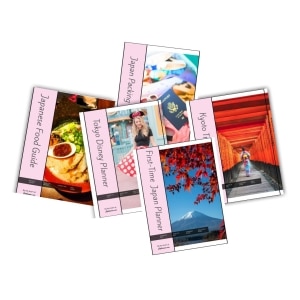
Our Japan trip planners can help. You might like our First-Timers Japan Planner, which will help you plan your trip to Tokyo, Kyoto and Osaka step-by-step, including tips on everything from picking hotels to sightseeing and dining. Or our super-duper Tokyo Disney Planner makes arranging your park trip MUCH easier. Find them in our Planners store – printable and digital versions are available.
Hakone Free Pass Discounts
The Hakone Free Pass offers discounts at about 70 different attractions, shops and restaurants in Hakone. These can also add up to make the pass more worthwhile.
For example, three of our Top 10 Sights in Hakone offer discounts through the pass, including the Hakone Open Air Museum, where you can save 100 yen, the Hakone Gora Park, which offers free admission to pass holders, saving 550 yen, and the Venetian Glass Museum, which offers a 100 yen discount.

If you have time to go a little further afield, not only can your fare to the Mishima Skywalk be covered on the pass using local buses, but you also get a 100 yen discount. Add this to the Loop, and you’ll definitely come out ahead.
You can also save money at the Pola Museum of Art, Hakone Museum of Art, the Komagatake Ropeway and a number of the onsens that allow day guests. Show your pass when you arrive to find out exactly what discount is offered. You’ll find a full list of facilities offering discounts here.
My Experience Using the Pass
I didn’t buy my pass in advance because I wasn’t sure I wanted to do The Loop when I was organising my trip. Once I did, though, I was delighted I had it.
I jumped on and off buses and trains at different stops, not worrying about the cost. At one point, I actually headed back to do the ropeway for a second time, as it looked like the sun had come out, and I hadn’t managed to get a view of Mount Fuji on my earlier trip.

Admittedly, I got distracted by the Venetian Glass Museum instead and hopped off the bus, but it was nice to have the option. If seeing Mount Fuji is one of your goals, I think the flexibility to use the Ropeway or Pirate Ship more than once if you can’t see the mountain on your first visit is a definite bonus for the pass.
I also stayed a little bit out of the centre of Hakone at the Mount View Hakone, as this was a little bit cheaper than the hotels in areas like Gora. Having the pass made this even more of a bargain, as my extra transport to and from the hotel each day was already covered.
I would guess I spent at least 7000 yen on transport using the pass. Plus, I saved 750 yen in entrance fees.
If you want to take in the Mishima Skywalk and the Loop, you’ll definitely make the pass pay for itself.
You can book the pass in advance from Klook here.
Save Money with Klook & Japlanease
If you plan on buying tickets or tours from Klook for when you’re in Japan, you could save up to 10 per cent by using the code JAPLANEASEKLOOK at the checkout. Click here to see what’s on offer.
T&Cs apply. Some items, including Tokyo Disney and USJ tickets, are not available for discounts.
Questions, Questions
So, that’s the basics, and you might already have decided that the pass is worth it. But if you have some extra questions, let’s cover those here.
What If You’re Only in Hakone For the Day?
The pass lasts two days, but that doesn’t mean it’s a waste of money if you’re a day-tripper.
If you’re doing the Loop, the pass will always pay for itself; it doesn’t matter that you don’t use the second day.
Can You Get to Mount Fuji on the Pass?
If you’re heading to Mount Fuji after Hakone, you might be wondering this. The answer is not all the way, but you can use the pass to get to Gotemba Station via the Odakyu Highway Bus.
You then change to the local bus to reach the Fuji-san area, but you’ll need to pay for this section.
Note: If the Highway Bus is full, passengers who have bought full-price tickets will get priority. The day I went, four people were on the bus, but that was a weekday morning during a quiet part of May. It might be fuller when the bus returns to Shinjuku at the end of the day.

Should You Buy The Pass in Advance?
It’s not a bad idea if you’re coming from Shinjuku. If you’re planning on taking the Romancecar, you will have to book extra seats ahead of time, so you might as well do both.
The downside of buying far in advance is if you want to see Mount Fuji from Hakone. This won’t happen if it’s cloudy (one reason why it’s a good idea to stay in Hakone rather than just come in for the day), and if you’re committed to a specific date rather than waiting to see what the weather is doing, you could miss out.
Should You Book a Digital Pass or Paper Ticket?
You can buy the pass as a digital pass that you use via your smartphone or a paper ticket, so which is better?
The digital pass will save you time queuing. As I learned the hard way, arriving in Hakone via the bullet train at Odawara can be a sea of queues, frustrations, and delays. Using the digital pass will at least eliminate one of the queues.
If you are considering buying the digital version, note that every person using it must have it installed on their own phone and have an online connection—you can’t use a screenshot.
If you are travelling with people (including children) who don’t have smartphones or if some people don’t have access to Wi-Fi outside of the hotel, they can’t use the digital pass.

One person can buy all the passes, but then you’ll need to follow the steps to share the pass to the other people’s phones so everyone has it on a separate device.
Also, make sure you read the important note about breaking your journey between Odawara Station and Hakone Yumuto. Do not tap your pass if you need to get out because your hotel is located here. It will disable it.
What Happens if Transport Is Suspended?
High winds or bad weather might stop the Ropeway or Pirate Ship from running. In this case, a big chunk of the pass will no longer pay for itself, and you might feel ripped off as well as disappointed.
The good news is, if the Ropeway, or other transport available on the pass, is officially closed, you can get a portion of your pass refunded. This is the case whether you bought it directly or via Klook.
However, you will only be refunded if the transport is officially closed. If, for example, you decide the queue for the Pirate ship is too long and skip it or decide not to ride the Ropeway while either is running, no refund will be issued.
If things are closed, it’s likely that buses can still get you around Hakone, including up to the viewing point of the volcanic area at Owakudani, so don’t give up on your plans entirely – just check the pass map for alternative routes.
The Other Passes in Hakone
The Hakone Free Pass is the most popular transport and discount ticket for tourists in Hakone, but it’s not the only one. Here’s what else is available…
The Fuji Hakone Pass
This three-day pass might be good if you’re also going to explore the Mount Fuji area.
The Fuji Hakone Pass includes everything on the Hakone Pass and transport to and around the Mount Fuji area, including the Red and Green buses that take you to many of the popular sightseeing spots and trains to famous sights like the Churieto Pagoda.
It costs 10,100 yen for an adult pass for three days, children’s passes cost 3100 yen. See the full information pamphlet with maps here.
For the pass to pay over and above the cost of buying the Hakone Pass and single tickets, you need to spend 4000 yen on transport in and around Mount Fuji, so make sure you do the math to see if you will be doing so.
Also note that it only includes transfers between Shinjuku and Odawara, so you’ll either need to pay to return from the Mount Fuji area or, go back to Odawara, which is time-consuming.
Hakone Freepass Hako Ticket
Includes everything in the Hakone Free Pass but also offers unlimited free entry to many of Hakone’s onsens and other attractions as many times as you like.
It costs 6000 yen more than the Hakone Free Pass for adults, so, to make it pay, you must visit at least 6000 yen’s worth of attractions in two days, or 8000 yen’s worth over 3 days – that might be hard to achieve and to do the Loop so again, work out your plans in advance.
Find the list of participating venues here.
Hakone Kamakura Pass
If you’re also planning a trip to Kamakura during your visit and can combine it with your Hakone visit across three consecutive days, this pass could be excellent value.
It gives you unlimited use of the Odayku Line trains, plus all the transport on the Hakone Pass and the Enoden lines around Kamakura and Enoshima.
It lasts three days and costs 7250 yen for adults,1480 yen for children. See the full information pamplet with all the maps here.
Hopefully, that explains the Hakone Free Pass and helps you decide if it’s worth it. Enjoy Hakone.

