
- How to Spend One Day in Nara - 29 September 2026
- 12 Things That Seem Easy – Until You Try Them in Japan - 23 September 2026
- Is it Worth Paying Extra at Tofuku-Ji? - 16 September 2026
If you only have one day in Takayama, how should you spend it to ensure you cover all the must-see sights? Our plan will give you some ideas.
This plan starts at Takayama Station as, if you’re coming into town on your own steam, that’s likely where you’ll arrive. If you’re coming in by bus from Matsumoto or Kanazawa, the bus station is next to the station, so the plan will be the same. If you’re already staying in Takayama, just make your way to the first stop from your hotel.

Article by Helen Foster. Disclosure: Some links in this post are affiliate links. See our Affiliate Disclosure.
The earlier you start the day, the better. If you’re not staying in Takayama, I’d suggest trying to arrive by 10am at the latest (earlier if you want to see the morning markets). If you’re staying in Takayama, be out of your hotel by about 8 am and head toward the station to start the tour.
If you’re running late, it’s easy to reverse the plan and start at the Takayama Old Town, as that will be the main draw for most people. This would mean not having to rush this area before the shops close—although, as you’ll see when you get to that part, there is a benefit of being here once they do.
The times between destinations are at an average walking pace with no stops for exploring – but chances are you’ll do a little exploring!
1. Kokubun-Ji
Needs: About 15-20 minutes
Your first stop is this small temple northeast of the station. It will take about ten minutes to walk here. It might not be the grandest temple you’ll see in Japan, but we’re including it because it’s dedicated to a very local Takayama icon. Before we get to that, though, there are a couple of other reasons to visit.
The main hall of Kokubun ji is thought to be the oldest in Takayama. On the grounds, there is also a 1200-year-old ginkgo tree and a very pretty pagoda. Take your time visiting these, then turn your attention to this stone statue on the southern side of the shrine.

This is the stone version of a doll called a Sarubobo. This little red doll is Takayama’s unofficial mascot.
Apparently, if you touch the part of its body related to your wish, it will come true—so, if you want luck in love, touch his heart, and for luck in sport, touch his leg etc.
Once you’ve made your wishes, leave the temple on the south side near the statue and turn left to walk down Kokubunji Dori toward the river.
Want to know more about Sarubobo? Read our longer post on these iconic dolls to find out why they look this way and how to buy the right coloured one to grant your wishes.
2. Kaji Bashi Bridge
Take this bridge to get you over Takayama’s Miyagawa River.
Keep your eyes peeled when you cross the bridges in Takayama. Many of them are very pretty, with scenic views behind them, and they can also be home to some interesting sculptures.

On Kaji Bashi Bridge, you’ll find two – one of a figure with long arms and one of a figure with long legs. These are Tenagazo (long arms) and Ashinagazo (long legs). They are Japanese yokai (monsters) and these two worked as a pair. The legend goes that Tenagazo sits on Ashinagazo’s shoulders, and they then wade into rivers and grab fish, boats, or people from the water.
It’s also said that you’ll only see them if it’s going to rain – and sure enough, look at the grey sky behind him in that picture!
3. Miyagawa Morning Markets
Needs: 20-30 minutes if you’re not a big shopper, an hour if you are. It will take you about 10 minutes to walk here from the Kokubun ji.

If you start this walk early in the day, you can make a short stop at the Miyagawa Morning Markets.
This market is open from 8 am to 12 pm every day, but if you arrive later than 10 o’clock, many of the stalls along the riverside will have shut and gone home. I learned this the hard way. I arrived about 10.30 am because I’d got distracted by something en route and I was decidedly underwhelmed – and I normally love markets.
If you do arrive late, it’s not all lost. The other side of the market road is lined with less transient shops and food stalls, so there are still things to look at, but you can also shop later today in the Old Town.
READ MORE: How long should you stay in Takayama?
4. Sakurayama Hachimangu Shrine Complex
Needs: 60-90 minutes for the shrine and museums. It will take about 10 minutes to walk here from the market, or if you come straight here from Kokubun-ji, it will take about 15 minutes.
This is what distracted me.

I saw the enormous stone torii gate at the shrine’s main entrance and went to take a picture of it. The road leading away from this looked interesting, so I wandered up there. I then ended up in the large shrine complex that is the most important Shinto shrine in Takayama. By this point, the market had left my head entirely!
And I hadn’t even found the main draw here yet. While the shrine buildings are interesting, the area is also home to two fantastic museums – and they make up stops 5 and 6 on your tour.
5. Takayama Matsuri Yatai Kaikan
This museum holds four of the twelve floats that take part in Takayama’s twice-yearly matsuri parade.
It’s classed as one of the prettiest matsuri in Japan, and if you’re not here during it, it’s great to see the ornate floats up close – especially with the aid of the English audio guide, which helps you understand just how much effort it takes to make the floats and propel them around the city on the day.
The museum is open from 9 am to 5 pm every day of the week.

6. Sakurayama Nikkokan
This museum is included alongside your Yatai Museum entry. The ticket does not provide much information about what you’ll find inside, so I was delighted when I walked in to find 28 scale models packed with ornate detail.
The models are all the buildings in Nikko’s famous Toshogu Shrine—but in miniature. It’s an absolute delight and not to be missed.

It seems a bit strange to find this in Takayama rather than in Nikko, but apparently, the owners asked for them to be displayed here permanently.
This museum is open from 9 am to 4.30 pm every day of the week.
7. Showa Kan Museum
Needs: 40-60 minutes. It will take a little under 10 minutes to walk here from Sakurayama Nikkokan.
Head south from the shrine complex toward this museum on the way to the Takayama old town.
Japan’s Showa era lasted from 1926 to 1989, and this museum is like a tiny step back into childhood for many Japanese people—and maybe you, depending on your age and interests.

You’ll find pretty indoor streetscapes, old Japanese toys with Godzilla and Astroboy plenty, and hundreds of old gadgets like tape players and video games. You can even sing along to a 1970s karaoke machine.
The museum is open from 9 am to 5 pm seven days a week.
Once you’ve relived the recent past, it’s time to go further back in time.
Head south from the museum toward the Takayama Old Streetscape.
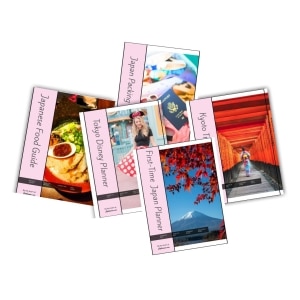
Need Extra Planning Help?
Our Japan trip planners can help. You might like our First-Timers Japan Planner, which will help you plan your trip to Tokyo, Kyoto and Osaka step-by-step, including tips on everything from picking hotels to sightseeing and dining. Or our super-duper Tokyo Disney Planner makes arranging your park trip MUCH easier. Find them in our Planners store – printable and digital versions are available.
8. Takayama Old Streetscape
Needs; 1-3 hours. Make sure you’re here by 3pm to allow a few hours before the shops close. It will take 5 minutes to reach the Old Town area from the Showa Kan Museum.
The Sanmachi Suji area is probably the reason you came to Takayama! These pretty wooden houses have been standing since feudal times. They were mostly residences back then, but now they house shops, cafes, restaurants and sake breweries.

The area itself isn’t huge, just three short up-and-down streets, but if you want to wander into the shops, grab some street food and try a selection of sake at the Funasaka Sake Brewery (or one of the other three in town), you can easily spend a few hours here.
Don’t forget to try some skewers of Hida beef from one of the stalls in this area. Or pick up a Beef Croquette. I got mine from Jugemu as there was no queue, but you’ll find them all over this area.
You’ll also find the famous three pieces of sushi, which include raw Hida beef, in a few places. If you don’t, head to Hida Kotto Ushi to try it. Theirs comes on a rice cracker.

The shops start to close from 5.30 to 6 pm. If you can manage to hang around until this point, you can wander around the area without crowds, and it takes on a totally different look – particularly once the sun starts to set.
This is one reason we saved what you might think of as the best of Takayama until last – seeing it with people and then once everyone has gone home really allows you to experience the best of this area nicknamed ‘Little Kyoto’ in Takayama.
If you must leave Takayama earlier than sunset and are worried about running out of time, you can easily reverse this plan and start in the Old Town Area. It will take you about 15 minutes to walk to this area directly from Takayama Station.
Nakabashi Bridge
As you farewell Takayama, grab a picture of this via this red-railinged bridge that spans the river. After all, have you even been to a city in Japan if you don’t have a picture of a red bridge!

You can now head back to the station and make your way to your next stop, or, if you’re staying the night, head back to your hotel. If you’re hungry, though, you might want to stop off for some dinner on the way.
Related Read: Where to Stay in Takayama
Where to Eat During The Day
You won’t be short of eating opportunities. You can snack from the street stalls around the market or in the Old Town area, and you’ll walk past hundreds of restaurants as you head from A-B.
If you’re staying in Takayama in the evening or hoping to grab dinner before you leave on a later train, note that many restaurants in the old town area close by 6 p.m. You’ll find a better selection in the area marked as Asahi Machi on the map (a restaurant called Kappa is a good map reference), or head toward the station.

As I was staying by the station at the Hotel Wing International, I mostly ate around here. I can recommend Toranoya and Chitose for inexpensive noodle dishes. The one above is Chitose.
And if you feel like taking a break from Japanese food, the enchilada at Evil Tex was very welcome by this point in my trip. This does get very busy, so get there early. I sat outside while I waited for a table, and it took a lot of willpower not to sprint over the road to the Indian restaurant which also smelt amazing. There’s also a very highly rated ramen restaurant next door.
So there you have it—my guide to spending one day in Takayama. If you have longer, you’ll probably want to read our guide to spending two days here, as that adds a few extra of the top 10 things do in Takayama and also incorporates a visit to the fantastic nearby town of Hida Furukawa.
If our articles or Facebook advice have helped make planning your trip easier, you can Buy Me Coffee (or, more likely, some ramen, a Sapporo or an egg sandwich) by making a small donation at our Buy Me a Coffee page.

