
- Where to Stay in Hiroshima - 10 February 2026
- What to Wear in Japan: 15 Common Questions Answered - 9 February 2026
- Should You Tip in Japan? - 6 February 2026
Sometimes, when you sit down in a pub-style bar (aka an izakaya) in Japan, you’ll get served a small dish of nibbles you haven’t ordered. This is an otoshi, and, it’s part of the Japanese seat fee system. Here’s what’s going on…
What Do Some Bars Do This?
It’s most common to find seat fees, or the otoshi system, in smaller izakaya. These may only have a handful of seats so they need to maximise the turnover per patron, and a seat fee helps top up the average spend.
So, why do they give you the snack as part of it? One reason is said to be so that it’s clear they’ve taken your order, but today’s otoshi is often delivered as you sit down, so a more likely reason is that it’s traditional to eat while you drink in Japan, and this just starts the process.

Article by Helen Foster. Disclosure: Some links in this post are affiliate links. See our Affiliate Disclosure.
Otoshi dishes vary depending on the izakaya. You don’t choose them; they’re prepared by the chef or decanted by the bar staff.
I’ve had dishes including red beans (above), crunchy lotus root, edamame and bamboo shoots – plus a few things I couldn’t name if I tried.
You might also find marinated vegetables, pickles, tofu, or even small portions of fish or meat. In the slightly strange (to say the least) Farplane bar in Osaka, they gave us mini bowls of sweets. The seat fee covers these.
What Will Seat Fees Add to Your Bill?
The exact cost varies bar by bar. Around 3-400 yen per person is normal, but in more upmarket bars, it might go up to 1000 yen – sometimes you won’t find out the amount until you get your bill.
Increasingly, though, restaurants in tourist areas that use this system will have a note on the door explaining that they will charge an extra fee, or you’ll see a note on the menu.
If the serving staff speak English, they will clearly tell you that they have a seat fee (or in Osaka, they might tell you that they use tsukidashi, which is how it’s referred to there) so you can decide before you order if you want to stay.

If you don’t see anything but an otoshi turns up, as the one above did in this bar in Sendai, then there will be an extra charge for it on the bill. It doesn’t matter if you eat the dish or not, you’re going to pay for it, so you might as well give it a try! Remember…
It’s Per Person: Each person in your party will be charged the seat fee, regardless of how much you eat or drink.
It’s Not Negotiable: The seat fee is standard practice, so trying to refuse it, hand back the otoshi dish, or just leave it off your payment won’t be an option. Instead, embrace it as part of the cultural experience and a chance to try a new food.
It Replaces Tipping: In Japan, tipping is not customary and can even be considered rude in some situations. The seat fee acts as a built-in charge that covers the cost of service.
Do You Have to Eat It?
No. If you have allergies, are vegetarian, or simply aren’t sure what’s in the dish, and don’t want to risk trying it, it’s okay to leave it – but you will still have to pay for it. Remember, you’re actually paying for your chair; the dish of goodies is just an additional extra.
The Other Charge to Be Aware Of
While izakaya are the most common place to find an extra charge on your bill, just be aware of something on some restaurant menus that confuses tourists.
There is a sales tax of around 10 per cent on food eaten inside premises in Japan. Most places just add this to the price on the menu, but some list it separately, which, if you don’t realise, can make for a surprise when the bill comes.
For example, if you’re eating in the Kamakura ramen chain, you’ll see big bold prices telling you that a bowl of Oishi Ramen is 742 yen – but underneath it is 820Y in smaller type with the words ‘w tax’ following it. That’s the actual price you’re going to pay if you sit in to eat your food.
I once saw a woman getting very angry with the staff in Kamakura when her bill was 10 per cent more than she’d worked it out to be – but, she’d used the big numbers to calculate it not the ones including tax. So, read the menu carefully – if you see two sets of numbers, and the second one is around 10 per cent higher and says w tax, that’s what your meal will actually cost.
Not realising this is one of the 15 mistakes you might make dining in Japan. Head over there next if you want to find out the others.
How to Avoid Seat Fee Charges?
The best way to deal with otoshi is to just to allow a little bit extra for your bill at the end of the night, remember you don’t tip in Japan, so you’ll probably come out about even, or even up depending on the percentage that the seat fee ends up being of your bill – but if you’re keeping to a strict budget, or don’t like the idea of them, here’s how to avoid them – without upsetting your hosts.
You Could Ask
If you’re feeling brave ask ‘Otoshi dai arimasu ka?’. Of course, then you need to translate the answer, but hopefully, if they do, they’ll say yes – which is hai – and you can move on, or ask how much it is ‘ikura desu ka?’ and hope that they have something to show you the price.
Or, you might find that they answer in English making everything much easier.
Try a Standing Bar
One reason Mr Japlanease and I started visiting standing bars was to cut down on seat fees, as we like to bar hop a bit, and all the extras were starting to add up.
As the name suggests, standing bars don’t charge seat fees because you simply don’t sit down. They’re also a great way to get chatting with the locals as, there’s more mingling than when everyone is seated.
See more standing bar etiquette and find some fun bars to try in our longer post on standing bars.

Visit the Pub Chains
Mr Japlanease and I tend to do separate things during the day in Japan and meet about 5 pm to discuss our day over a drink. At this point, we will usually meet in one of the big pub chains like Hub or Ginza Lion.
Partly, this is because it’s a lot easier to type the name into Google Maps than a more traditional Japanese name, but also because they don’t charge seat fees.
We can meet there; the first person gets to sit down, so it doesn’t matter if the other one is a bit late; we have a quick beer and then move on to somewhere more atmospheric else without doubling our bill.
Dine and Drink
Seat fees are found in Japanese pubs and bars; restaurants don’t charge them, so one way to avoid them is to eat more in restaurant-type situations. However, remember that space is also at a premium here, so it’s not done to linger for much longer than it takes you to eat your food in casual restaurants like ramen shops, so don’t expect to stretch out your evening here.
Pick Bigger Izakaya
It doesn’t always work – in some touristy areas like Shinsekai or Dotonbori in Osaka, many places will charge seat fees regardless of size (and sometimes a few other slightly dubious service fees as well), but in other areas, big and busy izakaya, say those with more than 50 seats, or the izakaya chains like Torikizoku don’t charge seat fees – but some might ask that everyone does order a drink and a food item.
It’s not always guaranteed to be the case, but if you do get presented with an otoshi, just accept it with grace and chalk it up to experience.
Need Extra Planning Help?
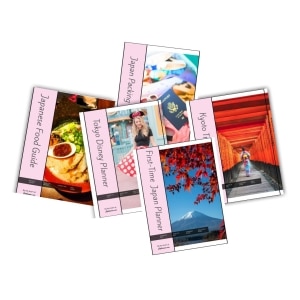
Our Japan trip planners can help. You might like our First-Timers Japan Planner, which will help you plan your trip to Tokyo, Kyoto and Osaka step-by-step, including tips on everything from picking hotels to sightseeing and dining. Or our super-duper Tokyo Disney Planner makes arranging your park trip MUCH easier. Find them in our Planners store – printable and digital versions are available.
So, remember, seat fees at izakayas are more than just an extra charge—they reflect Japan’s unique dining culture. By understanding the concept and appreciating the otoshi dish that comes with it, you’ll have a more enjoyable and authentic experience. Remember, the seat fee helps support the establishment and staff, and it replaces tipping, making your dining experience straightforward and stress-free.
It’s a small price to pay for great food, warm hospitality, and a memorable evening in one of Japan’s most iconic dining settings.

