
- How to Watch the Oiran Parade at Edo Wonderland, Nikko - 15 October 2026
- 8 Mistakes Not to Make in Autumn Leaf Season in Japan - 10 October 2026
- How to Spend One Day in Nara - 29 September 2026
Some of the best memories of my last Japan trip came from standing bars – but what are they, why are they so fun – and what do you need to know if you’re going to visit one? Let me explain…

Mr Japlanease and I are bar hoppers. We like to people-watch and try lots of new places in one night – but that doesn’t always work out so well for us in Japan – and the reason is a little thing called a seat fee.
Many popular izakaya bars in Japan, especially the small ones, will charge you a fee to sit down. It’s not much, usually about 300 yen per person, but if you’re having one drink in a bar, then moving on, it can almost double the price of each bar visit.
After a nasty shock on one of our first trips to Tokyo, when we didn’t realize this, we started looking for standing bars, which usually don’t have a seat fee. We first did this to save some cash – but it was only on this trip that we realized they had another huge bonus too; they tend to be mostly full of locals, which leads to the chance to chat with more Japanese people – and, after a couple of beers (or lemon sours and highballs), everyone becomes your new best friend.
‘Gooyyoo niku no nikomi’ – says Mr Japlanease to the barman. Around us, everyone goes silent for a second; then, they break into spontaneous applause at his (rough) attempt to order a beef stew – the specialty of this standing bar in Ueno. In Sendai, our willingness to try skewers of chicken cartilage and other bits and bobs we normally shy away from got us free drinks from two guys who plan the railroads – and a gift of the bottle of sake they were carrying. In Osaka, a very confused English teacher wonders why his client is suddenly banging on about Adam and the Ants and telling him, ‘It’s my round,’ after we gave a crash course on British culture to a guy working in influencer management.
And it’s not just Japanese people you meet; on a previous trip, we ended up meeting a British couple who would be in Osaka at the same time as us, and that’s how I found my favorite karaoke bar in the whole world (see more about that in our Osaka itinerary).
Not every standing bar is great – one bar in Sendai was charging prices for drinks that deserved a chair, and there was also a stand-up bar in Shibuya, where I kept a closer-than-normal eye on my handbag, but the great thing about standing bars is, you haven’t invested extra cash, so you can move on.
What is a Standing Bar?
You might have worked this out by the name, but a standing bar is a bar without chairs! You stand at a table, barrel, or against the bar to drink your drinks and eat bar snacks (if your feet are too sore to even consider this, then you need to read our article on Japan’s pink foot patches next).
As I said, this usually means you avoid the seat fee – but very occasionally, you will be served an otoshi – which is a small dish of food – with your drink. This will be charged for.
Need Extra Planning Help?
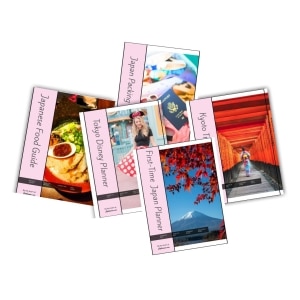
Our Japan trip planners can help. You might like our First-Timers Japan Planner, which will help you plan your trip to Tokyo, Kyoto and Osaka step-by-step, including tips on everything from picking hotels to sightseeing and dining. Or our super-duper Tokyo Disney Planner makes arranging your park trip MUCH easier. Find them in our Planners store – printable and digital versions are available.
9 Things to Know Before Visiting a Stand-Up Bar
So, while I advise trying a standing bar on your next trip (they’re on our list of 21 small things not to miss), they might be a little bit intimidating if it’s your first trip to Japan, so here are the main things I think you need to know to visit a stand-up bar in Japan.
They Are Not a Place for a Full Meal
Instead, you’ll order tapas-sized dishes to nibble on while you drink. But don’t worry, if you’re not hungry, you don’t need to eat in a standing bar – which is another reason we like them. When we go to an izakaya, we always feel like we should order food with our drinks, and again, this means the costs mount up if we’re hopping around.

Bring Cash
When we walked into one bar at Ueno Market, they were initially not hugely welcoming. They asked if we spoke Japanese, and when I said no (I understand a bit, and I can read a fair amount, but I can’t have a full conversation), they looked a bit panicked, and I thought they would turn us away.
Thankfully, another patron told us what they were worried about – they needed us to understand that we had to pay for our drinks as they were served and that they only took cash. A quick ‘daijoubu’ – which means ‘that’s okay’ in Japanese – got us the first round in, and from then on, everything was fine.
Using cards is becoming more common in Japan, but if you’re visiting small stand-up bars, don’t assume they’ll take them and have enough cash to cover your bill.
Try Some Japanese.
I can say good evening, tell them how many people we are, and order beer in Japanese (although more on that in a minute) – and that’s normally enough to break the ice.
If you try to use even bad Japanese, you’ll be amazed at how many good English speakers stand around you (even though the Japanese have a reputation for not speaking English). It’s like once they see you’re not embarrassed to try and speak Japanese, people become less afraid about using English. And, when we got stuck, we all just used Google Translate.

A Few Handy Phrases to Get You Started
Konbanwa – which means good evening
Nama birru o kudasai – I’d like a beer, please. That will get you a draft beer. If you want something else, replace ‘nama birru’ with the drink you’d like.
Arigato gouzaimasu – thank you
Ikura desu ka? – how much is that
‘Kore wa nan desu ka?’ What is that? Handy if someone’s food looks good. You might not understand the answer, but you can ask them to point to the menu.
Expect Confusion if You Order Two Beers.
Japanese has a very complicated system of counting things, so when I ordered two beers, I got a really weird look from our waitress. I thought I’d got my counters wrong – until the waitress used the same phrase to order from the barman.

It took me ages to work out why they questioned my order. Then I realized it was because the beers were large bottles, and two people would typically share one and order another once that was finished rather than have one each. It wasn’t a problem; they just thought I’d ordered the wrong number, hence the quizzical look.
Menus Will Be in Japanese
Stand-up bars tend to aim at locals, not tourists, so don’t always expect to find an English menu – again, Google Translate will help you out, but read it carefully as in a yakitori bar, you might end up ordering some parts of, say, a chicken, that you don’t expect. And if something unexpected does turn up, be brave and give it a try – you might be surprised.
Try a Lemon Sour
After a few trips to standing bars surrounded by Japanese office workers, we realized many didn’t drink beer. They would either have a lemon sour – made from shochu, soda, and lemon – or a Highburo – a Highball, aka whiskey and soda. Give them a try while you’re there. You might also find sake, wine, and spirits in some standing bars.

There Might Be Smoking
It’s getting less common, but some stand-up bars will allow smoking. There will normally be a sign outside that says this (if your nose doesn’t give it away). I’m very sensitive to smoke, but I think there’s something about the ventilation systems in Japan as I’ve never been bothered by it.
See more about Japan’s smoking rules here, some of them might surprise you.
Don’t Overstay Your Welcome
Remember that most standing bars are quite small, so don’t go in there, order one drink, and take up space for two hours. You’ll be very welcome for the evening – if you keep ordering snacks or another drink.
How to Find a Stand-Up Bar
You might just come across them, especially if you’re in Shimbashi in Tokyo, which is stand-up bar central, but if you like to go out with a destination in mind, just type ‘stand-up bar’ in Google Maps, and they will come up. In Japanese, stand-up bars are known as tachinomi, so you could also look for that.
Note, that there is a chain of bars called the Public Stand in Japan, which is not what you’re looking for.
Some specific ones you might want to check out include…
Yasubei, in Asakusa
Located on a small road behind the big Don Quixote in Asakusa, this stand-up bar is a mix of locals watching the horse racing and tourists drawn in by low prices and a noisy buzz.
There’s very little English spoken, but it’s friendly. Try the yakitori.
It’s marked on Google Maps; and there’s a picture below.

Asakusa Stand, Asakusa
Located in Chuo Dori, you can try the famous Asakusa drink Hoppy here. Hoppy is a non-alcoholic beer-flavored drink – but you add it to shochu (Japanese wine), which makes it decidedly not non-alcoholic. Very friendly to tourists.
Takioka, Ueno
This is where Mr Japlanease got his round of applause. As we said, they were a bit wary when we first walked in, and Google reviews have seen tourists turned away, so it might depend on who is working or in the bar as to how welcoming you’ll find them. Remember, some Japanese bar owners will turn away foreigners if they don’t think they can serve them properly.

There are heaps of other bars around here, though, so you won’t go thirsty if you do get turned down. Their famous dish is a beef tendon stew.
Ippuku, Shinjuku
Located on the less frantic south side of Shinjuku, away from Kabukicho, this was the first standing bar we visited in Tokyo a very long time ago, but they still welcome people today. The menu is all in Japanese, but the drinks menu at least has pictures, so you know what you’re ordering.
One thing to note is that they have two prices on the menus, you pay the slightly higher one in brackets which includes 10 percent tax.
Related Read: Not noticing the tax is one of the big mistakes tourists make in Japanese restaurants

They’ve changed the outside of the bar a little since this picture was taken – there are now some seats outside (I’m not sure if they charge a seating fee on those), but the inside is still standing.
SuperJap Bar, Osaka
This is located close to Kuromon Market in Osaka and is run by two social media stars. At first, we went and stood at the outside table, but one of the owners came out to chat with us, and they were very friendly, so we moved inside – and that’s where we ended up having our Adam and the Ants conversation.

You’ll find a few other suggestions for good standing bars on their favorite standing bars in this piece from Time Out Tokyo.
So, that’s our guide to visiting a standing bar in Japan. If you have any more questions, head over to our Facebook group, where you can ask them there.

