
- The Beginners Guide to Soba in Japan - 15 May 2026
- Exploring Jindai-ji – Tokyo’s Step Back in Time - 14 May 2026
- Taking a Trip on Tokyo’s Most Futuristic Boat - 12 May 2026
Soba is one of Japan’s best-loved noodle dishes and something you will see everywhere, from tiny train station restaurants to high-end traditional eateries, but it can be a bit confusing. Our guide will help you tell your kare from your kitsune.

Article by Helen Foster. Disclosure: Some links in this post are affiliate links. See our Affiliate Disclosure.
What Is Soba?
Soba (そば / 蕎麦) is a Japanese noodle made primarily from buckwheat flour.
The percentage of buckwheat used affects the flavour and texture of the noodles. Higher buckwheat content usually means a stronger nutty flavour and a firmer, slightly rougher texture.
It all sounds simple, right? So, why do you need a guide?
Because the whole top line of this menu is types of soba dishes! 12 are hot, 10 are cold.

You see, when you go to order soba, you don’t just get a plate of noodles. It can either be served hot in a broth or cold with a dipping sauce, and it may come with toppings or things on the side – and each variation has its own specific name.
I can read the words above, yet it still means nothing! What’s tororo? What’s mori? If you’re not familiar with the different names and what they mean, you might be a bit surprised when you end up with a bowl of soup while your friend is served chilled noodles with some seaweed on top!
Not understanding the dishes is the number one reason why I don’t naturally gravitate toward soba when I visit Japan, so on my last long trip, I made it a mission to eat more of it and learn more about the menu – and this guide is the result.
Regions of Japan Known for Soba
Soba is often handmade by the restaurant serving it, meaning each chef’s noodles will taste or feel slightly different. There are also regional variations – some areas add seaweed, and you’ll find matcha-infused soba in areas like Uji.
Mountain areas with natural springs often specialise in soba, as very cold, mineral-rich water alters how the starch in the noodles behaves. Nagano, Yamagata, Izumo and Niigata prefectures are among the regions known for their soba.
15 Common Types of Soba in Japan
Here are some of the most common dishes that you might see on a menu in a soba restaurant in Japan.
1. Zaru Soba
ざるそば
Cold soba noodles served on a bamboo tray called a zaru. They are eaten by dipping the noodles into a chilled sauce made of soy sauce, mirin, dashi and maybe a few other things. Zaru soba is usually topped with shredded nori seaweed.

2. Mori Soba
もりそば
Very similar to zaru soba but without the seaweed topping.
3. Kake Soba
かけそば
A simple hot soba dish served in warm broth made of bonito. It’s generally served plain, but, some soba shops might garnish the bowl with sliced spring onions and maybe a fish cake like the one below. You can also add your own seasonings, like chilli powder, from the table.

4. Kitsune Soba
きつねそば
Hot soba topped with sweet, simmered fried tofu (aburaage). “Kitsune” means fox, and the name comes from the idea that fried tofu is the favourite food of the foxes that guard shrines.
5. Tanuki Soba
たぬきそば
Usually, hot soba sprinkled with crunchy tempura batter bits called tenkasu. These soften in the soup and become a similar texture to when you dip bread into soup.
It’s not my favourite of the options as I don’t eat it fast enough and it all kind of dissolves.

6. Tempura Soba
天ぷらそば / てんぷらそば
Soba served with tempura, commonly shrimp tempura or seasonal vegetables, or a mix of both. The tempura may be placed on top or served separately to keep it crisp.
You can have this with cold, zaru soba – where it’s called tenzaru, or on top of a Kake Soba-style broth. If you choose the broth option and the tempura is added to the top, eat the tempura fast, or it will go soggy.
7. Tororo Soba
とろろそば
Soba topped with grated Japanese mountain yam (nagaimo or yamaimo). The yam becomes sticky and slippery when grated giving the dish a unique texture.
I admit this is one dish I have never tried, as I already find the taste of soba quite subtle, and this always sounds like it might tip it over the edge into blandness – one day I will try it and prove myself wrong though!
Watch Out For Gluten
Despite the name, buckwheat is not actually wheat and is naturally gluten-free. However, most soba noodles served in Japan are mixed with regular wheat flour to help bind the dough and improve texture. Watch out for this if you have to avoid gluten for medical reasons.
8. Tsukimi Soba
つきみそば
“Moon-viewing soba” is noodles topped with a raw or lightly cooked egg representing the full moon. Usually served hot.
The sight of this might freak out those of us who grew up thinking eating raw eggs was inadvisable, but eggs in Japan have very high food standards, and it’s quite common to eat them raw. I wouldn’t do it in any other country, but I have eaten raw eggs in Japan. Mixing them into things makes everything creamier.

9. Sansai Soba
さんさいそば
Soba topped with mountain vegetables and wild plants such as bamboo shoots, ferns, and mushrooms. Popular in rural and mountainous regions.
I tried this near Kanazu Waterfalls, as a way to pass the time when there was a long wait for the bus – not only did it give me a much-needed dose of vegetables, the restaurant I went to (一休茶屋) added lemon to the broth, and it was amazing.
10. Nishin Soba
にしんそば
A Kyoto specialty featuring soba topped with sweet simmered herring. The combination of fish and broth creates a rich, savoury flavour.

11. Curry Nanban Soba
かれーなんばんそば
Hot soba in a Japanese curry-flavoured broth, usually containing sliced meat and spring onions.
12. Chikuwa Soba
ちかわそば
Hot soba topped with a long fish cake, sometimes covered in tempura batter.
13. Niku Soba
肉そば
This is soba, normally in a broth, topped with meat.
Depending on where you are in Japan, the meat could be anything from thin slices of pork to duck, and I even had wild boar in the Iya Valley. This is normally a winter dish.

14. Wakame Soba
わかめそば
A very simple dish of hot soba in a broth with seaweed.
15. Kakiage Soba
かきあげそば
Broth-style soba topped with a fried cake of vegetables and shrimp
And There’s More!
These are the basics of soba that you’ll be likely to find in most soba spots, but you will see other options on menus. I have had kake soba topped with croquettes in Nagano.
In Shuzenji, the soba place I went to was famed for its tempura shrimp cake, which came served on the side.

When I tried soba at Jindai-ji temple in Tokyo (where at least 10 soba restaurants flank the temple), I really wanted to try Gomo soba – a dish where the noodles are dipped in sesame sauce, but it was a summer-only dish. However, a few days later, at Rin-ya, the soba restaurant at Ikspiari, near Tokyo Disney, they had walnut soba – noodles served with a sesame and walnut dipping sauce that was amazing.
So, while the above list covers the basics, it still might not cover every type of soba you’ll see on your travels.
Need Extra Planning Help?
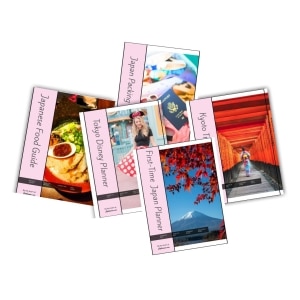
Our Japan trip planners can help. You might like our First-Timers Japan Planner, which will help you plan your trip to Tokyo, Kyoto and Osaka step-by-step, including tips on everything from picking hotels to sightseeing and dining. Or our super-duper Tokyo Disney Planner makes arranging your park trip MUCH easier. Find them in our Planners store – printable and digital versions are available.
Soba Eating Tips and Etiquette
Slurping Is Normal
In Japan, it is perfectly acceptable to slurp soba noodles. Slurping is believed to enhance the flavour and also helps cool hot noodles as you eat.
Dip Cold Soba Lightly
When eating cold soba like zaru soba, dip only the lower part of the noodles into the sauce rather than soaking the entire bundle. The dipping sauce is intentionally concentrated.

Try the Soba-Yu
At specialist soba restaurants, you may be served soba-yu after finishing cold soba. This is the hot water used to boil the noodles. Pour it into the leftover dipping sauce to create a light soup to drink.
Eat Quickly
Soba is best enjoyed fresh before the noodles soften or absorb too much broth. In Japan, soba is generally considered a meal to eat promptly rather than linger over.
Hot vs Cold
Cold soba tends to highlight the flavour and texture of the noodles themselves, while hot soba focuses more on the broth and toppings. Trying both styles is the best way to experience the variety of soba dishes in Japan.
Who Writes This Blog?
My name is Helen Foster, and I’m a journalist and author. My travel articles have appeared in publications including The Australian, Escape, RAC Horizons, Jetstar Magazine, Sainsbury’s Magazine, and more.
I’ve traveled to Japan eight times before – solo and with my partner and visited over 25 towns and cities. My last visit was November 2024 so, everything here is pretty up to date.