
- Hakone’s Venetian Glass Museum – The Biggest Surprise in Town - 19 March 2026
- How to Fill in Your Visit Japan Web Arrival Documents for Japan - 18 March 2026
- The Beginners Guide to Getting on the Shinkansen - 16 March 2026
Just a few hours away from Tokyo, the city of Nagano is home to one of Japan’s most important shrines, the famous snow monkeys and much more – so, what should you do when you visit? Here are our top 10 things to do in Nagano.
1. Explore Zenkoji
Founded in 642 AD, this temple is why many people come to Nagano. It is one of the most important temples in Japan, but people who visit it never see the reason why.
The site is home to the Ikko Sanzon Amida Nyorai, believed to be the first statue of Buddha to enter Japan. It is so important to the Buddhist faith that it was hidden away in 654 AD and hasn’t been seen since.
The temple shows a replica every seven years, but the genuine sacred image is hidden deep inside the temple, and not even the High Priest is allowed access to it.

Article by Helen Foster. Disclosure: Some links in this post are affiliate links. See our Affiliate Disclosure.
This doesn’t stop thousands of people from visiting Zenkoji each day. No photos are allowed inside the main hall, but things to not miss include…
The Key of Enlightenment. This pitch-black corridor passes underneath where the Ikko Sanzon Amida Nyorai is hidden. Also under here is a ‘key’ placed on the wall. It’s said that if you can find this as you walk through the passage with your senses impaired, you will open your mind to enlightenment. It’s dark and crowded down there, so it’s not for those with claustrophobia or fear of the dark.
Binzuru. This statue of a doctor is said to be able to cure ailments. Rub the area you wish to heal as you walk past. Obviously, many people with eye or head problems visit as parts of his face are nearly worn smooth.
If you want to learn more about the temple, you can book a guided tour in English. Arrange this at least a week before you visit (the tour website is here), or head to the visitor’s office at the shrine’s entrance. Make sure to pat the lucky cow while you’re there. They also have regular tours and are incredibly helpful with advice.
If you want to also visit the snow monkeys on a tour, you can book tours that combine the two. Take a look at this one on Klook. Use the code JAPLANEASEKLOOK at checkout you might get a discount.
The Main Hall, though, is not the only building to explore at Zenkoji. Also, take time to see…

The Sanmon Gate. The second floor of this building offers an impressive view over the temple grounds.
The Sutra House. Inside here, you’ll find a giant revolving bookcase containing many Buddhist texts. Turning this once is said to give the same spiritual blessings as reciting the sutras out loud.
The Sand Mandala: This sand display in the temple’s history and artefacts museum (in the Pagoda) took 16 Tibetan monks ten days to make. While sand mandalas are typically transient, the Dali Lama consecrated this one in 2010, and it’s on display here for good.
Entering the main buildings in Zenko-ji requires a ticket. It costs 600 yen to enter the main hall and the history museum for 600 yen; a ticket just to enter the main gate and see the view costs 500 yen, while the Sutra Hall is 300. You can also buy a combination ticket that includes them all for 1200 yen.
All prices are correct at the time of writing.
2. The Zenkoji Subtemples
This gets a section of its own as there is so much to do around here that you can easily spend most of the day exploring the small shrines, monuments and other interesting elements of the grounds around the Zenkoji main hall.
There are 39 small temples with lodging facilities around the area, some of which welcome visitors to participate in traditional Buddhist practices like sutra copying or meditation. The walkway to the main hall is full of shops selling religious artifacts, souvenirs, and snacks—grab the apple pastries at Beni Beni and the soy sauce ice cream from one of the souvenir shops.
All of this could be enough to keep you occupied, but what surprised me most was how many little quirky things there are to find here.

If you’re traveling with someone who gets temple fatigue, spotting these can be a way to keep them interested. Or, if, like me, you like to find things that are a bit different, don’t write off this area as a boring tourist shrine —it’s a gold mine!
As this is kind of a niche interest, I won’t list them all here, but you’ll find a list of all 17 fun things to see at Zenkoji over at Japlanease’s sister blog Differentville, where I highlight the fun and unusual things I spot on my travels but as a mini taster you’ll find…
The Nurebotoko: The Main Hall of Zenkoji has burned down more than once, so this large Jizo statue at the temple entrance is now said to help protect the site against fire.

The Anxiety Jizo: This cute little fella is on the grounds of the Daihongan Zenkoji Temple just south of the impressive Niomon Gate that guards the entrance to Zenkoki itself. He is said to help calm stress. You can buy small versions of him in the shrine to keep in your pocket or bag.
The Image of Tsumebori-Nyorai. This stone statue was said to have been carved by St Shinran (an important Japanese monk) — but not with tools. It’s said he carved it using his fingernails over the 100 days he spent in Zenjoki.
Honestly, there was something quirky, fascinating or pretty, like a pond full of turtles or an intricate doorway around every corner here.
It’s free to enter the grounds and smaller temples of Zenkoji. You only need to pay to enter the main buildings of the temple.
3. Stamp Walk
If you haven’t visited enough shrines in Nagano, you might also want to do this walk, which takes in seven shrines outside of the Zenkoji area and involves collecting stamps from each one.
Start by buying one of the seal sheets from the tourist information office at the station. This contains a place to stamp at each shrine you visit – and they’ll also give you a map to find the shrines.

Each is dedicated to one of the Seven Lucky Gods, and you either add the stamps yourself or head into the shrine office to pick them up. Once you’ve collected them all, you can head to Zenkoji and pick up the ornate final stamp in the middle.
See our longer guide on the stamp walk to learn more about the shrines and the gods at each and find their locations.
4. Eat Oyaki
These fat round dumplings are one of the must-eat dishes in Nagano. They are particularly delicious if you get them freshly cooked from the fire.
I managed this by accident. I was walking toward Zenkoji along Chuo Dori when I saw what looked like an open fire inside a shop. This got my attention, and I wandered in to find a man in a headscarf cooking oyaki to order over a pile of hot coals.

Don’t miss this. Not only are they really good, but the experience itself is wonderful—and far more personal than buying from one of the roadside stalls closer to Zenkoji. The shop’s name is Ogawanoshodaimonten.
You can also learn to make oyaki in this cooking class.
Other Must Eats
Oyaki isn’t the only dish you should try while you’re in Nagano. Other local dishes are miso-based ramen (try this at Ramen Misoya opposite Nagona Station), Gyunyu pan—milk bread, basashi—a thinly sliced horsemeat sashimi dish, and the local soba noodles.
You can also book a soba-making class near Nagano Station. If that sounds like fun, check it out here
Lastly, foodies should stop at Yawataya Isogoro to pick up their famous 7-Spice powder.
Need Extra Planning Help?
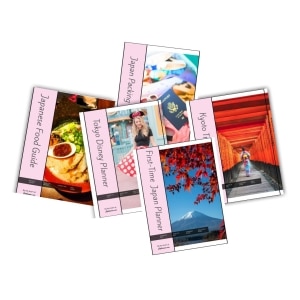
Our Japan trip planners can help. You might like our First-Timers Japan Planner, which will help you plan your trip to Tokyo, Kyoto and Osaka step-by-step, including tips on everything from picking hotels to sightseeing and dining. Or our super-duper Tokyo Disney Planner makes arranging your park trip MUCH easier. Find them in our Planners store – printable and digital versions are available.
5. Visit the Art Gallery
Nagano City is home to the Nagano Prefectural Art Museum, which includes works by artists connected to the region.
However, the highlight for me wasn’t inside the museum. It was Fog Sculpture, an exhibit over the pools outside the museum.
This interactive exhibit is by artist Fujiko Nakaya, one of 80 of her fog installations around the world. It sees an artificial mist made from water vapor, spilling around the exterior of the museum, enveloping everyone in its path. If you get caught in it, you then become part of the exhibit.

While being in the fog is fun, the best views for photographers come from the walkway above the exhibit.
The museum is closed on Wednesdays. The fog exhibition is scheduled for 10:30, 11:30, 12:30, 13:30, 14:30, and 15:30 (confirm the schedule here before you visit). It only lasts five minutes, so don’t be late!
Because the fog is made from water droplets, it can be closed in bad weather, and it will always be closed between late November and early April when temperatures in Nagano start to fall.
6. Take Part in O-asaji
O-asaji is a prayer ritual that hopes to send the dead safely to the afterlife. Its hypnotic chanting takes place every morning at Zenko-ji at sunrise. If you’re staying at one of the many shukubo (temple lodgings) around Zenko-ji, you’ll be invited to the ritual, but it is also generally open to members of the public.
The service’s time changes by one minute every day, as it is timed specifically to the sunrise. A chart showing the timings is on the main Zenko-ji webpage.
To attend, you need a ticket to the inner sanctuary. The above link also explains how to get one and when to arrive for the service.
You can also book this tour, which shows you around Nagano, books your shukubo accommodation and includes access to o-asaji. It also contains access to a fire ritual. These are amazing.

7. Explore Gondo
The Gondo Shopping Arcade is full of small local shops, bars, and restaurants. Steer clear if you like your malls shiny and stocked with the latest fashions, but if you’re looking for a part of old Japan in Nagano, this is where to go—it’s beautifully faded and retro.
This is also a good place to stop for dinner. Someone in my Facebook group recommended the dumpling soup at Orion, which was a soothing choice as I wasn’t well when I was in Nagano. Note, though, that there are a lot more dumplings in the soup than you think.
I ordered a side of gyoza as well. Big Mistake, Huge. I had dumpling overload by the end of the meal.

I also wanted to go to the quaint-looking restaurant, above. It’s called Togakushi and it serves Nagano’s famous soba noodles. However, I was in Nagano over the weekend, and it was closed on Sunday. Check opening hours of restaurants in this area if you are here at the weekend.
If you’re nervous about visiting Nagano’s small bars and izakaya, why not take a bar tour with a local guide? This one from byfood takes in a selection of izakaya.
8. Visit Obuse
This small town is just a 25-minute train ride from Nagano Station on the Nagano-Detetsu Line. The town itself is pretty and known for its chestnut-based treats, but if you like art, you’ll mostly want to take a side trip there because it was home to the Japanese woodblock artist Hokusai, probably most famous for his print The Great Wave Off Kanazawa.

The Hokusai museum is small, but so are Hokusai’s paintings, so they can fit many of them here. You can easily spend two hours here studying the close-up details.
If you are a fan, also visit the Gansho-in temple at the far end of town, where things take on a grander scale. There’s a large ceiling mural painted by Hokusai.
Related Read: 10 Fantastic Day Trips from Nagano.
9. See the Snow Monkeys
I hate snow and monkeys, and I was here in Summer when the monkeys retreat to the hills rather than soak in the hot springs, so this was not on the list for me to do on my trip. However, it’s the most popular day trip from Nagano, so I’d be a bit remiss if I didn’t mention it.

Image: JNTO Media Gallery
Monkey bathing season runs from December to March. You can get there by bus or train.
Check our guide on how to get to the snow monkeys from Nagano – for details on routes, costs and plenty of tips from people in my FB group who have visited them to make sure you have the best day.
If you don’t want to arrange your own transport, you can also take tours to the Snow Monkeys from Nagano.
10. Togakushi Shrine
The beautiful Togakushi shrine complex is located outside the Nagano city centre but is an easy half-day trip. The walk to the final upper shrine is through a stunning passage of mature cedar trees.

Getting there and exploring all the shrines, the nearby village and the nearby lake will take up almost a whole day. If you’re here in the snowy season, check what things in and around the shrine are open or accessible.
You can catch a bus here from Nagano Station, which takes about an hour to get you to the shrine’s entrance. If you’d prefer someone to take you, you can book a half-day tour of Togakushi Shrine here.
If our articles or Facebook advice have helped make planning your trip easier, you can Buy Me Coffee (or, more likely, some ramen, a Sapporo or an egg sandwich) by making a small donation at our Buy Me a Coffee page.
Can You Ski in Nagano City?
A friend of mine was very excited when he realised that Nagano was only 90 minutes outside Tokyo. After all, the city’s name is synonymous with the Winter Olympics, and he envisioned being on the slopes within two hours of leaving the airport.
I had to tell him that while the city might be blanketed with white in the winter, the ski resort he had his eye on was not in the main city but about a two-hour bus journey away.
So, no, you can’t ski in the town itself. The closest ski area to town is the Togakushi Ski Area, about 40 minutes away. See more about that here.
If reading the above as made you realised how much there is to do in Nagano, you might want to check out our guide on where to stay in Nagano next so you’re close to everything.

