
- How to Watch the Oiran Parade at Edo Wonderland, Nikko - 15 October 2026
- 8 Mistakes Not to Make in Autumn Leaf Season in Japan - 10 October 2026
- How to Spend One Day in Nara - 29 September 2026
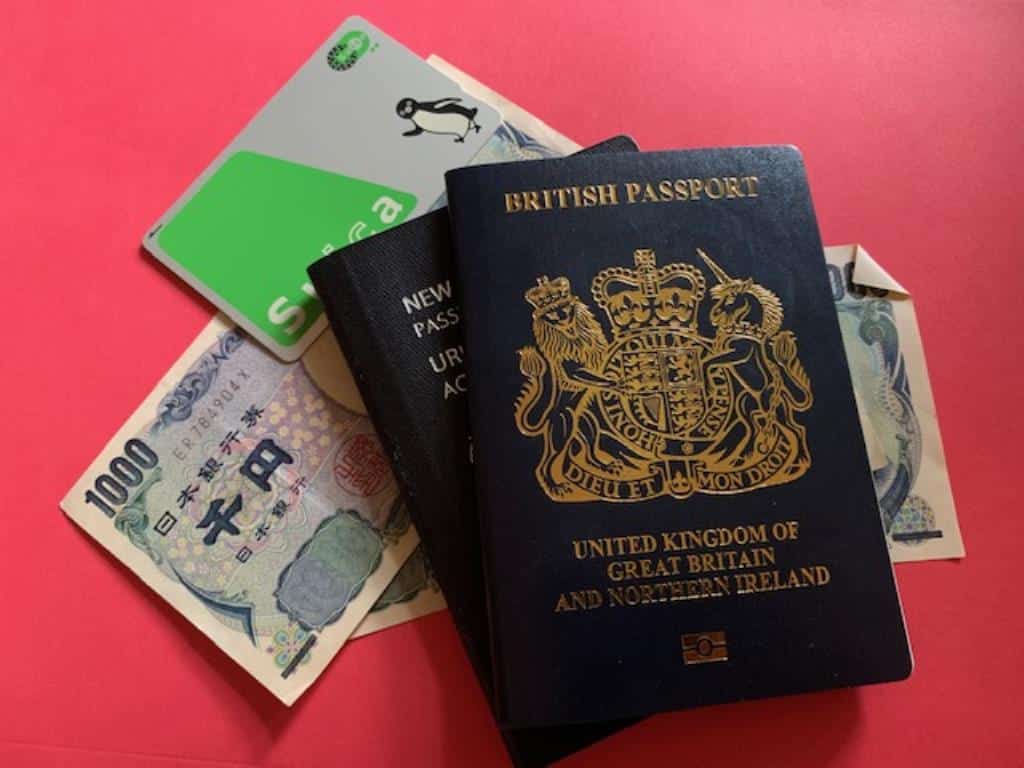
If you normally put your passport in your hotel safe as soon as you reach your hotel room and leave it safely there until it’s time to leave, it might shock you to find out that all tourists must carry their passport with them at all times while in Japan – no exceptions. Here’s what you need to know…
Why Must You Carry Your Passport?
The simple answer is that it’s Japanese law. And, as soon as you enter Japan, you must abide by Japanese law.
The less simple answer is that you need to be able to prove that you’re legally in the country and not doing anything your visa says you shouldn’t – and, the stamp in your passport proves that.
Can I Carry a Photocopy or Picture?
While in some countries, it’s okay to carry a photocopy of the picture in your passport, Japan is not one of them.
You must have the original on you.
Article by Helen Foster. Disclosure: Some links in this post are affiliate links. See our Affiliate Disclosure.
What Happens if You Don’t?
Maybe nothing – but the Japanese police have the right to ask to see your passport at any time.
If you don’t have it with you, they can escort you to your hotel to get it (embarrassing and inconvenient). And at worst, you could be liable to a large fine – up to 100,000 yen according to the Chiba police department in Tokyo.
If you’re lucky enough to be living in Japan, other rules apply. Check immigration rules for details as to what documentation you can show instead of a passport.
Other Times You Might Have to Show Your Passport
As well as being legally required if the police ask for it, there might be a few times you need to show your passport when on holiday in Japan, and that’s going to be a bit tricky if it’s the hotel safe! These include…
When Picking Up Your Rail Pass
Because the Japan Rail Pass, and many of the regional rail passes, are only available for tourists, the person issuing your pass will want to see your passport – and those of anyone else whose pass you are collecting – to ensure that you have a valid tourist stamp in your passport.
For this reason, even if your passport is valid to use in them, you also shouldn’t go through the electronic gates at immigration when you enter Japan. Visit a desk as you need to get your passport stamped by someone.
When Using Your Rail Pass
You should also be prepared to show your passport on train journeys when traveling on your Rail Pass – although I haven’t been asked to show it, the conductor does have the right to ask.
Buying Other Tourist Passes
Some other transport passes, like the Tokyo Subway Ticket, are also only available to tourists, so you might be asked to show your passport when you purchase them.
Checking in to Your Hotel
You’ll need to provide your passport when you check into a hotel, and they will likely make a copy of it. This is why it’s important to book your hotel room for the right number of people, as the passports need to match the numbers on the booking.
When Buying Goods Tax-Free
Japan adds a consumption tax of 8-10% on many items, and if you fulfill certain criteria – like spending a certain amount in a shop at once (at the time of writing, it’s 5000 yen) and not using the goods before you leave – you can get that tax back when you exit Japan.
But, to start the process, you must have your passport.
If you think you will be going on a spending spree, here are the basic rules on tax-free shopping in Japan from Global Blue.

How to Keep Your Passport Safe
Obviously, the big worry about carrying your passport is that you might lose it or someone might steal it – or that having it shoved in a pocket for two weeks might lead to some damage that could stop you from traveling – or at least mean you need to get a new passport earlier than you should.
So, it’s essential that you take care of your passport while out and about.
Stash it Somewhere Special.
Ideally, not somewhere you’re going to be opening and closing, which increases the risk of it falling out.
If you have a bag, jacket, money belt, or anywhere else you feel it’s safe with, say, a zippable, inside pocket, place the passport in there – that’s where mine goes on my trips. Do the pocket up and only open it to get your passport back out again. Of course, it’ll help if it’s an item you carry everywhere so you don’t forget it.
Putting your passport randomly in a bag or in your purse/wallet increases the potential of you tearing it, spilling something on it, or accidentally knocking it out of the bag.
Get Some Protection
If you have your passport in a pocket or loose in a bag, then there’s a possibility of your bending pages or it getting wet – and, while a little bit of damage might not matter, if you get any issues like peeling or tearing of your photo page you could be in trouble. So, protect it.
Specifically, before you put it in your zippered pocket, you might also want to put it in a ziploc bag to stop it from getting wet.
I got the wettest I think I’ve ever been in my life in Nara, Japan (which led to my love of hot milk tea). And I’m pretty sure I only still had a passport at the end of it because it was in a plastic bag inside my other bag.
Using a passport case will also help protect against it getting bent. There are heaps to choose from on Amazon, so you don’t even have to leave home to acquire one.
Keep Your Wits About You When Drinking
Pickpocketing is rare in Japan, but rare doesn’t mean it doesn’t ever happen – and you should be particularly careful in areas where alcohol might be involved, like Tokyo’s Roppongi, Golden Gai, and the Kabukicho area of Shinjuku (see more about what to expect in Kabukicho here).
Take a Photocopy
While you can’t use a photocopy of your passport to show the Japanese authorities, having one stashed back at your hotel is still a good idea in case you lose or damage your original passport. You can’t travel on it, but it might make replacing your current document slightly easier.

Beware Deer!
The deer in Nara and Miyajima love to munch on paper, and if your passport is sticking out of a pocket or bag, they might think it’s a map and take a chomp!
The one below is trying to eat my coat toggle while I queue up to buy it deer cookies!!!
What to Do if You Do Lose Your Passport
The first thing to remember is that Japanese people are usually very honest. If they find a wallet, keys, or passport, they will normally hand it in.
If you know roughly where you were when you lost it, go to the nearest office and ask. For example, you might try guest information in a mall, a theme park, or the supervisor’s office if you’re at a station.
If you’re out and about, or if the desk where you are doesn’t have it, then visit the nearest police box (koban) or police station and see if anyone has handed it to them.
You’ll probably need to file a police report for your travel insurers and maybe even your Embassy if it is lost, so this isn’t a bad idea anyway. Your hotel will help you locate the nearest box and might even call them to explain what’s happened to make things easier when you arrive.
If they don’t have it, you will need to call your country’s Embassy or Consulate and find out what the procedure is for getting a new passport. Every country will have different rules, so you need to call them directly. But things to make sure you ask include…
Whether you need an appointment or can just walk in.
What documentation do you need to bring with you?
Do you need passport photos and any rules about size, lighting etc?
Do you need to bring a police report?
What’s the fee and how can you pay that?
Will you get a new passport or merely a document that allows you to travel? This is particularly important if you are not going straight back to your home country on your next flight. You might need to change some plans if you are as you can’t flit around the world on a temporary document.
While time is of the essence in taking this step, as getting a new passport can take time, don’t rush into informing the embassy the second you notice your passport has gone as, once you alert them to a lost or stolen passport, they usually cancel the original document and, if you then find it at the bottom of your bag, or in your other coat, you’re going to waste a lot of time.
Make sure it absolutely isn’t anywhere to be found before filing an official report – and don’t make a habit of losing them. Not only is it frustrating and expensive, but some countries, like Australia, can reduce how long your next passport lasts if you lose two passports in a relatively short period.
There are a few extra steps to square leaving the country with the Japanese immigration authorities but your consulate or embassy are the best people to explain exactly what you need to do.
Lastly, tell your travel insurers. Your policy may cover the cost of replacing a lost passport. I use Cover More on my trips – although, obviously, there are lots of insurance companies out there to pick from.
So, hopefully, that explains the rules about carrying your passport in Japan. I know it’s a bit worrying to have it with you, but it’s the rules so…
Have you joined our Japlanease Facebook Group yet? It’s the perfect place to ask questions and get answers from me, and other Japan fans and travelers. Join it here.

Who Writes This Blog?
My name is Helen Foster, and I’m a journalist and author. My travel articles have appeared in publications including The Australian, Escape, RAC Horizons, Jetstar Magazine, Sainsbury’s Magazine, and more.
I’ve travelled to Japan nine times before – solo and with my partner and visited over 50 towns and cities. My last visit was in April 2026, so everything here is pretty up to date.

