
- Hakone’s Venetian Glass Museum – The Biggest Surprise in Town - 19 March 2026
- How to Fill in Your Visit Japan Web Arrival Documents for Japan - 18 March 2026
- The Beginners Guide to Getting on the Shinkansen - 16 March 2026
Nagoya is a fantastic city. I had just over two full days there and, in my opinion, that was not enough – but, if that is all you have, our two-day Nagoya itinerary shows you how you might want to spend it.
Nagoya is located about halfway between Tokyo and Osaka and also acts as a great jumping-off point to the Alps region of Japan. Originally, I wasn’t supposed to be going there on this trip – but, a change of plan meant we had a few days between Tokyo and Bunny Island and we picked Nagoya. Had we planned the trip from the start with Nagoya in it though, I’d have spent at least three nights there – there’s a LOT to do.

Article by Helen Foster. Disclosure: Some links in this post are affiliate links. See our Affiliate Disclosure.
It turned out that Nagoya was the type of place in Japan that I love, where you just wander around cool areas seeing what you can spot. That’s how I prefer to see Japan rather than running from one must-see sight to the next. If you also love historic old neighborhoods, pretty shrines, cute food, with some fun museums thrown in the mix, it’s the right Nagoya itinerary for you.
Day One
We arrived from Tokyo at 9am, and went straight to our hotel, Nikko Style (definitely recommended), to drop our bags. This itinerary starts from that hotel, but, it will work from anywhere in Nagoya.
AM: Start in Shikemichi
Shikemichi is an older area of Nagoya, full of old wooden houses with lattice fronts, whitewashed warehouses, and tiny alleys.
Now mostly residential, there aren’t many huge sights here, but a few points of interest are the Nakamura Family Historic Residence, which has an interesting shrine on its roof dedicated to fire protection – that’s it below.

And the road of white warehouse buildings from which the area gets its name. The name Shikemichi comes from the fact that the commercial buildings here were subject to four measures (shi means four) to reduce the risk of fire including wider roads, thick walls and few windows and you’ll see clear examples of this here.
The joy of Shikemichi comes from wandering the quiet streets and enjoying the architecture, peace and small independent businesses that dot its streets. Photographers will love it.
Then Wander Endo-ji Shotengai
At the north end of Shikemichi, you’ll enter the covered shopping arcade that makes up the Endo-ji Shotengai area. This is Nagoya’s oldest shopping area, and while the shops within it are becoming more gentrified, it’s still a fantastic place to just wander and look at old faded storefronts or hidden shrines and get a touch of how life used to be.

The shops here don’t open early – only a few were waking up when I arrived around 10am. While it might seem strange to visit a shopping street early in the morning, seeing the street starting to wake up was part of the charm of visiting – there aren’t many people around, just a few old ladies out to buy groceries and people walking to work.
If you want to go in the shops arrive after 11 am. I’d also have liked to come back here at night as there were some bars and restaurants I would have liked to check out, but, time didn’t allow it (that phrase was said a lot when I was in Nagoya!)

Like Shikemachi, half the joy of this area comes from just wandering, but, if you want to make sure you don’t miss anything, we have a separate guide to things not to miss in Edo-ji Shotengai that you can check out after this.
It includes some must-see shops to pick up cute souvenirs, where to find the three shrines in the area (and the wishing stone to try at one of them) and a cafe where you can see kabuki. I really liked it here!
What’s With the Gold Fish?
As you walk along Endo-ji Shotengai, you’ll notice a giant statue of a gold fish. You’ll spot them elsewhere in Nagoya as well. This is the kinshachi – aka shachihoko – one of the symbols of Nagoya and it’s based on the giant statues that adorn the roof of Nagoya Castle (and many other castles in Japan).
They might look like fish, but they’re actually hybrids of fish and tigers. They’re placed on top of castles to protect against fire. It’s said that they can swallow large amounts of water, and control the rain, so, if fire comes, the kinshachi will use its powers to protect the building.
Keep your eyes out for them in Nagoya – you’ll find statues, water fountains and even kinsachi-shaped snacks around the city. They’re also on the labels of the local beer!
Next Stop: Nagoya Castle
From the east (riverside) end of Endo-ji Shopping Street, it’s an 18-minute walk to one of Nagoya’s most popular sights – Nagoya Castle. If you’ve walked east to west on the street, though (as I did), then you might prefer to jump on the No14 bus to get closer to the castle to save your feet some extra steps.
Built in 1615, Nagoya Castle was damaged in air raids during the war and repaired in some parts – using some very inauthentic materials! To rectify this, the castle is undergoing restoration work to restore it to its former glory, meaning some parts can be off-limits to tourists. The interior of the keep, for example, is being completely rebuilt between 2024 and 2028 and can’t be entered so just bear that in mind.

One area where restoration is completed is the Hommaru Palace where you’ll find some beautiful Japanese artworks – admission is included with the price of your castle ticket. Entry costs 500 yen and both cash and credit cards are accepted.
I can’t write a better guide to the details of the castle site than the local team over at Nagoya Isn’t Boring, so I’m not even going to try. If you want a deep dive into the castle, here’s a link to what I think is the definitive guide to Nagoya Castle. Or, if you arrive here for 12.30, there is a free English-speaking tour where you can learn all about the history and important details.
Lunch: Try Some Nagoya Meshi
The road leading to the main gate of the castle includes part of an eating area called Kinshachi Yokocho Gourmet Town. The restaurants and stalls here give you the chance to try some of Nagoya’s local dishes – known as Nagoya Meshi.
Try Miso Katsu – a tonkatsu fillets topped with a thick red sauce – from Misokatsu Yobatan – this chain also has many other branches around town. Or, go for Hitsumabushi – a dish of eel on rice that you eat in three stages including making it into a broth. You’ll find it at Hitsumanushi Bincho outside the castle.
If you have extra time in Nagoya, this food tour gives you a crash course on eating Hitsumabushi – and the chance to try a few other Nagoya must-eats as well.
Late Afternoon: Wakeoe Shrine/Toyota Museum
Depending on what time you get started and how long you’ve spent on all the above, it will now be somewhere between 2-4pm – so, you might want to go back to your hotel for a rest before dinner – or, if the timing works, you could head to one of our final two stops (you won’t have time to do both. I told you you needed more time in Nagoya).
Option One: Wakeoe Shrine
Instagrammers, wake up now. This is about to go on your Nagoya must-see list. A 30-minute ride from the castle on the number 13 bus will take you to see one of Nagoya’s prettiest shrines.

The Wakeoe shrine is dedicated to six different gods and has been here since 1854. And while I’m not sure they had quite the same aesthetics back then, it’s a ‘photo for the grid’ paradise of flowers, umbrellas, wisteria (in May) and colour.
There’s so much to take in here, but here are a few smaller details not to miss.
You’ll notice cute dog details around the shrine. This is because Wakeoe is a place where you can come to pray for the health of your pets.
Also, look out for people throwing china balls at a rock. the idea is that you write something you want to break on the ball – a run of bad luck, a bad habit, a bad relationship, on the ball, then throw it to smash at the rock.
You might also notice people stroking a statue of a man and a fish. This is Ebisu and stroking different parts of his statue generates different benefits. Stroke the fish to increase your income, stroke his beard for better health, or for general good luck, touch the ears.

Not surprisingly, for such a pretty shrine, the goshuin (temple stamps) at Wakeoe Shrine are stunning – and they vary their designs which makes them very popular with collectors. This is one shrine where you’ll have to take a ticket number when you have over your goshuin and come back when it’s finished (see more about collecting goshuin here). The shrine is open 24 hours, but if you do want to get to a goshuin, then get here before 4pm so the office is open.
From here, you can use the bus to get you back to town, or your hotel. Buses are a lot better to use in Nagoya than trains which have a limited reach – they pretty much all have signs or announcements in English.
Don’t Miss Nagoya’s Other Fun Shrines
This is also where I make a small confession, as while I did this itinerary, I didn’t quite do it in this order. I actually spent the morning of my second day visiting four of Nagoya’s most fun shrines – including Wakeoe, but also a boob shrine, an erm, male shrine and a cute dog shrine. If that sounds like a fun way to spend your day, you’ll find full instructions in my guide to Nagoya’s most interesting shrines.
Option Two: Toyota Commemorative Museum of Industry and Technology
If you’d prefer to stick to a more traditional Nagoya Itinerary, though, from the castle, you can walk about 30 minutes west of the castle (or take the metro) to this museum.
Nagoya is the home of Toyota, and there are three Toyota Museums in and around the city (as we said in our guide to how long to stay in Nagoya, car enthusiasts are another group who might want to allow more time in Nagoya to fit everything in).

‘Image provided by Toyota Commemorative Museum of Industry and Technology
This museum focuses on the company’s beginning as a weaving company and explains how they became the car company they are today.
It’s a hands-on museum, and, if you get there at 2pm, you can join an English tour of the Textile Machinery Pavilion, or, at 3.15pm, there’s an English tour of the Automobile Pavilion (just double-check this timing before your visit to make sure it’s still the same).
There’s a lot more at this museum than you might think, so, if it’s going to be a highlight of your trip, you’re going to want to time the previous stops so you get here by 3 pm at the latest – it closes at 5 pm (or swap the itinerary around and go here first so you don’t have to hurry). Note that it’s closed on a Monday.
Day Two
AM: Yanagibashi Market
Time to head off to Nagoya Station to catch the train to one of Nagoya’s most popular museums but first…
Depending where your hotel is, you might be able to wander through the Yanagbashi market area on the way here and watch the stalls in action. It’s open from 4am, five days a week (closed Sunday and Wednesday). This would also be a good place to grab a fresh seafood lunch on your way back.
From here, you’re getting on a train to Kinjofuto – home of the SC Maglev and Railway Park.
The Maglev Museum
The SC Maglev Museum was the one museum I did not want to miss in Nagoya. It has displays of shinkansen, old and new, that you can walk around, a Shinkansen simulator that you can drive, a huge model railway – and a button you can press that explains (reassuringly) the mystery of what happens to the shinkansen if there’s an earthquake (see the answer in our earthquake alert guide).

You need 2-3 hours here. Because we got a bit lost trying to find things at Nagoya Station, the underneath of which is enormous. (This moment was why ‘not knowing your exit/entrance’ made its way into my list of the 15 biggest mistakes you can make in Japan), we only had 90 minutes and it wasn’t quite long enough – I had to miss out on driving the train for starters.
The Museum opens at 10am and I’d suggest getting here early if you want to try the Shinkansen Simulator as you need to book your slot. You don’t need to book entry tickets in advance you can just buy them on the door. They close on a Tuesday. See more on opening hours and exhibits via the SC Maglev website.
PM: Pick From Legoland or Osu
As with yesterday, if you only have two days in Nagoya, you’ll have to decide between a few options for spending the afternoon. These are the two I’d suggest.
Legoland
This is on the other side of Kinjofuto station to the SC Maglev Museum, so if you have kids it might make the perfect way to spend the rest of your day (although note, it’s pretty large and it closes at 5pm, so do your research as to how long you think your kids might want to spend there. It might be a whole day activity).
You can book your tickets in advance here.
On this plan though, we’re going to back to Nagoya to explore another fun area – Osu. So, jump on the train back to Nagoya station, then make your way by bus or metro to the Osu area.
Grab a Cute Snack on the Way
If you’re feeling like a sweet treat as you come back into Nagoya Station, there are two places you might want to check out, that are as cute as they are tasty.
Piyorin. These cute, chick-shaped pudding/cakes are one of the symbols of Nagoya and incredibly popular. So popular, that you pretty much need to be at the shop when they are released to snag one (which I didn’t achieve hence there being no cute picture of me with my chick pudding). Deliveries come in at 10 am, 2 pm and 5 pm. They have a store in the station close to the central ticket gate. Find the shop location here.
Alpaca Crepes: These viral cream-coated crepes weren’t a thing when I was there, or wild horses (alpacas) wouldn’t have stopped me getting one. Find them at Crepes des Annes a short walk from Nagoya station.They also do other designs like hedgehogs and pugs! Before you spoil your appetite completely though, I did get to try a very cute lunch option in Osu…
Lunch: Moricafe Kodama Ghibli Cafe
You might know that Nagoya is home to Ghibli Park, where you can find yourself in scenes of some of the most famous Ghibli movies. The studio executives from Ghibli were very hands-on during its development, and, one day they came into this cute Ghibli-themed cafe for a look around.
Rather than throwing a tantrum at all the Totoro toys and themed meals, they thought it was so special, they actually tweeted out that people should come and see it! And, if you like Ghibli, so should you.

Not only is there heaps of Ghibli merchandise as part of the decor, the meals and drinks are themed around the movies and it’s just adorable.
It’s not quite as hard to get into as Ghibli Park itself, but, you do need to make a reservation, especially for lunch. Contact them via their Instagram.
The cafe is a bit tricky to find, as Google Maps makes it look as if you enter on the side road, not the main road. If you get lost, look between the Sound Royal Plaza building and the bright red duty-free shop on the main road and you’ll see a doorway with the name Akamon above it. The cafe is on the fourth floor – they usually have a cute green sign outside.
If you don’t want to eat Ghibli style, you’ll find plenty of other restaurants in Osu – when I was there a new branch of Yobatan had just opened that day, so if you didn’t try miso katsu yesterday, this could be your chance.
PM: Explore Osu
Osu is Nagoya’s main shopping district. It’s packed with gadgets, fashion stores, anime and manga shops and more, but, even if you’re not a shopper, you’re going to want to come here, because there are so many other things hidden among the alleys.
They have many of the street food trends you see in Tokyo – like the viral 100 yen cheese coins or sweet potato ice creams – but with no queues!

As well as shops, there are some fascinating shrines, and other sights here not to miss. Look out for Osu Kannon, one of Nagoya’s most important Buddhist shrines, Banshoji Temple with its dragon designs, the giant waving cat, the bunny shrine – and a statue that will bless your fashion sense.
Allow 2-4 hours wandering around here, depending on how many shops you want to visit – Mr Japlanease spent hours in the gadget area alone.
From here you can get on either the Meijo Line, or the 30,34 or 758 buses to our last sightseeing spot, two of the iconic sights of Nagoya.
The Mirai Tower and Oasis 21
The Eiffel-esque Mirai Tower was the first consolidated radio tower in Japan – now, it’s home to bars, restaurants, a viewing platform and, even has a hotel inside the tower if you’re looking for somewhere architecturally interesting to stay.
The observation deck of the tower costs 1300 yen to visit, which I thought was a bit high for something just 90 metres tall, but, it’ll give you a different perspective over the city. It does look cool at night – in fact, the night view from the tower has been certified as a Japan Night View Heritage Site – which is a list of the prettiest night views in the country.

The plaza at the base of the tower is a popular place for people in Nagoya to hang out and it has a really nice vibe about it, particularly at the end of the day when people are meeting friends after work.
Right by the Mirai Tower is another iconic Nagoya Building, Oasis 21. This spaceship structure is famous for its glass floor – and pretty nighttime lighting. The word glass floor kept me at the bottom.
Need Extra Planning Help?
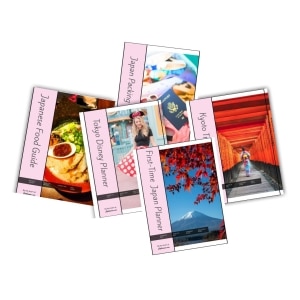
Our Japan trip planners can help. You might like our First-Timers Japan Planner, which will help you plan your trip to Tokyo, Kyoto and Osaka step-by-step, including tips on everything from picking hotels to sightseeing and dining. Or our super-duper Tokyo Disney Planner makes arranging your park trip MUCH easier. Find them in our Planners store – printable and digital versions are available.
What to Do in the Evening in Nagoya
There are a few bar areas in Nagoya where you might want to spend your evening.
Meieki Bars and Restaurants
On our first night, we went to the Meieki area close to the station which is full of small bars and restaurants.
We started the evening at a standing bar – it wasn’t the best choice, the drinks were a bit more expensive than the other standing bars we’d been to, and while it was fun watching the world go by, people didn’t chat to you in the same way they had in other parts of our trip.

If you’re here in winter though, there’s a fun reason to make a stop here – they sell a drink of warm sake with a fish fin between December and March! If you want to try it, it’s Uotsubaki Yanagibashi.
So, we moved on to an Asahi beer hall.
Asahi Beer Halls, and their rival, Ginza Lion, are great if you want a few beers and dinner at a decent price – without having to pay a big seat fee. Strangely, they are themed like German beer kellers, and the menu is decidedly heavy on sausages, but they are very popular with Japanese people after work, so you don’t feel too much like you’re being a tourist in them.

I definitely recommend the curry in this one – it was extremely cheap, but very filling. It’s not listed on Google Maps, so look for an eel restaurant called Unazen. About three buildings east, you’ll see some red Asahi signs – the restaurant is in the basement.
You’ll be spoilt for choice around here though.
Sakae
The plan on our second night was to explore the buzzing area of Sakae – but, I was meeting Mr Japlanease in the Hub British pub on the edge of the district. We do this when we arrive somewhere separately as they are easier to find on the map than something with a name in kanji or hiragana. Normally we quickly move on to somewhere less, erm, British!
This one though had seats looking out onto the main road so we could people watch (our favorite thing) and it was a nice warm night – so, that was the end of visiting Sakae!

If you’re less lazy than me though, the bar I had marked down for our evening was Gomitori Honten and izakaya famous for its Tebashi. This is another famous Nagoya dish of deep-fried chicken wings. They also sell the last dish you can tick off on your Nagoya Meshi bingo card – tenmusu – a rice ball with a fried prawn inside.
If we’d had another night, we’d have taken a bar tour in Nagoya as it’s one of those towns where, there are so many places to choose from, I think you need a local to show you the best places to go.
Where We Stayed in Nagoya
If I’d had more time, there would have been heaps more on this list. I’m really hoping to go back to Nagoya on another trip to tick those off. If it’s tempted you too, then I also highly recommend staying at the Nikko Style.

This was the first hotel I saw when I was doing my research and, the price was incredible for the way it looked. Glad I didn’t second-guess my opinion. When I walked into my room I actually let out a small sigh of happiness – I’d got quite used to tiny rooms with minimal furniture by this point on my trip, but this was stylish, large and very welcoming.
I admit, I did knock off sightseeing early one day just to come back and lie on the chaise lounge! Told you I needed more time in Nagoya! Don’t underestimate this fantastic city.

Who Writes This Blog?
My name is Helen Foster, and I’m a journalist and author. My travel articles have appeared in publications including The Australian, Escape, RAC Horizons, Jetstar Magazine, Sainsbury’s Magazine, and more.
I’ve traveled to Japan eight times before – solo and with my partner and visited over 25 towns and cities. My last visit was November 2024 so, everything here is pretty up to date.

