
- How to Watch the Oiran Parade at Edo Wonderland, Nikko - 15 October 2026
- 8 Mistakes Not to Make in Autumn Leaf Season in Japan - 10 October 2026
- How to Spend One Day in Nara - 29 September 2026
Riding one of Japan’s superfast bullet trains is a must-do experience, but there are a few mistakes to avoid when using it. Like these…

Article by Helen Foster. Disclosure: Some links in this post are affiliate links. See our Affiliate Disclosure.
This piece is checked once a year and also updated when significant things change. The last update was in June 2026.
1. Stressing Out About Fuji-Side Seats
Everyone wants to see Mount Fuji from the train, and getting the seats on the right side of the train to do so (seats D and E if you’re interested) has become a mission for some people. That’s not the mistake – it’s cool to see Fuji-san. The mistake is getting stressed out if you don’t get those seats.
Chill.
For starters, Fuji-san is very elusive. The sky needs to be very clear to see it. I’ve seen it from the Tokyo to Osaka Shinkansen once in probably 12 journeys. The best view of it I ever saw from a train was the one below; and that was taken on the metro leaving Tokyo Disney, not the Shinkansen!

Therefore, you could be getting super-stressed-out about something that won’t happen anyway.
But even if you wake up to bright blue skies and not a cloud in sight, you aren’t doomed to spend the train journey cursing the seat allocation fairies as your neighbors in seat D&E click away with the camera. Just move to the area between the cars at the relevant time and you’l be able to see the mountain from the window by the door.
2. Looking Out of the Window if You Get Motion Sick
Talking of looking out windows. The Shinkansen can reach speeds of 320 kilometers an hour, and while the journey is incredibly smooth (you really can stand a coin up on the tray table), the speed of the scenery rushing past can make you start to feel a bit queasy if you’re prone to motion sickness and look out of the window for too long.
If you’re not a good traveler, limit your time looking for elusive mountains. Keep your eyes inside the train!
The good news if you suffer from motion sickness is that all the trains on the Shinkansen face forward, so you won’t have to worry about getting a backward-facing seat, which can worsen things.
3. Planning On Riding the Hello Kitty Train
Sadly, the Hello Kitty Shinkansen stopped running in May 2026.
Right now, if you want to ride a Hello Kitty-themed train, your only option is the Hello Kitty Haruka train which connects Osaka’s Kansai Airport to Osaka City and Kyoto.

It’s not quite as cute as the Shinkansen, and it doesn’t have the merchandise car, but it does have theming on the outside and a few touches inside.
4. Putting Your Luggage in the Wrong Place
This is probably THE most common shinkansen mistake. If you’re travelling on the most popular Shinkansen line between Tokyo and Kyoto/Osaka, there is a rule about where your luggage can go.
Most cases either go in front of you in your seat (easy if they’re cabin-sized) or on the overhead luggage rack, which is pretty roomy. There is also a rack between the Shinkansen cars that people with larger luggage can use.
But if you can’t use any of these spaces for some reason or if your case measures over 160cm (when you add all the sides together), the other option to store luggage is a special area behind the back seats in the carriage. And this needs to be booked in advance.
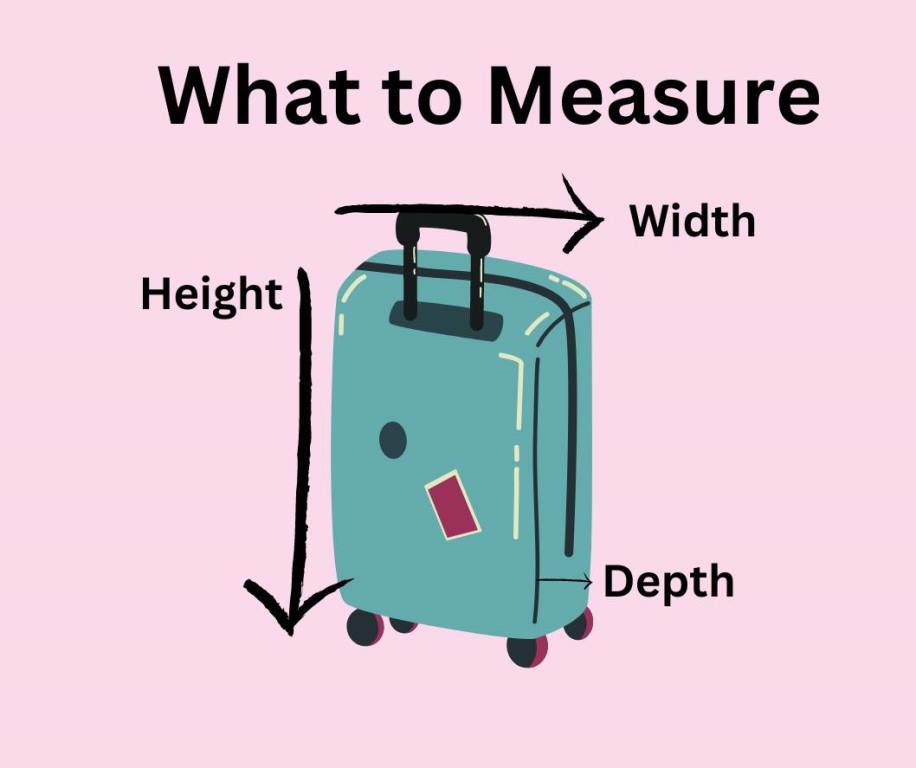
I see people making two mistakes associated with this.
Not Booking the Space When You Do Need It
People without bookings can put their bags in the oversized luggage area rather than lifting them onto the rack. This doesn’t work. The guards know if someone has booked the area and will ask you to move your bags when they realise you haven’t.
Book the luggage seats if your bag is over 160cm or you can’t lift it onto the overhead rack and you don’t want to risk putting it in the rack between the cars. If you do have trouble lifting your bags, I recommend exploring Japan’s fantastic luggage shipping service rather than trying to carry it.
Booking The Space When You Don’t
The second mistake is the exact opposite. People think that if they’re carrying any size of suitcase, they must book the luggage space seats, and as these are limited on each train, this can cause some added stress when planning, as they run out.
If your case is under 160 cm (which is a decent-sized case) and you can lift it onto the overhead rack, you don’t need to book the luggage area – just bring it on the train. A cabin-sized case doesn’t even need lifting, they will fit comfortably by your legs in the seat area. You can also place bags in the rack between the cars.
5. Getting Blase About Tickets
There seems to be a trend in Japan planning groups right now of criticising people for booking Shinkansen tickets in advance. While it’s true that if you’re catching the train between Tokyo and Osaka/Kyoto, the trains are so regular that most people can turn up at the station, buy a ticket, and be on their way within about 15 minutes, meaning booking tickets is not essential, it doesn’t work for everyone.
A family in my Facebook group recently had a five-hour wait to get on a train to Kyoto after their flight to Japan. They were carrying oversized luggage; it was a busy period, and there simply weren’t any trains left with luggage seats. So sometimes it does pay to book in advance.
The times I think you need to book in advance are if you need to use the luggage area, if you’re traveling over a Japanese holiday when reservations become mandatory, if you’re traveling on a train that is all reserved seats (some Shinkansen are – find a list here) and if you’re a group of four or five and want to sit together. In that case, book the seats and relax. That’s the point of a holiday, after all.
I book most of my seats in advance!
But, read the next tip before you do…
Need Extra Planning Help?
Our Japan trip planners can help. You might like our First-Timers Japan Planner, which will help you plan your trip to Tokyo, Kyoto and Osaka step-by-step, including tips on everything from picking hotels to sightseeing and dining. Or our super-duper Tokyo Disney Planner makes arranging your park trip MUCH easier. Find them in our Planners store – printable and digital versions are available.
6. Buying Tickets Too Early
Officially, Shinkansen tickets go on sale 30 days before the travel date. Third-party sellers like Klook will offer them earlier than that, though. It’s fine; they’re legitimate ticket sellers.
The mistake is thinking that booking two or three months in advance with one of the third-party sellers will guarantee you the seat you want. It won’t. A third-party seller like Klook will not know what seat allocations they have until the official day seats are released.

If you want to guarantee a specific seat in a carriage (e.g., the ones that have extra luggage or that let you see Mount Fuji), book directly with the train company 30 days in advance. You’ll then be able to book an actual available seat.
Check out our guide on the different ways to book Shinkansen tickets online to find the best methods.
7. Queue Up on the Platform
The Japanese will form an orderly queue for their train before it arrives – join it. Do not aimlessly stand around and then push in front of said queue when the train arrives, as I saw one family do in Kyoto recently.
However, don’t queue too soon. The trains come in frequently, and if you’ve got organised and get to your platform 15 minutes before your train, there might be two other trains coming in before yours.
Stand back a bit and let people get on and off the earlier trains. Start to queue when the train before yours has left the station – or, sometimes, you’ll see two lines marked 1 and 2 on the floor. This indicates that you can form queues for the next two trains – just pick the number corresponding to your train’s arrival order.
Save Money with Klook & Japlanease
If you plan on buying tickets or tours from Klook for when you’re in Japan, you could save up to 10 per cent by using the code JAPLANEASEKLOOK at the checkout. Click here to see what’s on offer.
T&Cs apply. Some items, including Tokyo Disney and USJ tickets, are not available for discounts.
8. Standing by the Wrong Door
When you book a reserved seat on the Shinkansen, you’ll be given a car number and a seat number to find when the train comes into the station. Finding your car is easy – every station has the location of where the car will end up on the platform written on the platform edge. What most people don’t realise is that each car has a door at either end, and one will be nearer your seat than the other.

Sometimes, you can’t avoid this mistake as there are no clues to help you, but on some Shinkansen platforms, you’ll notice a chart that looks like the one above. This gives you an idea of which door is closest to which set of seats – then you can join the right one.
It’s not the end of the world if you get in the wrong one, but it does mean you’ll be going against the tide of people, possibly while carrying luggage.
9. Talking Too Loudly
The Shinkansen is lovely to travel on because it’s almost always silent. It’s so quiet that some lines even have signs telling you not to type too loudly if you’re using a laptop. If you’re travelling with friends and family, keep your voices down if you chat – and don’t play things out loud on your phone. If you need to make a call, head to the area between the cars to speak.
Oh, and unlike local trains, it is okay to eat and drink on the Shinkansen. You can even buy special bento box meals called ekiben, made for eating on the train.
And yes, you can have beer or a lemon sour to make the journey go a little quicker! Just take all your rubbish with you – another mistake is leaving it in the seat pocket or on the table for the next person to find. There are usually bins by the door. If not, you will find some on the train platform.
10. Waiting Until it Stops
Shinkansen departures are timed not to the minute but to the second to try to ensure the train stays punctual—this means that they do not hang around at stations.
Don’t wait until the train stops to start collecting your luggage and moving to the door – you might be too late! Start getting things together when it’s announced that you’re approaching your station to ensure you get off okay.
These are the main mistakes I see people making when planning, booking, or using the Shinkansen. If you thought this was useful, you might want to read this guide to the biggest mistakes people make on their Japan trip next. Some of these could cost you cash or spoil your trip so, they’re good to know about.
Who Writes This Blog?
My name is Helen Foster, and I’m a journalist and author. My travel articles have appeared in publications including The Australian, Escape, RAC Horizons, Jetstar Magazine, Sainsbury’s Magazine, and more.
I’ve travelled to Japan nine times before – solo and with my partner and visited over 50 towns and cities. My last visit was in April 2026, so everything here is pretty up to date.

