
- Hakone’s Venetian Glass Museum – The Biggest Surprise in Town - 19 March 2026
- How to Fill in Your Visit Japan Web Arrival Documents for Japan - 18 March 2026
- The Beginners Guide to Getting on the Shinkansen - 16 March 2026
Two full days is the perfect amount of time to see the best that Takayama has to offer and take a side trip to the nearby town of Hida Furukawa. Here’s how to fit it all in.
This was the plan I followed when I recently spent two days in Takayama. It allowed me to see all of the Top 10 Sights in Takayama, visit the very pretty town of Hida Furukawa, and still give me time for a much-needed soak in my hotel onsen.
Day 1
Morning 9-12 ish
Visit Hida Furukawa
My day didn’t actually start in Takayama. Because I was coming into Takayama from Toyama to the north, Hida Furukawa was on the way, so I jumped off the train, left my luggage in the station locker and went exploring.
Why did this town warrant a detour before I’d even got to Takayama? Two words – koi carp. Or, for a longer explanation, giant koi carp that swim in canals along the side of the street.

Article by Helen Foster. Disclosure: Some links in this post are affiliate links. See our Affiliate Disclosure.
I can’t think of another country in the world where that would happen, and for me, it was a must-see. But there’s more to Hida Furukawa than goldfish. It’s a pretty town with white-walled warehouses, some interesting shrines and a famous anime legacy.
To see more about how to spend your time there, visit our longer guide to Hida Furukawa.
Note: If you’re coming from Nagoya, you can’t reach Hida Furukawa until at least 10.45 a.m. If, after reading the plan in its entirety, you think that might be too late to get everything done, see the box at the end for the best way to adapt the plan to work for you.
I spent about three hours in the town before getting on the 12.14 train into Takayama, arriving at 12.30. I was staying near the station at the Hotel Wing International, so I dropped my luggage, grabbed a tasty yaki soba lunch at the nearby Toranoya restaurant, and headed to my first official Takayama sight.
Afternoon – 12.30 – 4 ish
Start at Kokubun-Ji
Needs: About 15-20 minutes
Your first stop is this small temple about a ten-minute walk northeast of the station.
The main hall of Kokubun ji is thought to be the oldest in Takayama. The grounds also include a 1200-year-old ginkgo tree and a beautiful pagoda, but while you should explore these, they aren’t officially why you’re here. Instead, I’ve brought you here to see this unique stone statue.

This is the stone version of a doll called a Sarubobo. This little red doll is Takayama’s unofficial mascot; once you start exploring the town, you’ll see them everywhere.
Apparently, if you touch the part of this statue’s body that is related to your wish, it will come true. So, if you want luck in love, touch his heart. As you can see above, the statue is pretty worn in this area, so I think a lot of people come here for that one!
READ MORE: Our longer post on these iconic dolls explains the origins of Sarubobo and details where you can make one for yourself on your trip. Read it after this.
Walk Across Kaji Bashi Bridge
Leave the shrine at the exit by the statue and head toward this bridge to cross Takayama’s Miyagawa River.
Keep your eyes peeled when you cross the bridges in Takayama. Many are very pretty, with scenic views behind them, but they can also be home to some interesting sculptures.
Kaji Bashi Bridge is home to the two most unusual ones.

You’ll find two figures – one with long arms and one with long legs. These are Tenagazo (long arms) and Ashinagazo (long legs). They are Japanese yokai (monsters) and these two worked as a pair. The legend goes that Tenagazo sits on Ashinagazo’s shoulders, and they then wade into rivers and grab fish, boats, or people from the water.
It’s also said that you’ll only see them if it’s going to rain – and sure enough, look at the grey sky behind him in that picture!
Visit Showa Kan Museum
Needs: 40-60 minutes. It will take a little under 10 minutes to walk here from Kokubun-ji.
Heading straight up from the bridge will take you toward this museum close to the Takayama old town.

Japan’s Showa era lasted from 1926 to 1989, and this museum is like a tiny step back into childhood for many Japanese people—and maybe you, depending on your age and interests.
You’ll find pretty indoor streetscapes, old Japanese toys with Godzilla and Astroboy plenty, and hundreds of old gadgets like tape players and video games. You can even sing along to a 1970s karaoke machine.
The museum is open from 9 am to 5 pm seven days a week.
Need Extra Planning Help?
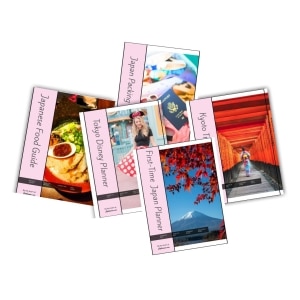
Our Japan trip planners can help. You might like our First-Timers Japan Planner, which will help you plan your trip to Tokyo, Kyoto and Osaka step-by-step, including tips on everything from picking hotels to sightseeing and dining. Or our super-duper Tokyo Disney Planner makes arranging your park trip MUCH easier. Find them in our Planners store – printable and digital versions are available.
Now… Don’t Do The Obvious
From here, it would be easy to slip into the old town of Takayama, which is probably the reason you came here after all, but I chose not to, and you might want to do the same. Here’s why…
If you’re working at the same speed as me, it’s going to be about 2pm at this point and the town will be bustling with people who have come in for the day on tour buses.

One of the nice things about staying in Takayama overnight is seeing the old area without the crowds.
I wanted this to be my first impression of the area rather than viewing it over the heads of a few hundred people (as per the picture above). If you do, too, resist the temptation to go exploring now. Either explore some of the small shops and backstreets on the northern side of the main road, or do as I did and walk further east to the start of the Higashiyama Walking Course aka the Higashiyama Shrine Walk.
Cover Some of The Higashiyama Shrine Walk
The official Higashiyama Shrine walk includes 12 shrines. If you visit all of them, it will take you about two hours to complete, and depending on your level of fitness and interest, it may be feasible to complete it this afternoon. In my case, it wasn’t.

When I visited Takayama, I had a leg problem that limited my walking, so I decided to cheat and do an easy part of the walk.
This allows you to visit ten of the main shrines—Kyusho ji, Unryu-ji, Eikyo in, Daioh ji, Tounin, Senjo-ji, Tenshoji, Hokkeji, Zennoji and Soyu-ji—which are all located next to each other in a less than 1km stretch – but are all surprisingly different.
The two you miss out on doing this mini version are Higashiyama Hakusan Jinja and Higashiyama Shinmei Jinga, which send you up into the hills and increase the length of the walk.
I won’t go into each of the shrines separately here, as it will take too long, but if you want to try the walk, head to our more detailed post on the Higashiyama Shrine Walk.
Indulge in Some Onsen Time
By this point, it was 4 p.m., so I headed back to my hotel to check in and use the onsen.
While Kyoto gets all the headlines for hotels with onsen, many places to stay in Takayama also have public and private onsens.

If you’re staying in one, build a little bit of time into your plan to enjoy them—especially if you’re staying somewhere like Takayama Ouan, where the onsen has the most beautiful view (above) so it pays to visit in daylight.
Click the picture to check prices with Agoda or use the link to try Booking.com
Evening – 5.30 onwards
Visit the Old Town
At 5:30, it was time for me to head to the Sanmachi Suji area of the old town. This is probably the reason you came to Takayama.
These pretty wooden houses have been standing since feudal times. Now, they house shops, cafes, restaurants, and sake breweries.
Shops, cafes, restaurants and sake breweries that all close around 5.30-6 pm.

Arrive after this, and it’s like you’ve magicked the crowds away. When I visited in May, sunset was at 7 p.m., so I also got here in time for the glowing Golden Hour that made everything look even prettier.
I wandered around the three quiet streets with just a handful of other overnight guests, took photos of the iconic red Nakabashi Bridge that spans the river, and enjoyed the peace.
However, for an area that’s bustling during the day, note that there are a limited number of restaurants open in Old Town in the evening. If you don’t have a plan, instead, head to Asahi Machi (a restaurant called Kappa is a good reference point), where you’ll find ramen joints, izakaya, and many other places filled with food and fun.
Day Two
Aim for an early start, as there’s much to do today. Ideally, you want to reach your first stop around 8-8:30 a.m.
Morning – 8-11-ish
Start at Miyagawa Markets
Needs: 20-30 minutes if you’re not a big shopper.
This daily market is open from 8 to 12 every day, but if you’re not an early riser, forget it.
I know this because I did this day a little bit wrong. Despite leaving my hotel early, I got distracted sightseeing, which meant I arrived at the market after 10 am. At this point, either the temporary stalls along the river’s edge had packed up and gone home, or they’d taken the day off from the get go as it was raining.

I’d been particularly looking forward to trying the famous coconut pudding and other goodies as I strolled along here, but without those, I found it all decidedly underwhelming. The only highlights were this fella in his pram and the cute cat carving on the end of Yayoi Bridge.
Assuming you want to see the markets rather than canines in outfits, I advise you to get there early, when more stalls should be open. There are also more permanent shops along the edge of the market, but don’t get too carried away shopping here if you want to tick off everything on the plan.
Explore the Sakurayama Hachimangu Shrine Complex
Needs: 60-90 minutes (shrine and museums). It will take about 10 minutes to walk here from the market.
This was what distracted me.

From the enormous stone torii gate that towers over the walkway toward the shrine’s main entrance to the cute buildings on the walkway to the shrine and all the interesting things in this large shrine complex, actually the most important Shinto shrine in Takayama, I kept seeing things that drew me further and further inside and, as I did so, I also got further and further away from the market.
And then I realised the area was also home to two museums – and they are must-sees. Next thing I knew 90 minutes had gone by… but it was worth it. Here’s what’s in the museums.
Go Inside the Takayama Matsuri Yatai Kaikan
This museum holds four of the twelve floats that perform in Takayama’s twice-yearly matsuri parade. It’s classed as one of the prettiest matsuri in Japan.
If you’re not here during it, it’s great to see the ornate floats up close – especially with the aid of the English audio guide, which helps you understand just how much effort it takes to make the floats and propel them around the city on the day.

The museum is open 9 am to 5 pm every day of the week.
And Sakurayama Nikkokan
This museum is included alongside your Yatai Museum entry. There’s not a lot of information about what you’ll find there, so I was delighted when I walked in to find 28 scale models packed with ornate detail.

The models are all the buildings in Nikko’s famous Toshogu shrine—but in miniature. It’s an absolute delight and not to be missed.
This museum is open 9 am to 4.30 pm every day of the week.
Lunch Time – 11-2ish
Eat, Drink and Shop in Takayama Old Streetscape
You saw this last night while it was quiet and peaceful. Now, enjoy all that it has to offer when it’s open!
It will take about 15 minutes to walk here from Sakurayama Nikkokan.
The area itself isn’t huge, just three short up-and-down streets, but if you want to wander into the shops, grab some street food and try a selection of sake at the Funasaka Sake Brewery (or one of the other three in town), you can easily spend a few hours here.

Remember to try some skewers of Hida beef from one of the stalls in this area. Or pick up a Beef Croquette. I got mine from Jugemu because it was raining, and it was inside with no queue, but you’ll find them all over this area.
You can also try the famous three pieces of sushi, which include raw Hida beef, from Hida Kotto Ushi or one of the street stalls.
Afternoon – 2.30-5 ish
Visit Hida No Sato Open Air Museum
Needs: 60-90 minutes to walk around. Allow a little longer if you do one of the craft classes.
Once you’ve finished in the old town, it’s time to jump on a bus to this outdoor museum, so head back toward the Bus Station, keeping an eye out for shops, small shrines, and interesting sculptures on the way.

At the bus station, catch the Sarubobo Bus to the Hida No Sato Open Air Museum. It takes about 15 minutes to get there, but the buses run at slightly odd intervals, so check the timings to make sure you don’t miss one.
This museum on the outskirts of town contains 30 old Japanese buildings from the surrounding areas that have been collected in one site. If you’re not going to Shirakawa-go on your trip, it’s a great place to see one of the pointy-roofed Gassho houses that this area is famous for.
The museum also offers craft workshops, including the chance to make one of Takayama’s unofficial mascots, the Sarubobo dolls.
The Museum is open from 8:30 a.m. to 5 p.m. seven days a week. To make the most of it, arrive by 3.30 pm at the latest, or earlier if you want to do one of the craft workshops.

Get Cute at Teddy Bear Museum
Needs: 30 minutes
If you’re traveling with children or are a big kid at heart, the Teddy Bear Museum is a fun stop that can be easily walked to from the Open Air Museum.
Depending on how long you’ve spent at the other stops, you might not fit this in, but if you can, it is open from 10 am to 5 pm, seven days a week.
Save Money with Klook & Japlanease
If you plan on buying tickets or tours from Klook for when you’re in Japan, you could save up to 10 per cent by using the code JAPLANEASEKLOOK at the checkout. Click here to see what’s on offer.
T&Cs apply. Some items, including Tokyo Disney and USJ tickets, are not available for discounts.
Evening
Enjoy Dinner
Once you’re finished, catch the bus back to town. If you didn’t get a chance to soak in your hotel onsen yesterday, now would be a good chance – your feet will probably thank you for it.
For dinner, head back to the Asahi Machi area to try a spot you missed later, or eat near the station, where you’ll be spoilt for choice.
As I was staying by the station (see my guide on where to stay in Takayama here), I mostly ate in this area, and I can recommend both Toranoya and Chitose for inexpensive noodle dishes.

By this point on my own trip though I was very hungry. I’d been ill for a few days prior to this and lost my appetite. Now it was back; I felt I needed something hearty – the enchilada at Evil Tex.
This Mexican/burger joint gets very busy, so get there early. As I sat outside while I waited for a table, and it took a lot of willpower not to sprint over the road to the Indian restaurant, which also smelt amazing. There’s also a very highly rated ramen restaurant next door.
Now it’s time to go and sleep off the day!
Adapting the Plan
If you’re coming into Takayama from Nagoya (or anywhere else that doesn’t make it easy to go via Hida Furukawa on the way to Takayama), you’ll want to adapt the plan slightly.
You can either still go straight to Hida Furukawa, where you’ll arrive at about 10.45 and skip something else on Day One to allow for being a couple of hours late, or aim to arrive in Takayama by 10.30 am (the first train from Nagoya arrives at 10.16) and alter the plan slightly.
Once you arrive, if you’re staying near the station, drop your bags at your hotel. If not, leave them in a locker at the station (or, even better, ship them from Nagoya so you don’t have to worry about them).
Go straight to the bus station and take the bus to Hida No Sato. After you’ve seen the museum, head back to the bus station, walk to Kokubun Ji, and follow the rest of the afternoon plan. Or, if you are going to Shirakawa-go, you probably don’t need to do the Hida no Sato museum unless you really want to, so just start the plan at Kokubun Ji.
On Day Two, get up and follow the plan, but, instead of visiting Hida No Sato in the afternoon, you can go to Hida Furukawa.

