
- 10 Affordable Souvenirs to Bring Home from Japan - 24 August 2026
- 23 Things to Do in Kyoto – With Teens - 20 August 2026
- How to Visit Gotokuji – the Waving Cat Temple - 13 August 2026
Bringing home a piece of Japan doesn’t have to mean emptying your wallet. Some souvenirs can cost less than a dinner out. Sounds amazing, right? Let’s go shopping…
Article by Helen Foster. Disclosure: Some links in this post are affiliate links. See our Affiliate Disclosure.
1. Eki Stamps
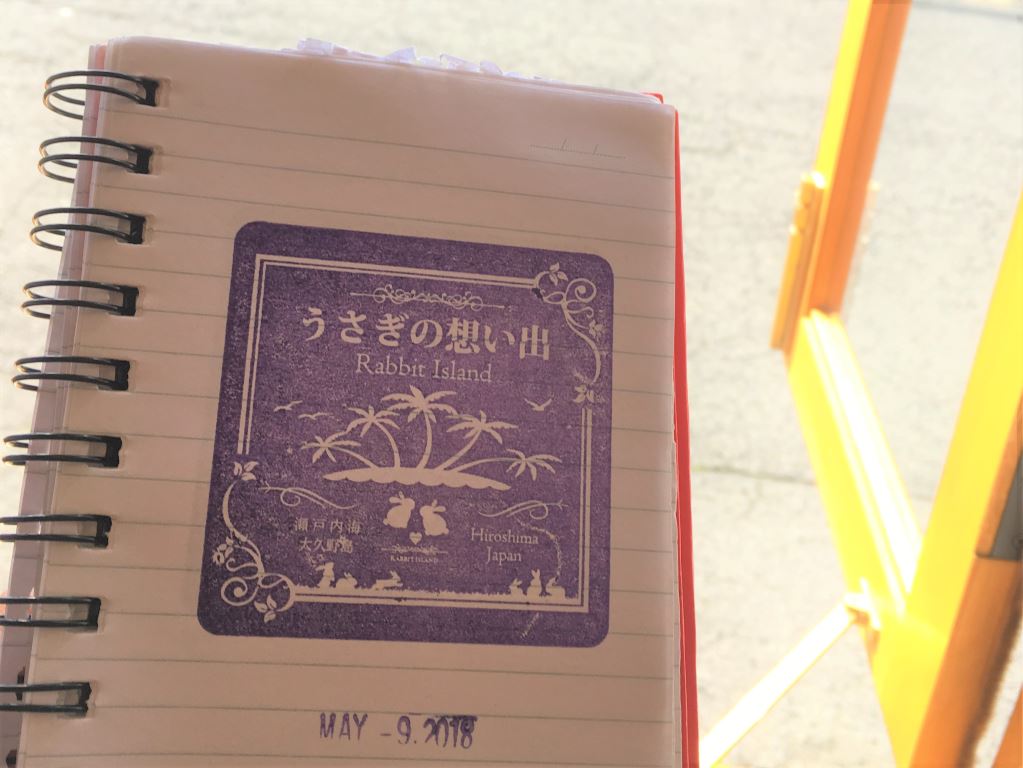
Ink stamps can be found at many stations in Japan, and now also at many attractions – and they are free to collect. All you need to get started is a stamp book, which can cost less than US$10 on Amazon, and off you go collecting your book of memories.
The Stamp Quest app can help you find stamps around the place, or just go hunting.
Another type of stamp to collect is goshuin. These pretty temple stamps also create a beautiful book of memories, but warning: the cost of filling the special book you need to collect them can add up (says the person who is just about to move on to her third goshuin book!).
Read more about collecting them, including the etiquette involved, in our guide to goshuin.
2. Furikake
Furikake means sprinkle in Japanese, and it’s basically a seasoning that you can sprinkle over rice and other dishes to change their flavours. It’s a mix of seaweed, sesame seeds, salt, sugar, and bonito flakes.
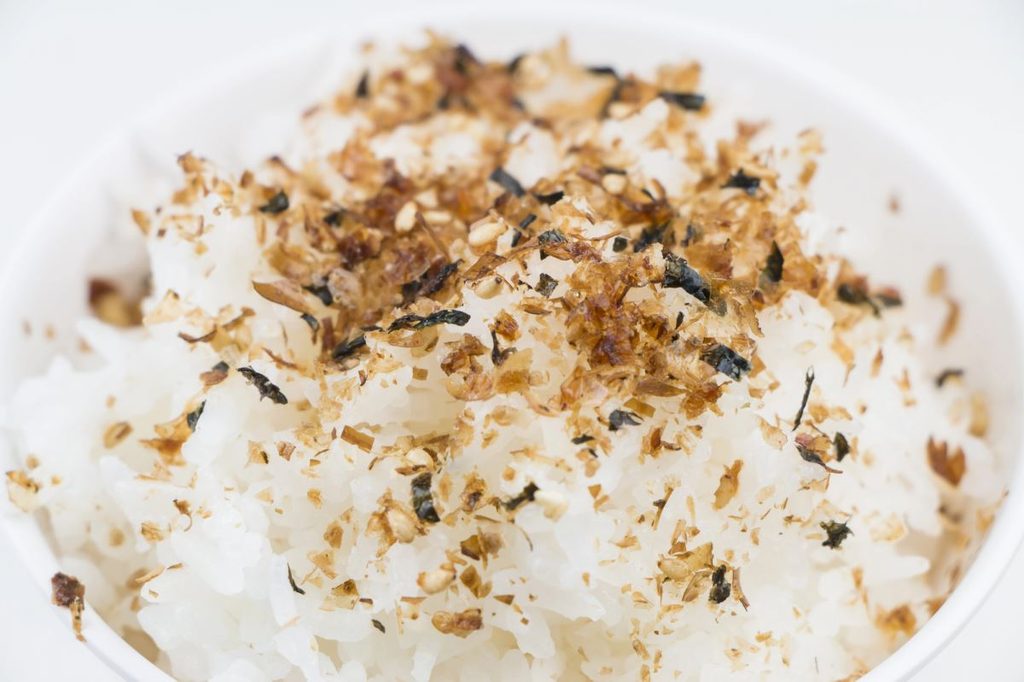
However, the one that people covet is a particular mix from Kyoto called Kyo-rayu Furikake. This also adds Kyoto chilli oil, garlic and green onions to the mix, creating a seriously tasty sprinkle with a kick.
You’ll find Furikake at Ochanoko saisai, a spice shop in Kyoto’s Nishiki Market and other food shops in the city. It’s not always easy to find it in other cities in Japan, so if you are going to Kyoto, buy it there.
3. KitKats
KitKats are incredibly popular in Japan. In Japanese, KitKat is pronounced Kitto Katto, which sounds like the phrase Kitto Katsu, which translates to ‘surely bound to win’ in Japanese, and as such, the KitKat has become kind of a good luck charm in Japan.
But they don’t just stick to the plain chocolate biscuits most of us are used to – Japanese KitKat varieties are like an experiment in a flavour factory! Sake, wasabi, cheese – you name it, at some point someone has turned it into a KitKat! And these unusual flavours make for fantastic presents.
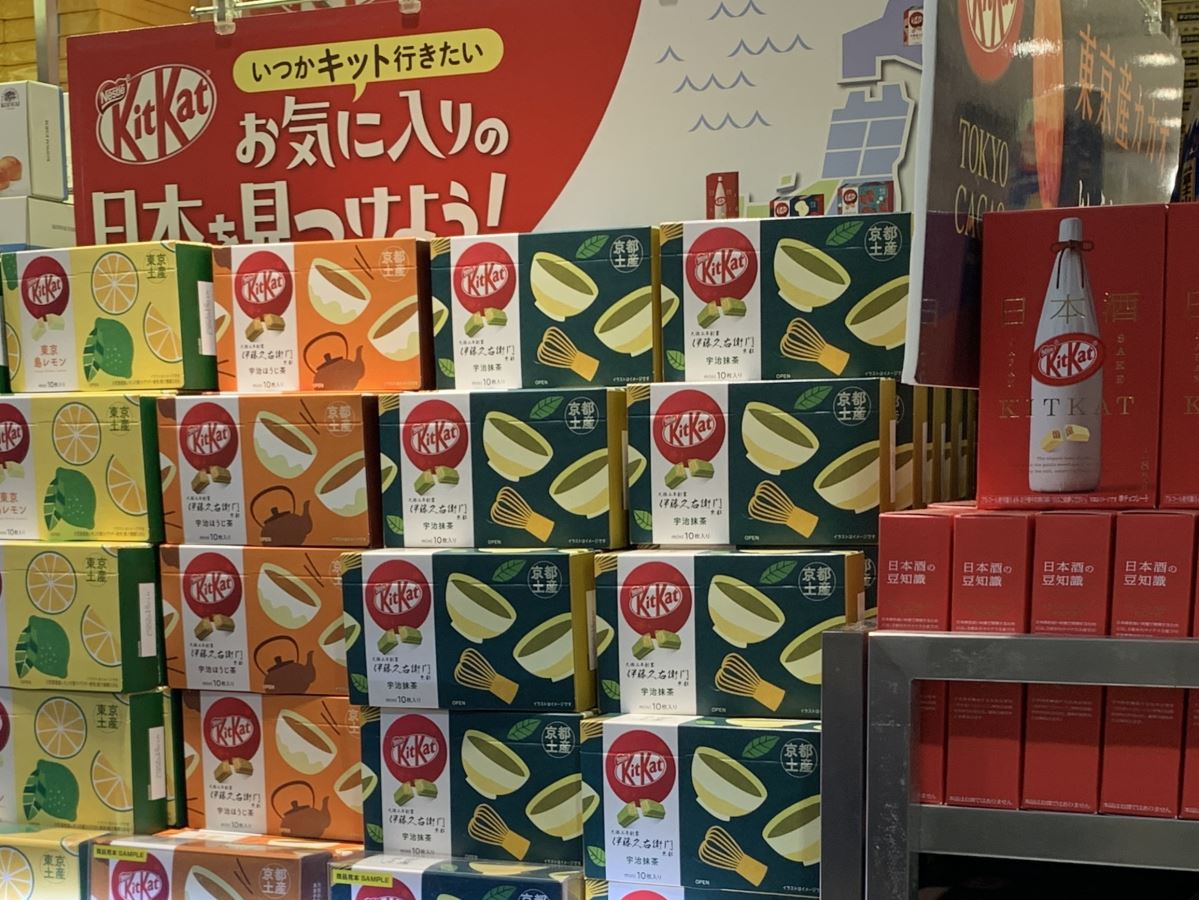
The best places to find unusual flavours are Shokoku Gotochi Plaza, under Tokyo Station (full directions for the exact shop are in our guide to where to buy KitKats) and the KitKat Chocolatory in Yokohama. It’s right near the Cup Noodles Museum.
Also look out for other Japanese chocolates – Royce fresh chocolates are highly coveted (but need refrigeration, so check the storage advice carefully), and I come home with at least two packets of Crunky in my bag every time. Also look for traditional Japanese sweets known as wagashi. Buy these in a specialist shop, and they can look like works of art.
4. Chopsticks
Walking into a Japanese chopstick shop is an amazing experience – you really won’t believe the different range of colours, woods, designs, and prices.
Picking up a set on your trip will remind you of your trip every time you use them at home – plus, they’re very easy to pack!
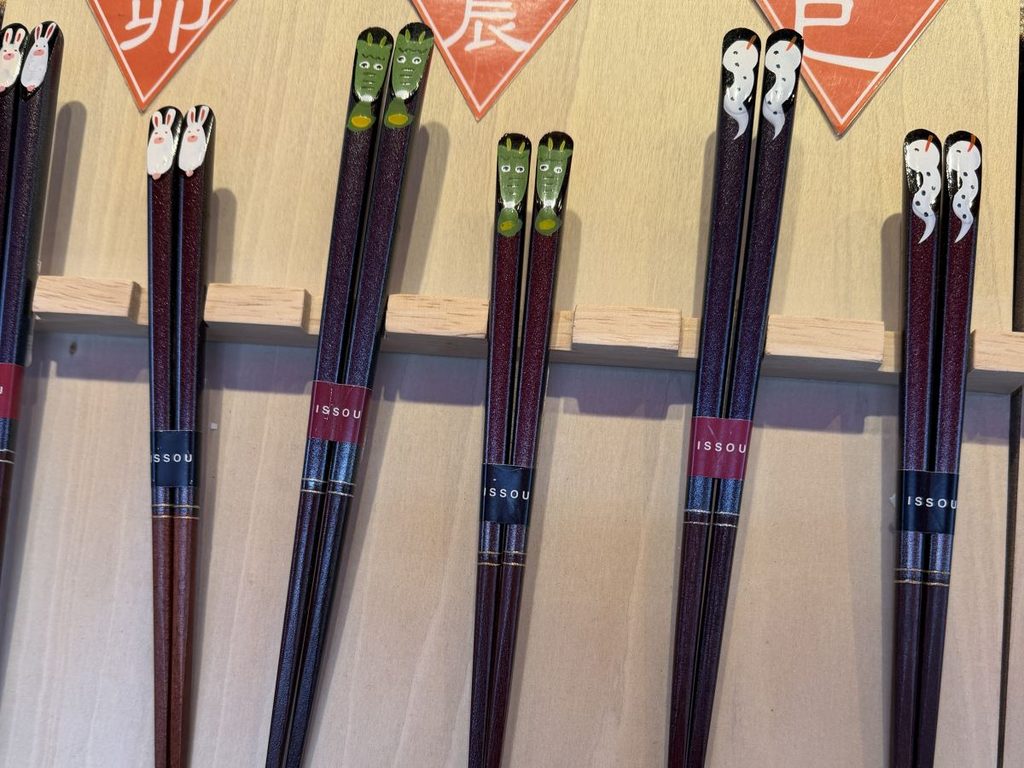
Some shops will also engrave them with your name (or that of the person you are buying them for). Depending on the shop, this might be free or charged.
Or, join a chopstick-making class and create your own personalised ones. On that note….
5. Kintsugi Bowls
Kintsugi is the Japanese art of mending something broken to make it look beautiful again – and you can now join classes that let you create your own one, and they make a beautiful souvenir.

The class I did cost less than US$10, and I have a very cute bowl with a crab on it that sits on my ‘special things’ shelf in my office. See more about the class I took in this longer review.
If you’re going to Kanazawa on your travels, you can also make a lot of other crafts using gold leaf as it’s Japan’s gold leaf centre. See more in our guide to crafting in Kanazawa.
6. Tenugui Cloths
One complaint about Japan from tourists is that public bathrooms can lack ways to dry your hands – and one reason for this is that Japanese people carry their own mini towel called a Tenugui.
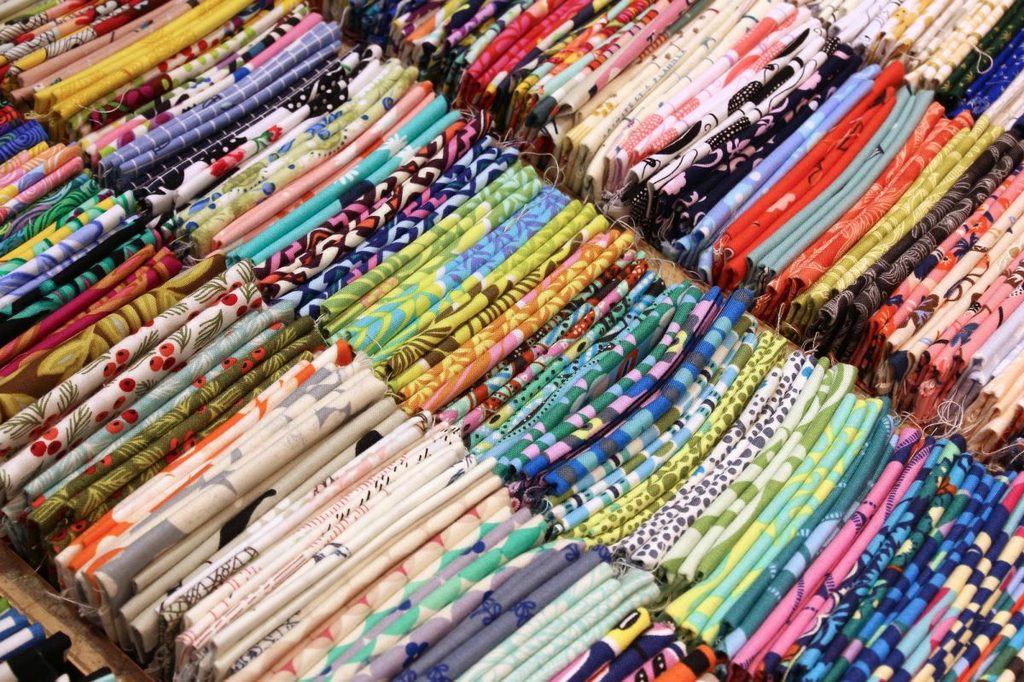
They come in all sorts of fabrics, colours and designs – I have an Eyeore one that I bought at Tokyo Disney and a Shibu Inu one that I bought at Edo Wonderland.
Lightweight and multifunctional, they make an ideal keepsake or gift. Bonus: they take up next to no space in your luggage.
The Surprising Thing to Buy
Okay, so it’s not a gift you’re going to want to bring home for friends, but pick yourself up a pair of Japanese nail clippers on your trip and thank me later – especially if you are, or have ever been, a long-distance runner and have the toenails to show for it!
I bought mine at the local pharmacy, and they are amazing.
7. Secondhand Kimono
While a new kimono can cost hundreds of thousands of yen, secondhand ones can be picked up for a few thousand. One of the best shops I’ve found is in the basement at Nakano Broadway.
It’s heaving with beautiful fabric robes and all the accessories, plus they have a huge men’s section containing haori (a type of jacket) and hakama (a pleated bottom garment that’s kind of like a cross between a skirt and trousers).
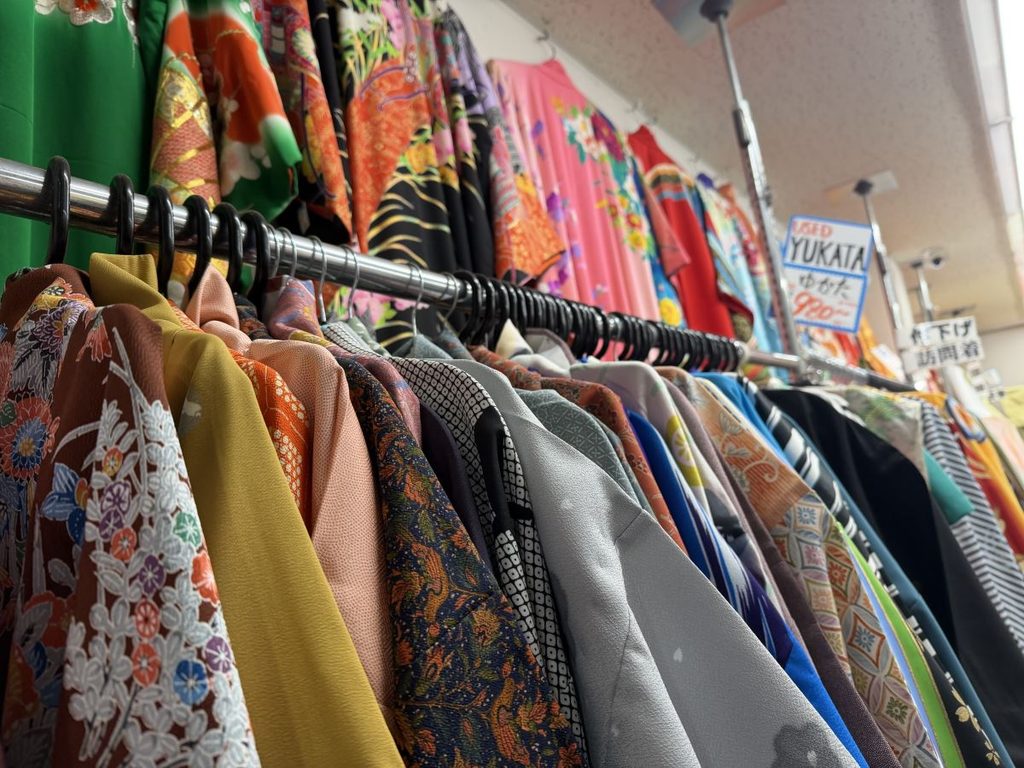
The shop is called リサイクル着物三喜屋, but if you can’t enter that into Google, simply enter Nakano Broadway at the south entrance you come to if you walk up through the Nakano Sun Mall. Once inside, walk straight ahead for a few minutes; you will see a sign for the basement and an escalator on your left. Take this, and it should bring you out right by the shop.
Nagoya’s Osu shopping district is also another great place for bargains – spot the yukata in the picture above for 980 yen.
8. Gachapon
Machines containing these balls with plastic toys are found all over Japan. The designs of the toys are amazing – you’ll find everything from hats for your cat to small plastic figures of pooping animals!
Even if you don’t think you are a gachapon person, spend long enough walking around a shop, and you will find something that appeals to you – or a friend.
However, watch out!
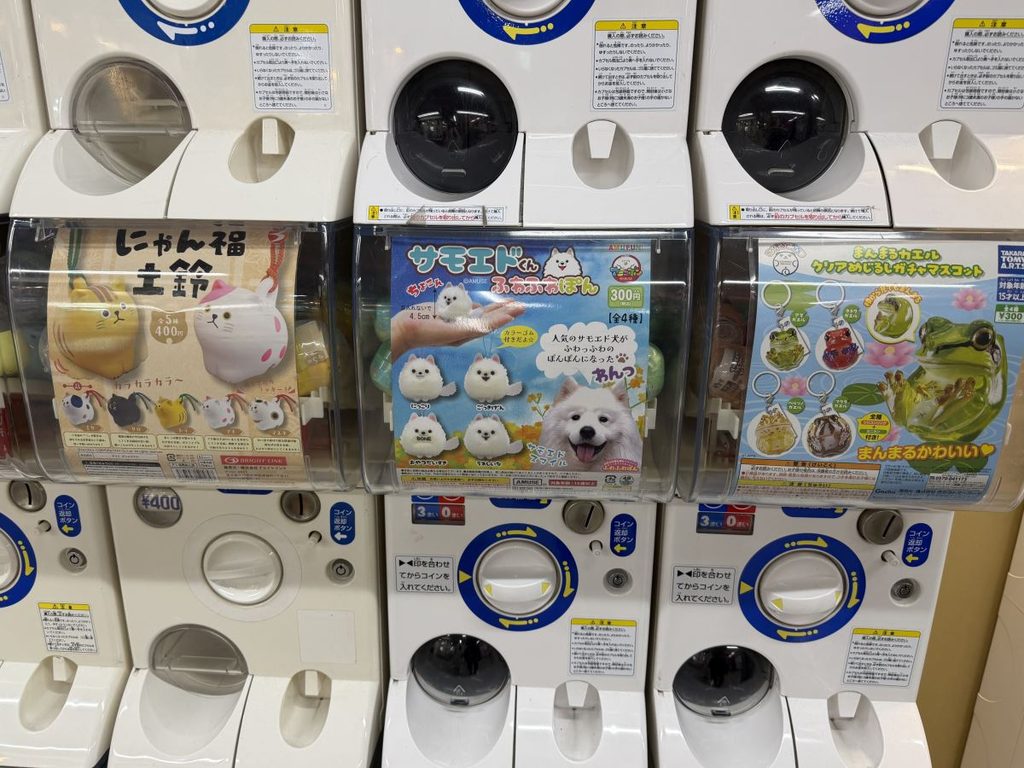
The sneaky thing is, the toys come in sets of five or six designs – and you don’t know which of the set you are going to get until they pop out of the machine. You might have your heart set on a capybara in a bath, but get the bathing cat instead – and then what do you do? Take your cat and run, or pump in another few hundred yen in the hope that you get the capybara (ahem, guilty as charged).
Okay, so individually these are cheap – a few hundred yen – but, like collecting goshuin, you can develop quite the habit. Don’t say I didn’t warn you!
See more about collecting gachapon in our guide.
9. Japanese Stationery
My to-do list is currently written on a notepad shaped like a squid. I also have one shaped like a cat and some Disney-themed pens that make even my ‘spider crawled into the ink pot’ inspired writing legible – and we haven’t even got onto the quality of the paper.
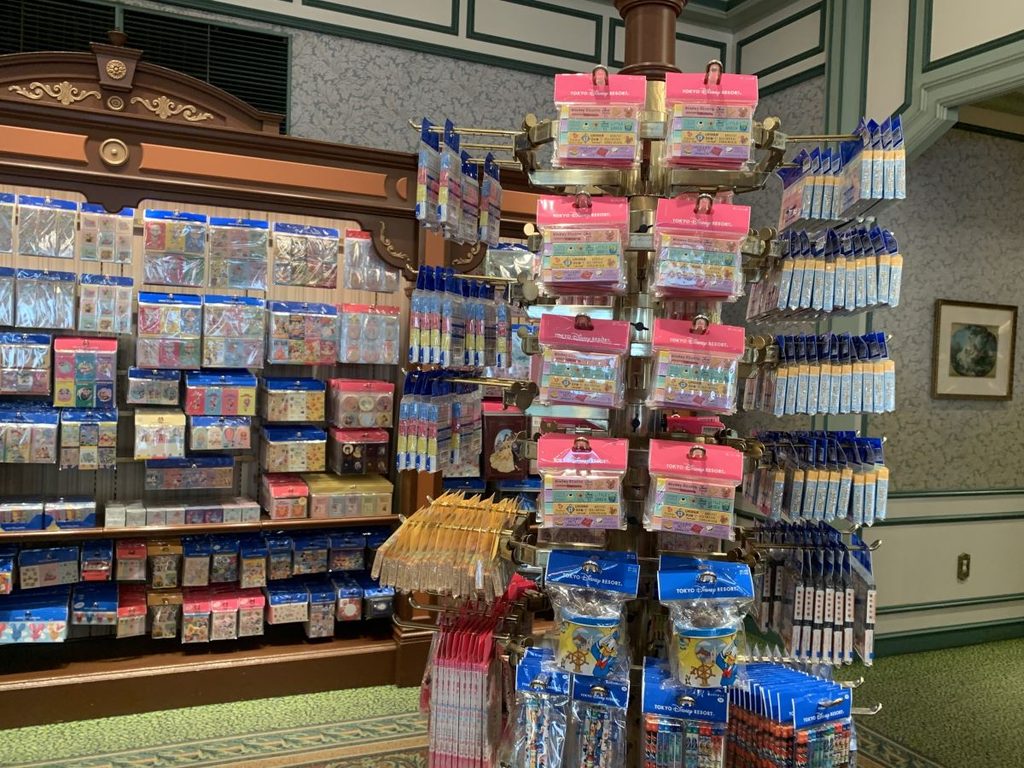
If you love stationery, you are going to want to hit up a Japanese stationery store on your trip. Itoya in Ginza is the mothership, 12 floors filled with notebooks, pens, calligraphy brushes and more.
But also look in general stores like Daiso, LOFT or Hands, which can have good stationery departments – I picked up my fun squid notepad in a 100 yen store. I am also obsessed with the stationery store at Tokyo Disneyland!
10. Japanese Bath Salts
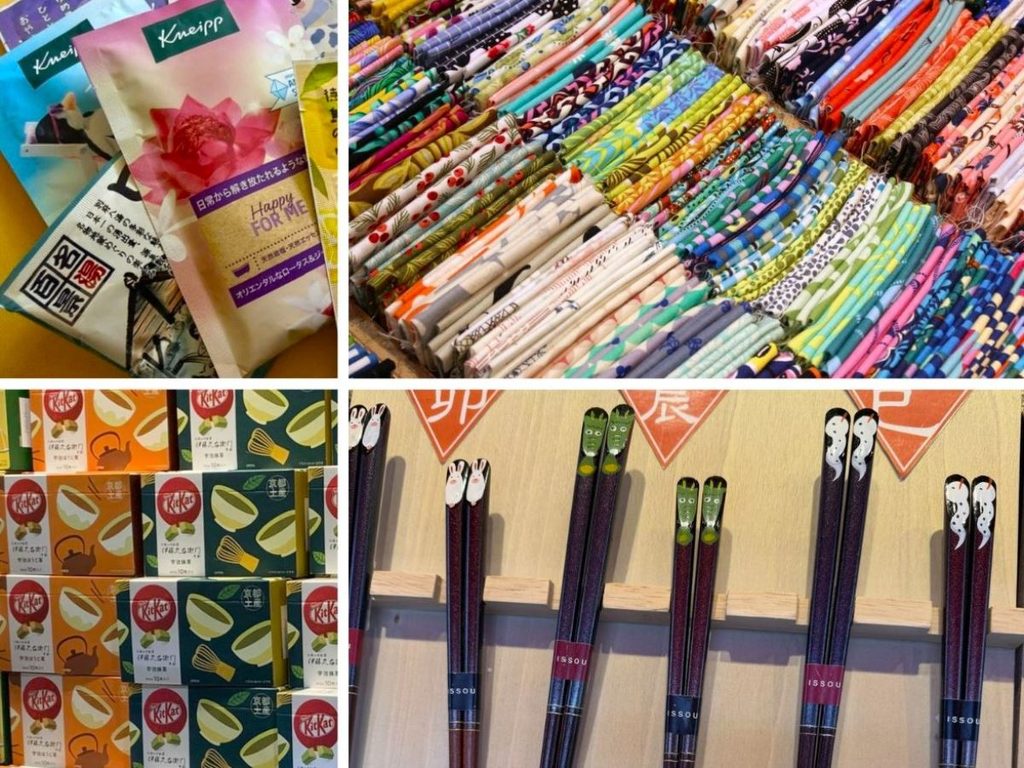
I am not a big shopper, but I have two weaknesses – stationery and bath products, and Japanese bath salts are the one thing I bring home from every trip.
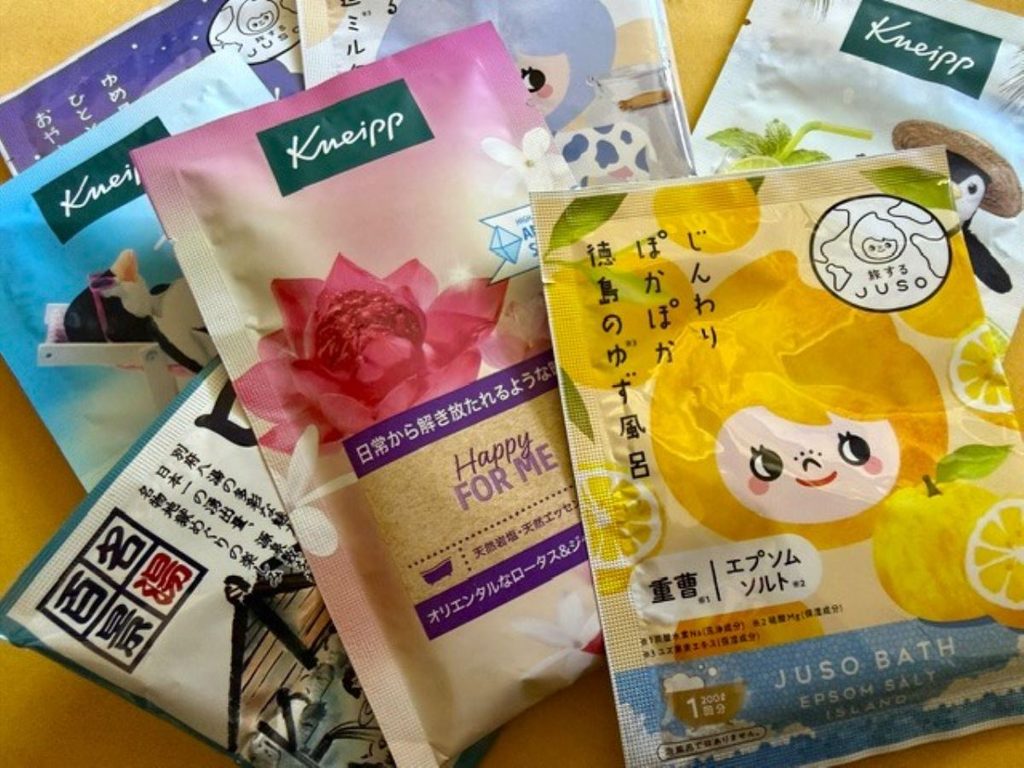
They cost a couple of hundred yen a packet, and they have super cute or interesting packaging – most of which is totally incomprehensible if you don’t speak Japanese. Why does it have a penguin on it? Is it going to make me cold? Where is Epsom Salt Island? Why does that translate to gas bath? Why is my packet of bath salts ‘Happy For Me?’
Admittedly, it can be a bit of Russian roulette with the scents – something I thought would smell like a lovely spa day was more like bathing in an operating theatre- but for 200 yen, I’m willing to find out.
I usually buy mine from Hands, which has a huge beauty department full of all sorts of quirky things, or the selection in the picture above came from a Welica pharmacy next to my hotel.
So there you have it – 10 things to bring back from Japan for just a few hundred yen a piece. Don’t get too carried away, though, or you’ll wipe out your savings buying a new bag to bring it all home.
Who Writes This Blog?
My name is Helen Foster, and I’m a journalist and author. My travel articles have appeared in publications including The Australian, Escape, RAC Horizons, Jetstar Magazine, Sainsbury’s Magazine, and more.
I’ve travelled to Japan nine times before – solo and with my partner and visited over 50 towns and cities. My last visit was in April 2026, so everything here is pretty up to date.