
- Navigating Japan with Mobility Problems - 4 November 2026
- How to Get to Kawaguchiko from Kyoto or Osaka - 28 October 2026
- Famous Mount Fuji Photo Spots – And a Few New Ones To Try - 27 October 2026
If you’re suffering from aches and pains, or issues with backs, feet or legs, Japan can sound a bit daunting – but here’s what I learned travelling to the country multiple times before my own joint replacement.
The step counts people do in Japan are legendary – 15,000, 20,000, 35,000 – and, while moving that much every day of your trip will give any one some added aches and pains, if you are arriving in Japan with limited mobility anyway, you might be wondering if you’ll keep up. So, this is the post for you.
Article by Helen Foster. Disclosure: Some links in this post are affiliate links. See our Affiliate Disclosure.
What Gives Me the Experience to Write This?
I travelled to Japan multiple times with severe osteoarthritis. My trip in November 2024 took place two weeks before my hip replacement.
I admit, I was lucky to some extent – I didn’t have a lot of pain, I mostly limped severely and tired easily as walking was such an effort. I also couldn’t squat down so, had to kneel on the floor to do things like meet the famous residents on Bunny Island!
However, saying this, I did travel with an ever growing care kit of painkillers, pain distraction patches and spiky balls.

Article by Helen Foster. Disclosure: Some links in this post are affiliate links. See our Affiliate Disclosure.
My main issue though was that I was extremely fearful and didn’t trust my leg – this caused more problems than the impaired mobility itself – not least as it meant I developed a phobia of escalators!
Even with all of this going on, I could stil walk a lot – but, considering it’s not unusual for me to crank out 21km a day in Japan (and I have done that since my surgery), even the 10-15km a day I was doing was seriously under my normal potential. I only realised how much I had limited myself when I went back on my last trip fully mobile again.
The tips here therefore aim to take the pressure off your body a bit, and explain what I found difficult from my own experience. You’ll need to pick and choose those that will help your own situation best. This is no substitute for advice from your own care team, they and you know your own body better than I do.
1. Understand the Medication Rules
As I said, I was lucky, my pain was niggly and annoying but not serious, I could manage it on paracetamol, but, if you do need to take stronger medications, make sure you know the rules on importing medicines into Japan. They are strict.
Stronger opiate type painkillers, even some you can buy OTC overseas, may need a permit to legally be brought into Japan. The good news is, that if you have this they usually can be brought it Japan.

This is the website you need to visit.
Go onto it, check the ingredients in your painkillers (and any other meds) against the list of restricted ingredients. If they appear follow the steps on the site to get your permit. Leave plenty of time so you aren’t stressing about things. Do not just try and carry in meds on the list without the proper paperwork – if you get caught, you can be detained, fined and deported.
2. Know the Local Helpers
I didn’t really want to take a lot of medication for my problems, but that was okay, as I realised that in Japan, you don’t have to. They have a huge range of pain controlling patches!
Now, some of these are medicated and I steered clear of those as I didn’t know doses etc – but, what I did use were Salonpas. These have no drugs in them – they simply use menthol which slightly irritates the skin, and this scrambles the pain signals. I did find they made a difference.
I also applied the famous Pink Patches at night. These cool the skin, and my hip loved being cold.
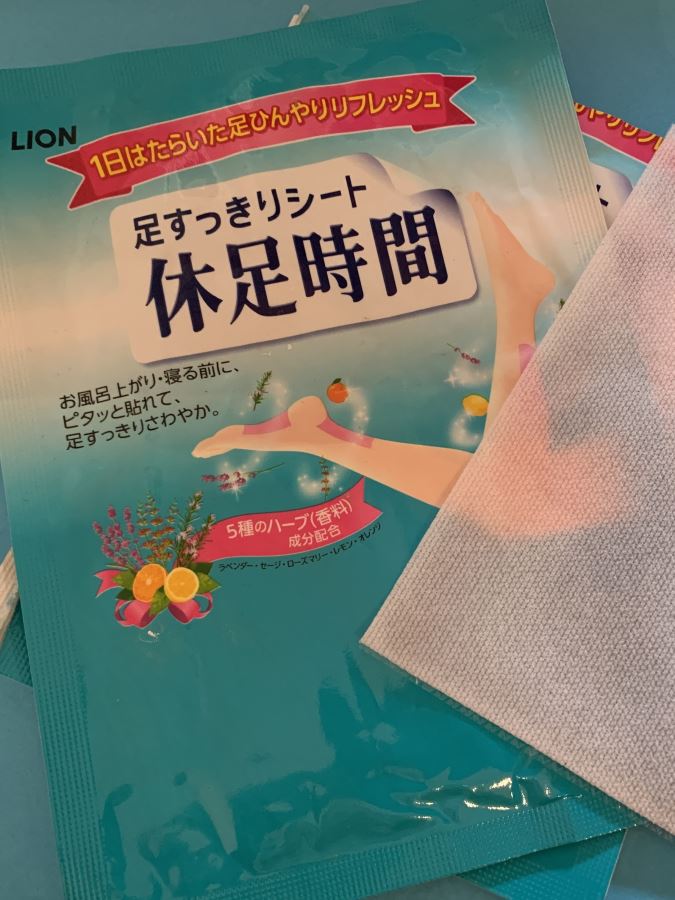
Japan is also full of fantastic massage gadgets. There is a shop called Hands (although sadly, many branches are closing) that is a multi-level extravaganza of everything you need to buy in life – and one day, I discovered their massage tools section – five minutes of trialling products later, I had released all of my stiff muscles.
I was so impressed, I actually ended up buying one of these, a massage stick like this one, which then accompanied me on many trips as it’s very easy to pack (and my case isn’t much bigger than carry on).
I also travelled with a spiky ball which took the knots out of my back when I got back to the room.
3. Don’t Overpack Your Itinerary
Take time to rest and recuperate – that might mean going back to your hotel for a couple of hours between sightseeing and dinner – or, leaving entire days free to just see how you feel.
It doesn’t mean you need to sit in your room if you feel okay, but, it gives you the option to just take a step back and breathe.
The Japanese actually have concept called Ma which is all about finding joy in space and it works as a way to breathe during your trip too. Read all about Ma here.
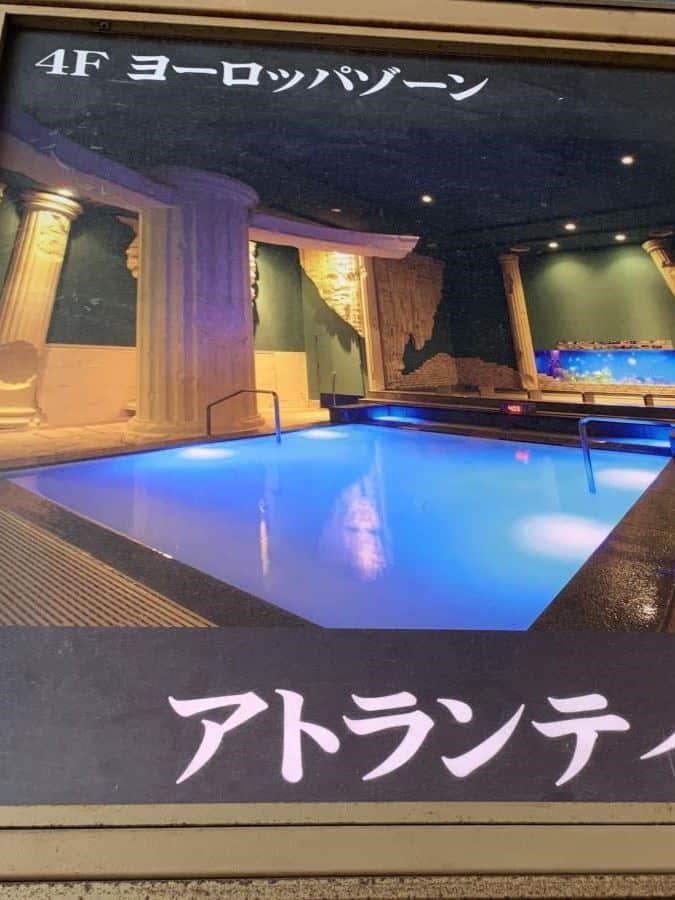
On the trip before I learned all these tips, I had two moments where I crashed and burned – the first was when I was in Osaka and I took myself off to the Spa World complex and spent a few hours sitting in hot and cold baths.
The second I was in Asakusa. I decided to stay in the hotel and relax, however, what I didn’t realise was the Sanja Matsuri, Asakusa’s biggest festival, was happening right outside my hotel. I actually ended up watching it steps away from my hotel, and at one point I was surrounded by chanting yakuza and getting an up-close view of their tattoos.
It was a once in a lifetime experience and if I’d stuck with my original plan, I’d have been on the other side of Tokyo limping around in pain. Unplanned days don’t have to be a disappointment.
4. Keep Your Case Small and Light
As I said, my case is only a bit bigger than carry on yet I would still try to keep it under 7kg.
While some of the other tips in this piece will help limit the amount of times you need to carry it up and down stairs, you would be very lucky to avoid them entirely.
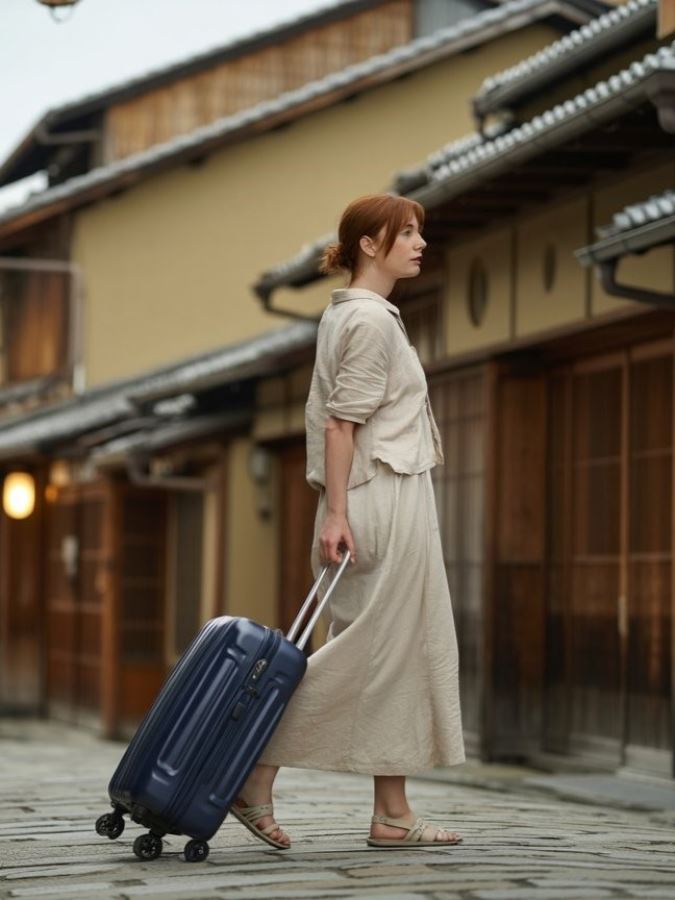
This is an AI image
The lighter and smaller your case the better, especially if like me, you need to use a handrail going up and down stairs so only have one arm to carry things.
Feeling stable and balanced in this situation is much easier with a small case.
If you have trouble packing light, our packing guide might help.
5. Use Buses for Local Journeys
Everyone in Japan goes on about the trains – and yes, they are incredibly efficient. But the problem with some trains in Japan is that you can take 2-3000 steps just getting from the hotel to your platform, and the same again getting out of the exit. That’s a lot with a pain problem.
Buses don’t require so many extra steps. You find the stop, you stand there, you get on and this can save your legs.
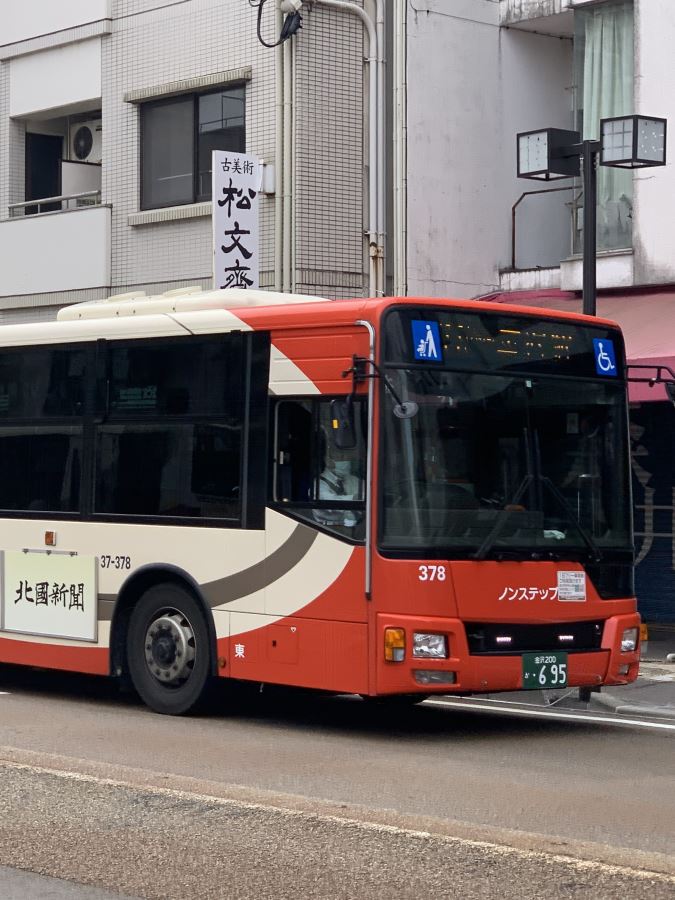
I admit it can feel a bit scary using a bus in a country where you don’t speak the language, but, in Tokyo, for example, the buses are all a flat fee and the signage is in English. In Kyoto, you can tap on and off with your transport card and it works the fare out for you – and again, signs are in English.
We have guides for buses in some other cities to help you understand how they work in our Getting Around Japan section.
Google Maps may not show you buses as options when the train is quicker, but you can adjust the settings to show you buses as your priority method. There’s a box below that explains what to do if you haven’t done this before.
6. Budget for Taxis
They cost a bit more than buses and trains, but, sometimes the expense is worth it. Again, you might be a bit worried about the language barrier – but this is where apps come in.
The Go Taxi and Uber apps allow you to put in your pick up point and destination in English. They also give you a fare and allow you to pay by the card you have linked to the app.

Download and set these up before you leave.
Admittedly, the apps don’t work in every part of every city – I was trying to get a cab in a less busy part of Takayama to no avail. In this case, you can hail taxis on the street. But remember that in a strange quirk, a free taxi in Japan has a red light, not a green one.
Keep a card with your hotel address on in Japanese to show the driver.
7. Save Your Legs for What’s Important
Before I broke, I used to walk everywhere I could in Japan – if it was less than an hour’s walk to my next stop, I’d do that rather than catch a train or bus as I enjoyed wandering the side streets and just seeing what I found. Once my leg got bad, that had to stop.
I would travel by public transport to the thing I was going to see and save my steps for once inside, it meant I never really felt like I missing the big sights at least. This was also another reason why I liked buses – at least I could see the world go by.
8. Set Google to Wheelchair Accessible
Most Japanese stations have easy to find stairs and escalators in and out of the platforms.
However, if like me, you can’t use them because of your mobility issues, or, if you’re carrying luggage, it can be tricky to find the lifts.
Setting Google Maps to wheelchair accessible will direct you to the quickest the stair-free route.
How to Change Google Maps
- Open the app
- Put in a journey and select public transport
- You’ll see an icon in a circle with what looks like T’s in it. Press that
- This lets you customise your results. You can select bus as priority, or, pick Wheelchair Accessible to avoid stairs.
It might not be the shortest route so you might have to weigh up when it would be better to tackle a set of stairs vs having to leave the station at an exit the wrong side of the road from where you need to be – but, it does help.
9. Be Cautious of Stairs
As I said, the main debilitating issue I had with my own leg was that I was terrified of falling. I also found it hard to push up from that leg – this made stairs fun, and a faintly terrifying prospect if they didn’t have a handrail.
And some don’t – particularly in shrines and temples, but Japan also has a fun way of sneaking in rails that stop a bit before they should!
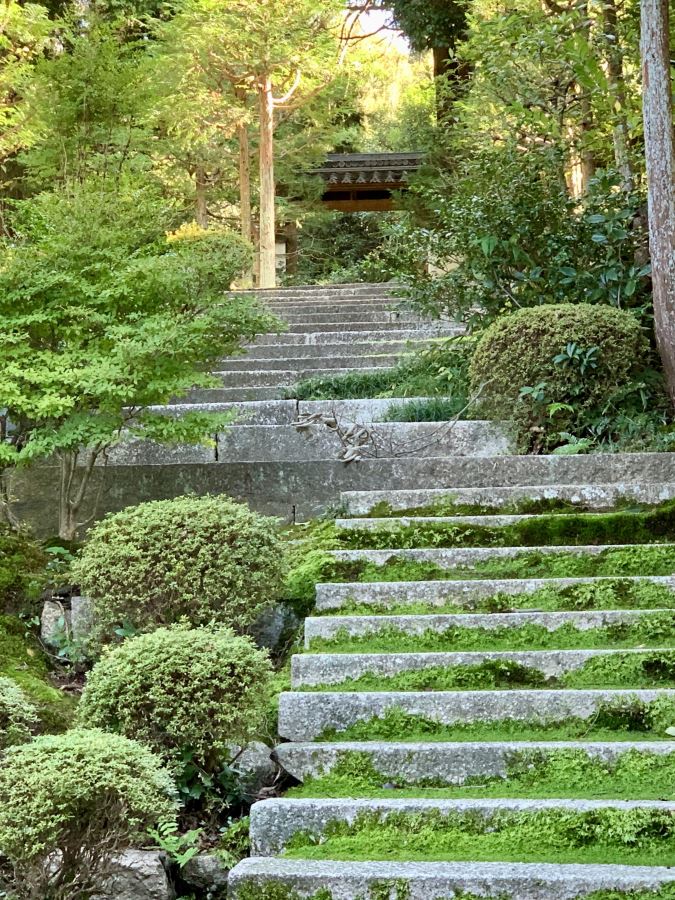
If you are travelling without someone to hang onto, just scope out the railings before setting off – said the person who had to be pulled up the last couple of stairs in a random spot in Tokyo (not my finest hour) and hang onto a random stranger while navigating my way down from a spot at Daishoin in Miyajima.
10. Use Luggage Shipping
This is one of the things that made travelling around with my mobility issues much easier. Instead of trying to deal with limping up and down stairs carrying a suitcase, I booked luggage shipping.
This meant on check out day, I left my main bag at my hotel reception and it winged its way around Japan without me arriving at my next hotel about 24-36 hours later.
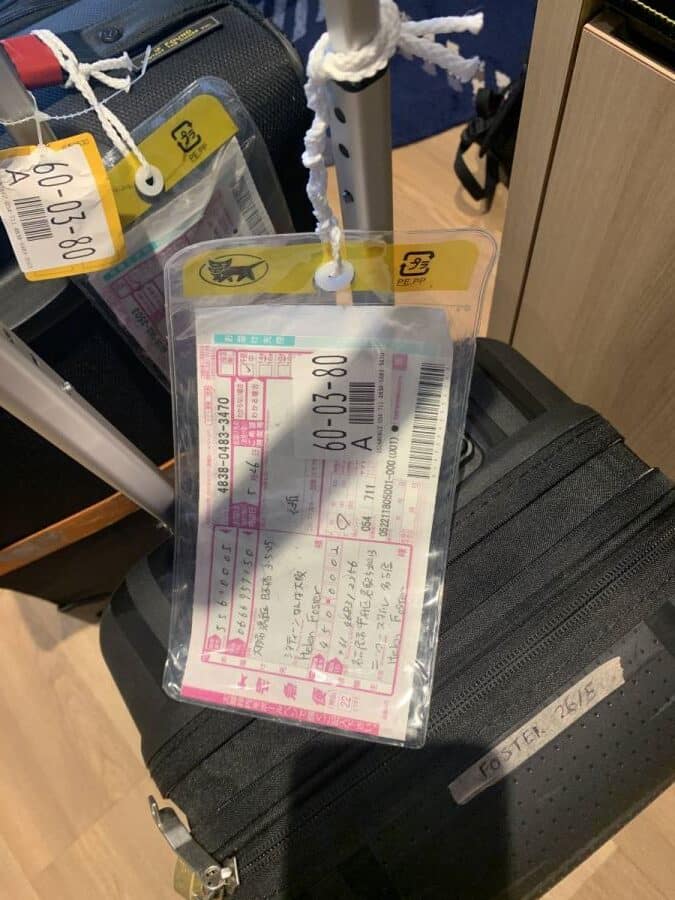
In the meantime, I’m travelling with overnight essentials in a tiny tote bag weighing about a kilo.
This article explains how the luggage shipping system works. If you are moving hotels on your trip, it will change everything.
11. Think About Your Shoes
You may have to take them off and on, and if you find that tricky to do – especially standing up, you might want to choose a pair that slip on and off – or pack a small shoehorn to make things easier.
There are some shrines and temples in Japan that I have no been inside because by the time I got there, I could not face trying to deal with my shoes.
12. Don’t Blindly Book a Ryokan
These traditional style hotels are gorgeous and atmospheric, and can be a beautiful experience – however, depending on your particular issues, they may also be an absolute pain to navigate – literally and figuratively.
Beds at floor level that you need to get up and down to, hard surfaces to sleep on, old wooden floors that they ask you to traverse without shoes (my own personal bete noire), chairs on the ground with low tables, and a lack of lifts can all be a problem.
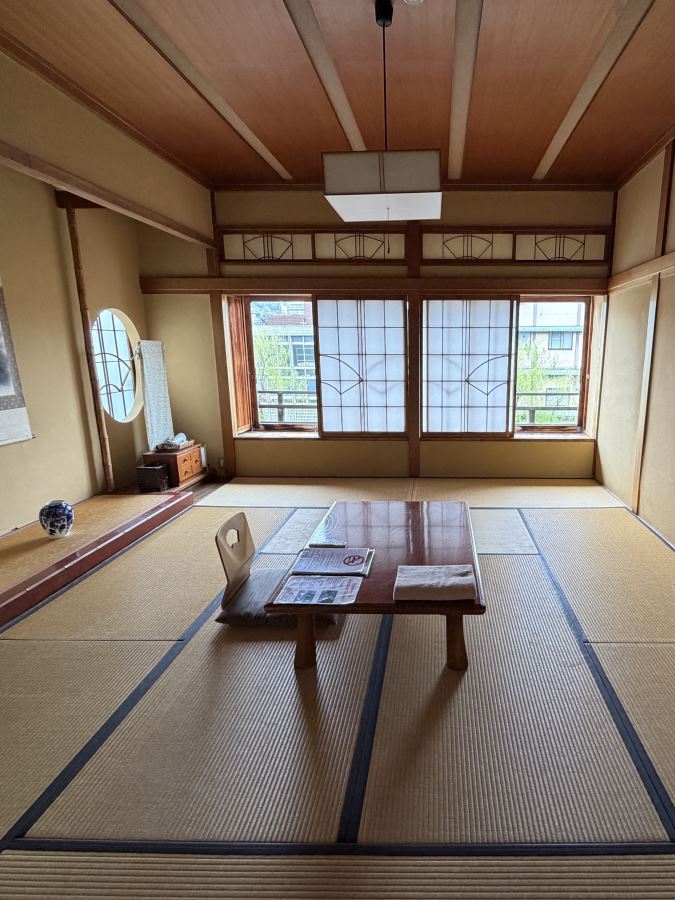
I’m not saying don’t book one at all – but, maybe have a look at my guide on what to watch out for when booking a Japanese hotel room to make sure you book one with the right set up for you.
13. Read the Bed Reviews
I have never slept on harder beds than in Japan – there was one in Toyama where I actually had to sleep on the duvet to try and create some cushioning for my hip.
The Japanese business chains tend to be the worst for hard beds as they aim at a local market. If you can’t sleep on a firm bed – make sure you read reviews carefully.
Oh, and while we are talking about Japanese hotel chains – note, most of them have the shower over the bath so, if it’s hard for you to climb in and out of this arrangement, check the bathroom pictures too.
14. Book a Bath
One thing I have noticed, is how much difference having an onsen in the hotel – or even a bath in my hotel room, makes to how well I recover at the end of the day. On my last trip, even though I’m now competely mended, I had a week long run where I only had rooms with showers and I really felt it by about day four.
If you don’t have an onsen or a bath, and are suffering a bit, look to see if there is a sento nearby. These are neighborhood bath houses – the difference between them and an onsen is the source of the water. An onsen has water from natural sources, while a sento is just hot water.
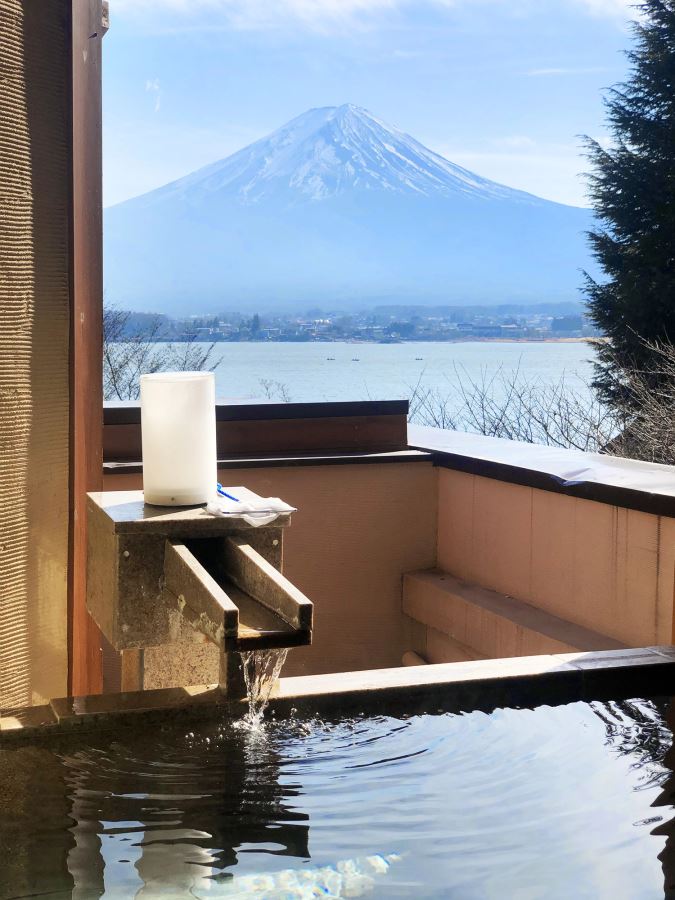
Like an onsen, you go in naked (and you need to follow onsen etiquette) but if you are in a city like Tokyo or Osaka where onsen water doesn’t naturally flow nearby, they are a great way to soak away some aches for an hour – and it’s a fun local experience.
My favourite moment was when I was at the Akebono-yu sento in Asakusa when my hip was bad. I couldn’t bend my leg to put my socks on at the best of times – and I was trying to do it standing up. I was flicking the sock toward my foot hoping it would catch on my toe (IYKYK) when one of the local ladies spotted me. She came over and shuffled me toward the only chair in the space – which was an old fashioned hair dryer with a drying cap. There was a lot of arigatou-ing that day, trust me!
15. Know Where You Can Sit
Talking of finding places to sit down.
While everyone talks about the steps in Japan (and a few smug people like to mention how 10k isn’t many and how they do that before breakfast on a Wednesday) I actually think what tires you out in Japan is the combination of lots of steps, day in, day out – and barely sitting down in between them.
Japan is not a sit-friendly society – there are very few street benches around. Now, I admit, some tourists are just sitting anywhere, and this is upsetting the local people, so just be aware, that unless you absolutely have to, it’s not the done thing to sit on kerbs, stairs, walls or steps.
I did however find that there is often somewhere to sit in shrines and temples. I also used to build in stops for coffee and cakes (any excuse) to rest my legs.
One thing I found helpful when I did have to take the pressure off my leg (I remember waiting for a friend in Osaka once where I was resting on a bollard) was just saying ‘itai desu’ and pointing at my leg. It’s by no means accurate Japanese but it will tell them that you have some pain and people were generally pretty understanding.
Some people in my Facebook group are also carrying fold up stools like this one, just remember to use them well out of the way of busy areas, especially in Tokyo and Kyoto where the crowds can be huge.
15. Understand DAS Passes
If you’re going to the theme parks on your Japan trip, this can change your day from good to great! Both Tokyo Disney parks and Universal Studios Japan have systems that allow people who can’t stand in queues to wait somewhere more comfortable.

It says everything about how in denial I was about my own issues that I didn’t even think to apply for one of these, the picture above was taken about 16 days out from my surgery. I can see the slightly pained expression I had the whole time now I look at it.
Instead, I just adapted my day so I didn’t go on anything where I would have had to stand for more than my threshold.
Don’t be as daft as me – if you think you would benefit from one of these passes, apply for it.
Our guide to DAS at Tokyo Disney is here, and the one for the Guest Support Pass at USJ is here. They tell you everything you need to know.
16. Get a Check Mark
This red and white tag is available at stations and it tells those around you that you might need a little bit more help and support – or a seat on the train!
This article from Accessible Japan (which is generally a great resource for navigating Japan with mobility concerns) explains where to get one.
And I think that’s it – all the tips that got me around Japan with aches, pains and a pronounced limp. Remember, though, my body is not your body so listen to your care team and what your own experience is telling you it needs when you travel.

Who Writes This Blog?
My name is Helen Foster, and I’m a journalist and author. My travel articles have appeared in publications including The Australian, Escape, RAC Horizons, Jetstar Magazine, Sainsbury’s Magazine, and more.
I’ve travelled to Japan nine times before – solo and with my partner and visited over 50 towns and cities. My last visit was in April 2026, so everything here is pretty up to date.