- What to Do in Kawaguchiko – When You Can’t See Mount Fuji - 21 October 2026
- Kennin-ji: Kyoto’s Temple for Art Lovers - 19 October 2026
- How to Watch the Oiran Parade at Edo Wonderland, Nikko - 15 October 2026
Nara is one of the most popular day trips you can take from Osaka and Kyoto, but how should you schedule your day to get the most from it? Here’s my guide.

Article by Helen Foster. Disclosure: Some links in this post are affiliate links. See our Affiliate Disclosure.
Start Early
If you can get to Nara early in the day you will beat the crowds of other day trippers – and, meet the famous deer before they get too excitable. I would say to arrive here by 9 am at the latest, but, the earlier the better if you want to see our first few stops with limited crowds.
There are two stations in Nara – which you choose to travel to might depend on where you are coming from; however, if you get the choice, Kintetsu Nara is closest to the sights on this list.
If you do come into JR Nara, though, there is a handy, tourist-friendly bus service that will take you to where you need to go.
Start at Kasuga Taisha
Time needed: 1-2 hours
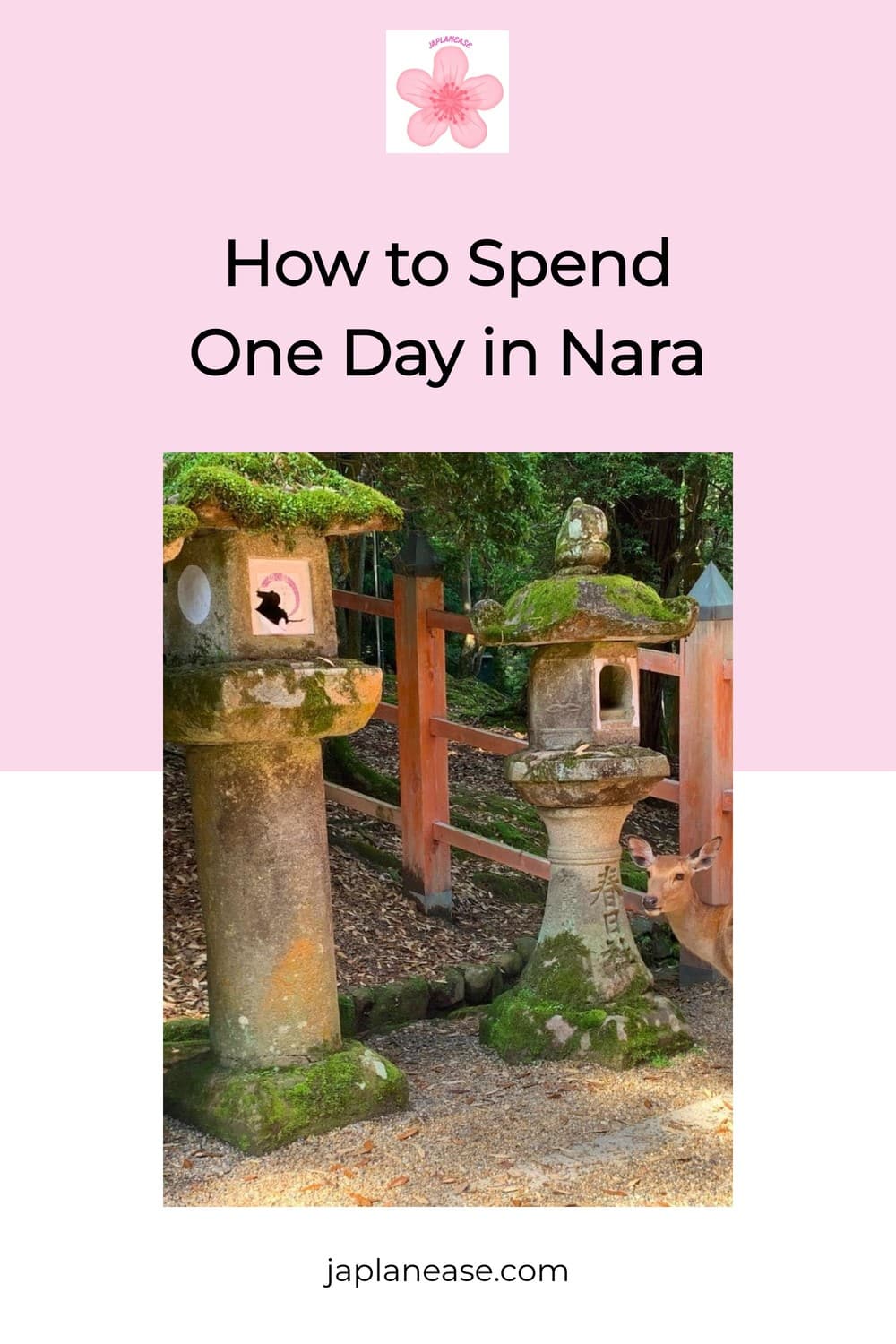
If you can arrive in Nara early, walking up the lantern-lined path to this shrine could turn out to be one of the most memorable moments of your trip. The moss-covered lanterns that line the path are surrounded by trees, and if you’re lucky, some of Nara’s famous deer might be peeping shyly out from between them.

The grounds at Kasuga Taisha are open 24 hours, but the shrine buildings themselves do not open until 9 am, so if you also wish to see inside the shrine buildings, arrive around 8 am to explore the grounds, then head inside.
Walk Through the Deer Park
Time Needed: 30-60 minutes
The first time I went to Nara, I had no idea where, or how, I would find the deer- it turned out I didn’t need to worry; they were all over the park.
So, even though our next stop is only really a 12-minute walk away from Kasuga Taisha, take your time walking through the park, taking the chance to say hi to anyone cute you meet on the way.

If you want to definitely get the attention of the deer, pick up a bag of deer cookies from one of the stalls dotted around the park. If you don’t go past any of these on your walk, head to the area around the Nodo souvenir shop and you’ll find at least one place to buy them.
If you show the deer the cookies and bow, they will bow back.
What I’ve noticed from visiting the park a few times is the calmer you are with the deer, the calmer they are with you – shriek and run, and they will get overexcited too. They can also get a bit enthusiastic when confronted with cookies – to keep them as calm as possible, don’t tease them, hide the cookie bag so they can’t grab it, and, when you want to stop feeding them, hold your hands up to say ‘I’m out of cookies.’ They know what that means and will head off to find someone else to feed them.
Related Read: How to meet Nara’s deer safely.
Visit Todai-ji
Time Needed: 30 minutes to 2-3 hours depending on how much you see
This is the most popular temple in Nara; the earlier you can get here, the better.
The thing that first blew me away here was the Nadaimon Gate, the main gate leading to the shrine area – it’s huge. Even stepping up to walk through it requires a giant step. The gate itself is 25 metres high and is the largest temple gate in Japan.

The entrance to Todai-ji is through the gate and off to the left-hand side.
Once inside, one thing will grab your attention. The giant Buddha inside the main hall. It stands at 15 metres high – not including the plinth and weighs 500 tonnes. While you don’t really get a true sense of the scale standing in front of it, there is a replica of one of the statue’s hands outside the Todaiji museum that you pass on your way to the shrine to give you an idea of just how big it actually is.
But also, consider the size of the Great Hall itself – it is the largest wooden structure in Japan. It actually used to be larger, but it was destroyed twice by fire in the past and, the last time it had to be rebuilt, funds only allowed for a smaller building. It’s still impressive though.

There are over 12 other smaller buildings that make up the Todai-ji complex, some including important statues. You can also visit the Todaiji museum, which contains many of the original artefacts belonging to the shrine. These are housed here to protect them against damage from further fires or earthquakes.
Todaiji is open seven days a week from 7.30 am to 5.30 pm between April and October and 8 am to 5 pm the rest of the year. The museum opens at 9.30 am. It costs 800 yen to enter Todaiji for adults and children over 12. Those aged 6-12 pay 400 yen. Younger children enter for free.
If you want to visit the museum as well, it’s cheaper to buy the joint pass, which costs 1200 yen for adults and 600 yen for those aged 6-12.
Take a Garden Break
Time Needed: 30 minutes
A short walk east of Todai-ji is the Yoshikien Garden.
This is free to enter, yet few tourists come here, so it can be a nice place to take a break if the crowds have started to build up in the park or other popular sights.
The garden was constructed in 1919 and has a small pond, a moss garden and a flower garden. There is also an on-site teahouse, but this is only available for private hire.
It’s open seven days a week from 9 am to 5 pm.

If you like gardens, you’ll find a second garden next door to Yoshikien called Isuien Koen.
This is based around two ponds. The second garden here really reminds me of the Adachi Museum of Art (regularly voted one of the most beautiful gardens in Japan) in the way it uses the local scenery as part of the garden.
The flowers here are highly seasonal and include displays of cherry blossoms and autumn leaves. There are also five tea houses on the grounds, two of which are open to the public, where you can enjoy matcha in the peaceful surroundings.
Isuien is closed on Tuesdays, but open from 9 am to 4.30 pm other days. It costs 1200 yen to enter. Children pay 500 or 300 yen, depending on age. But this also includes access to an on-site art museum containing over 2,000 pieces of Chinese, Japanese and Korean art.
Get an Ice Fortune
Time Needed: 30 minutes
A 7-minute walk south from the gardens is my favourite shrine in Nara – Himuro Shrine – also known as the Ice Temple. Visually, it’s quite understated, but it offers a fun way to tell your fortune.
When you arrive, walk to the shop toward the right of the shrine entrance and buy a fortune slip. Then look for the blocks of ice you’ll find lying around – place your fortune on these and, as they get wet/cold, the letters of your fortune will appear.

The shrine is actually dedicated to the art of ice making; in summer they sell shaved ice, and at certain times of year ice lanterns are lit here at sunset.
Explore Nara Town or Nara Machi
Time Needed: 1-2 Hours
Okay, enough shrines for a bit. Depending on how long you have spent at the other stops, you may need to make a choice between our last two stops and pick between spending some time wandering in Nara town centre or heading to the quieter Nara Machi area.
Nara Town
This is a nice place to spend a couple of hours. It’s a mix of tourist shops, local stores that have been serving locals for years and some other small shrines dotted around. It’s also a good place to grab lunch.
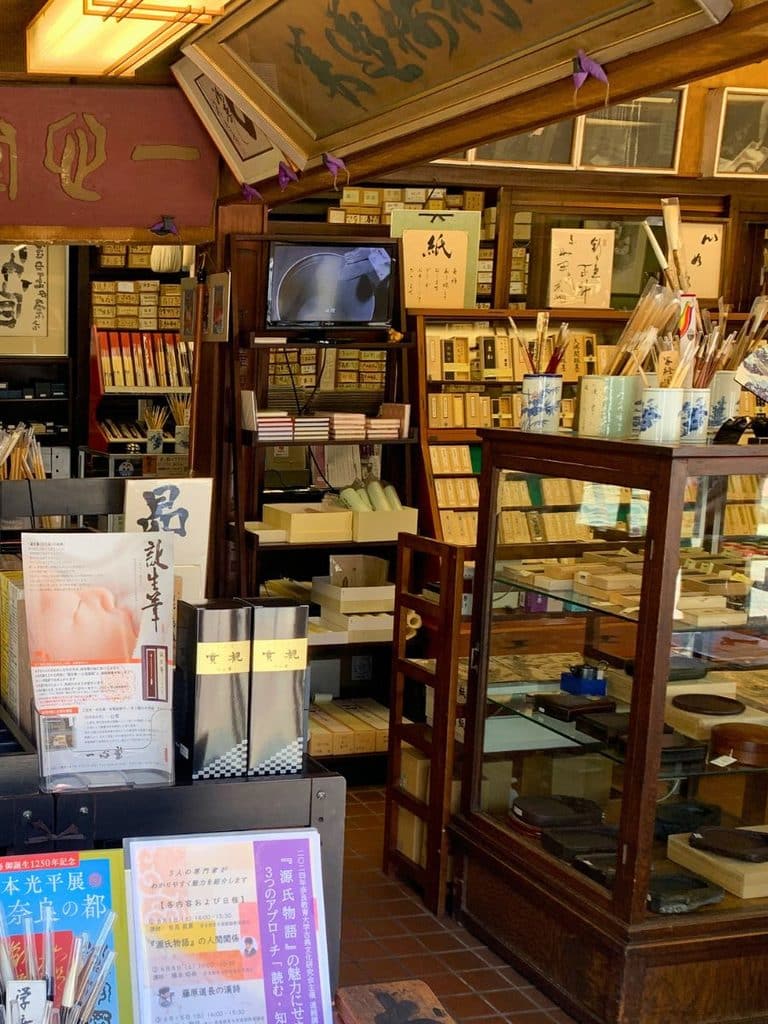
Good places to stop off include
Nakatanidou – this is the famous mochi shop with the mochi-pounding show. It happens at various times throughout the day – although it’s a bit of a scrum, so, personally, I think you’re better off watching it on Instagram and just stopping off to buy the mochi instead!
Cafe Fluke – if you’re missing veggies on your trip, this healthy restaurant has dishes like Buddha bowls.
Joukyou-ji – this small temple is known for its plant and flower displays.
Lamp Bar – end your day at this dimly lit cocktail spot before travelling back to your hotel. It does get busy though, so book or get there early.
Nara Machi
If you have more time, or would prefer to see something other than the main shopping street, head to Nara Machi instead. This more traditional-looking area is full of old merchants’ houses, small shrines and small shops to wander around. There is even a sake brewery.
The joy of coming here is just wandering and seeing what you find, but some must-see sights include…
Gango-ji – one of Nara’s most important temples but with a fraction of the crowds.
Naramachi Nigiwai-no-le – An old merchant’s house that is free to enter.
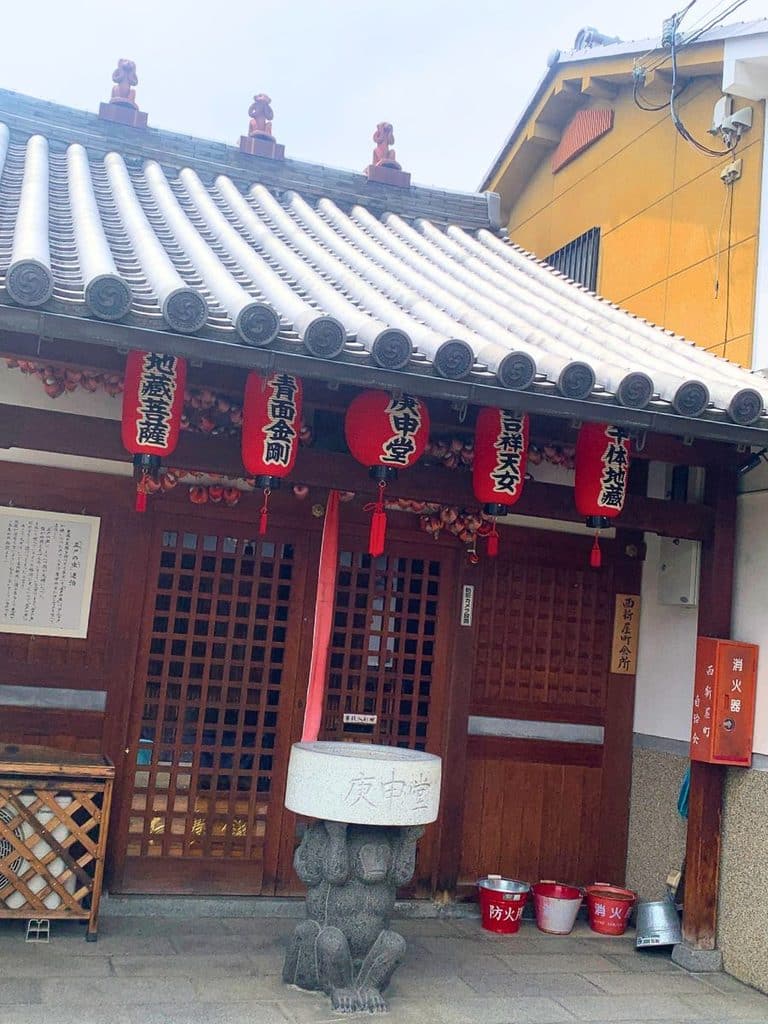
Koshindo – a small shrine with a monkey motif. The red cushion-like things hanging here are called migawari zaru – find out more about these in the Naramachi Shiryo-kan Museum – another must-see spot.
And that’s it – our perfect day in Nara. It doesn’t cover everything – there are many more shrines, temples and museums you can discover if you have more time, but it takes in the majority of our top 10 sights in the city.