- 8 Mistakes Not to Make in Autumn Leaf Season in Japan - 10 October 2026
- How to Spend One Day in Nara - 29 September 2026
- 12 Things That Seem Easy – Until You Try Them in Japan - 23 September 2026
Japan does leaf season really well – bright yellow ginkgo trees clash brilliantly with bright red or purple maple trees, with the bronze leaves of oak and zelkova bringing up the rear. But if you do decide to visit this kaleidoscope of colours, be warned: there are a few common mistakes you’ll want to avoid.
Like these…

Article by Helen Foster. Disclosure: Some links in this post are affiliate links. See our Affiliate Disclosure.
1. Don’t Travel Too Early
Many people assume that because Japan is in the Northern Hemisphere, its leaves must turn at the same time as other popular foliage spots like Vermont in the US, but that’s not necessarily the case. In the most popular spots for first-time foreign tourists, Japan tends to turn a little later than US spots.
In Northern Japan, you’ll start to see colours changing in October (maybe even late September if it’s cool), but travel further south to popular tourist areas like Kyoto or Tokyo, and you won’t see bright colours until at least early November.
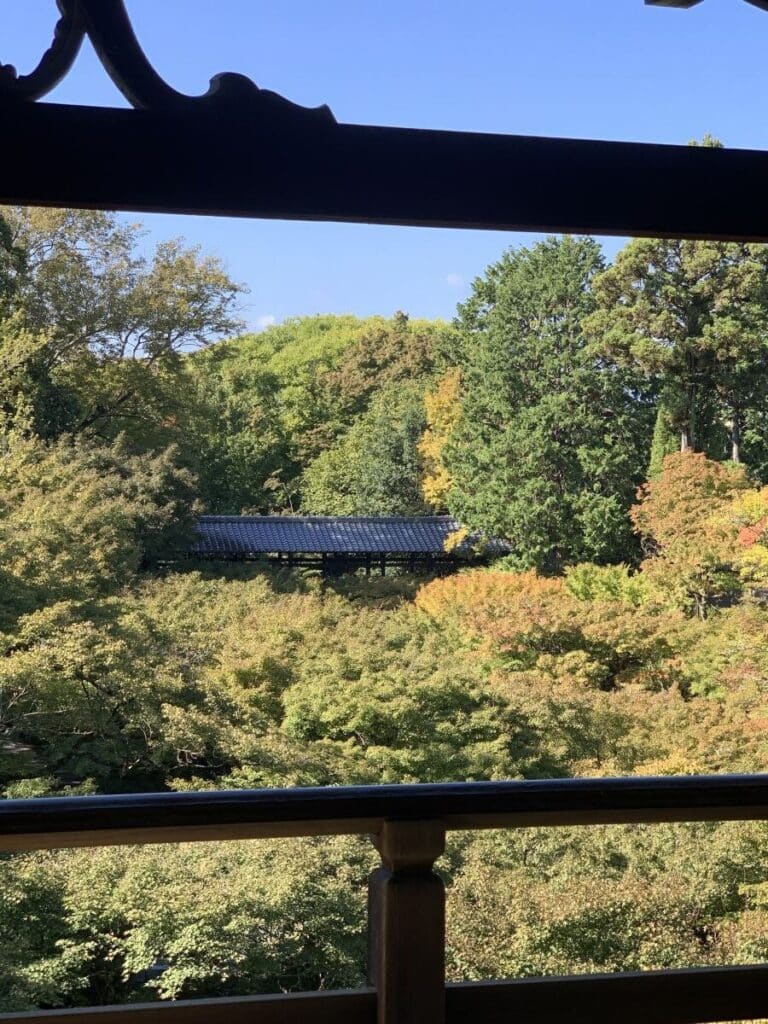
The picture below was taken in Kyoto on November 4th and, as you can see, the leaves were developing a reddish hue, but it was a while before they actually turned – long enough for me to have moved on.
2. Don’t Forget That Japan is Huge
Japan is 3,000 kilometres from end to end, creating a large variation in temperature between destinations; you might see someone posting colourful leaves in Tokyo, but it doesn’t mean they are red in, say, Kyoto or Hiroshima.
Altitude also makes a difference. The leaves need cooler temperatures for the chemical reaction that causes their changing colours – and the higher a place’s altitude, the earlier temperatures fall.
This means higher regions like Kamikochi and the Japanese Alps will see colours changing earlier than cities closer to sea level.

As a very general guide, here is an idea (from the Oct 1 forecast) of when the colours should start appearing around Japan in 2026. As you can see, from the top of Japan to the bottom differs by about a month.
- Sapporo: 7th November
- Sendai: 25th November
- Tokyo: 29th November
- Osaka: 4th December
- Fukuoka: 7th December
If your destination isn’t listed above, head to the website and you’ll find dates for over 700 viewing spots around Japan.
3. Stay Flexible
The dates above come from the current leaf-changing forecast as I write this in early October 2026, but they may change completely when the next one comes out, so don’t treat them as gospel.
While I’m aware that when travelling from far away, most tourists need to plan itineraries far in advance, especially if you’re trying not to pay hugely inflated prices, if you’re booking to see autumn leaves, you may need to adapt things a little to fit exactly what’s happening on the ground.
If you’re in Tokyo and the leaves haven’t changed yet, they might be glowing in Nikko, an easy train ride away.
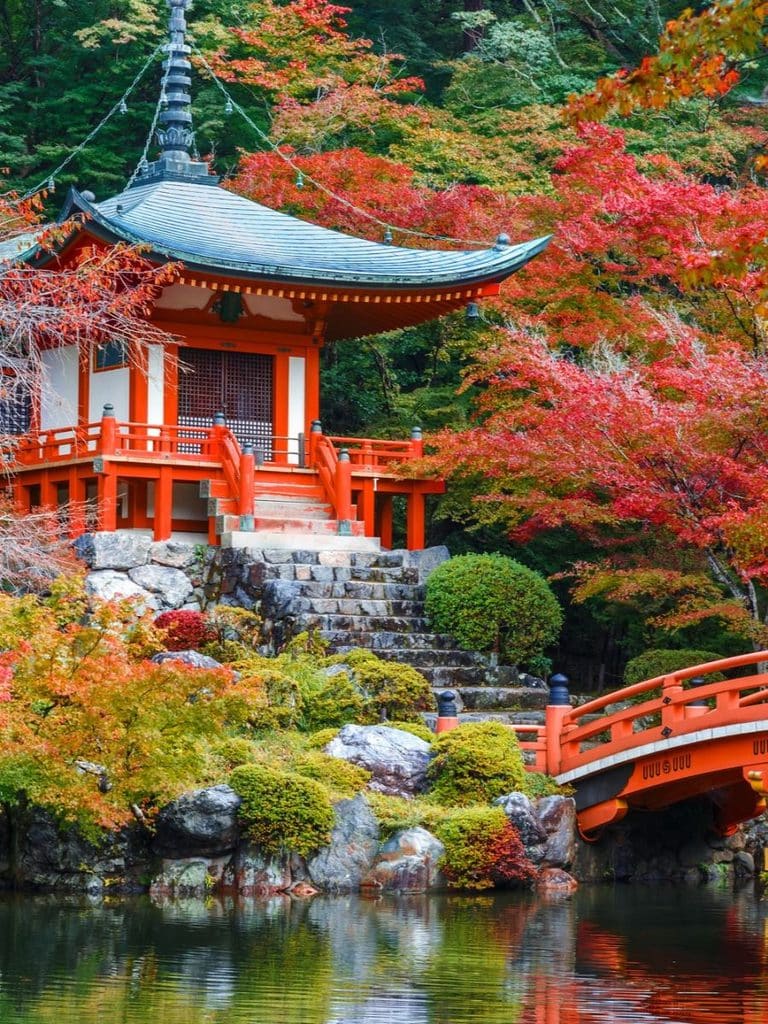
Or, you might need to adapt your viewing spot; the comprehensive area forecasts are so specific they even say which specific days each viewing spot is predicted to peak. Kiyomizu-dera, for example, should read peak prettiness between 23rd November and December 6th, while Daigo-ji – the pretty spot above will be best visited between November 8th and December 6th!
Keep checking the forecast regularly so you know what’s going on.
How to Use the Autumn Leaf Predictions
Go Here: This is the page that has specific viewing forecasts. It’s so detailed it lists not just by region, but by viewing spot. It is in Japanese, so you will need to translate it.
Know Your Prefecture: Japan is divided into regions, prefectures and towns. A Japanese audience knows exactly where to check, but for us, it can be a bit harder. So, here’s where to look for the most popular spots for first-time tourists.
- Kyoto/Osaka: Click on the Kinki region and choose Kyoto or Osaka
- Tokyo: Click on the Kanto and Koshin regions and choose Tokyo
- Nikko: Click on the Kanto and Koshin regions and choose Tochigi Prefecture
- Kanazawa: Click on the Hokuriku region, then Ishikawa Prefecture
Click Your Viewing Location: This will show you exactly what colour leaves to expect in each spot and the best dates. If you know exactly where it is, just click on the leaf correlating to its position on the map; or if you just want to find the best spots for the dates you’re in town, just click any leaf in the region, and you’ll go into a list of all the main viewing points.
4. Know Your Colours
One reason autumn leaf season in Japan is so popular is that so many different colours can appear – but the trees don’t change en masse.
The bright yellow ginkgo trees change first; the show-stopping red maple trees turn a bit later – which is why the official prediction site shows separate dates for the two. If you want to see a particular tree/colour, make sure you pick a viewing spot with the right colours and the right dates.
The colours last about two weeks once the leaves turn.
Did You Know? There’s a Japanese word for viewing the autumn leaves. It’s called momiji-gari. The change in colour is known as ‘koyo’ in Japanese.
5. Underestimating Crowds
While Cherry Blossom season is the most popular time for foreign tourists visiting Japan, local travellers love autumn leaf season, and popular spots will see huge crowds.
Seats for prime leaf-viewing attractions like the Sagano Romantic Train or the Kurobe Gorge sightseeing train, which can be booked a day or two in advance during normal season, will sell out in minutes during autumn leaf season. And Tofuku-ji, normally one of Kyoto’s more peaceful temples, should be visited as early in the day as possible in autumn, before the crowds pour in.

If you’re hoping to go to Nikko, another leaf-viewing hotspot, book seats on the reservation-only train services like the Spacia X well in advance, especially if you’re travelling at the weekends.
As a general guide, Kyoto, Nikko, Kanazawa and some rural areas in Hokkaido are the most popular spots for leaf-spotting local tourists – but if the time is right, you’ll also find pretty spots in Nara, around Lake Kawaguchiko, Hakone, Miyajima, Kyosan and even the gardens in Tokyo that can draw the crowds.
6. Booking Hotels Too Late
The most popular spots can sell out during prime leaf-viewing season, and room rates can rise quickly once dates are confirmed – Nikko and Kyoto are particularly popular.
Japan also has two potential public holidays during November leaf season which will increase crowds.
To avoid very large crowds, avoid the most popular leaf areas during the holidays – or, if you can’t, book your hotels as early as you can to get the best rates and options for rooms.
7. Only Visiting During the Day
Some of the most popular leaf displays offer nighttime illuminations that change your perspective – and extend the sightseeing day.
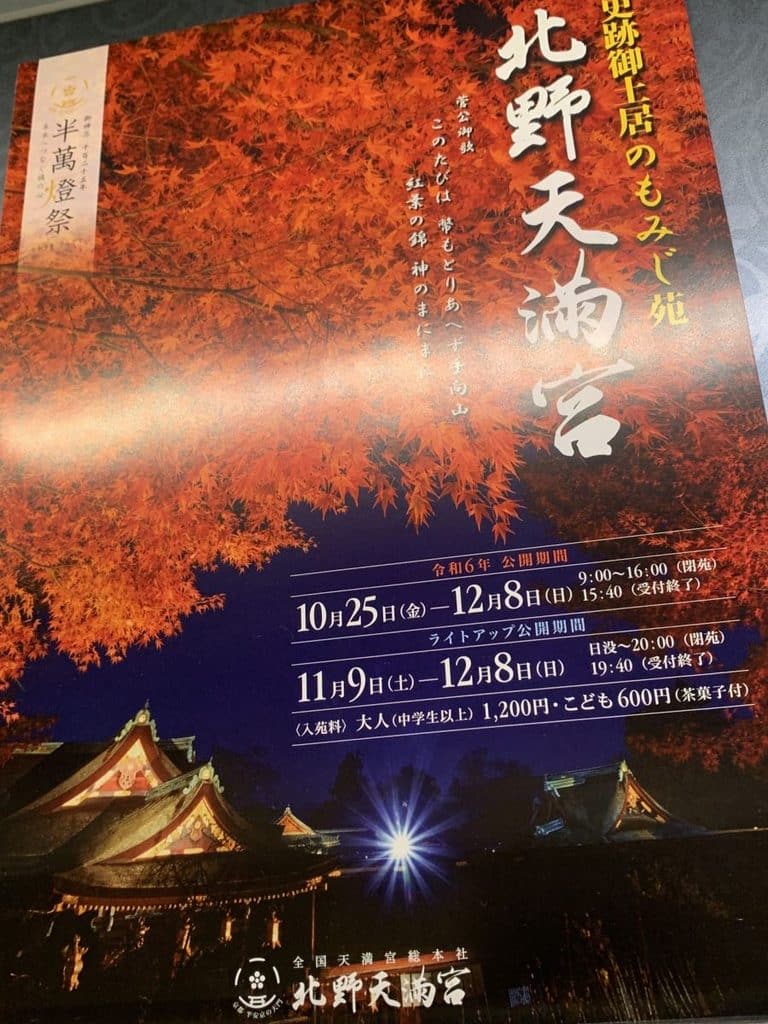
Again, these can be immensely popular, so book in advance if you want to attend. Some of the most popular are Kiyomizu-dera, Eikan-do and Toji in Kyoto, Kenrouken Garden in Kanazawa and Rikugien Garden in Tokyo.
Try Some Treats: You can eat maple leaves – and, during autumn leaf season, you’ll find them fried in batter during autumn leaf season in some spots. Maple leaf shaped cakes are also a popular year-round snack in Miyajima.
8. Not Packing Correctly
If, like me, you think the leaves turning is also a sign that the big coat makes its first appearance of the year, you might be surprised by how mild it can be in some areas of Japan around this time.
I arrived in Kyoto in late October a few years ago and was surprised to find myself in short sleeves and with a pink nose after a day’s sightseeing without sunscreen.
However, for the leaves to turn, temperatures need to cool – in fact, it needs to drop to 6-7C for a few days in a row to stimulate the colour change. There also needs to be a big difference between day and night temperatures.
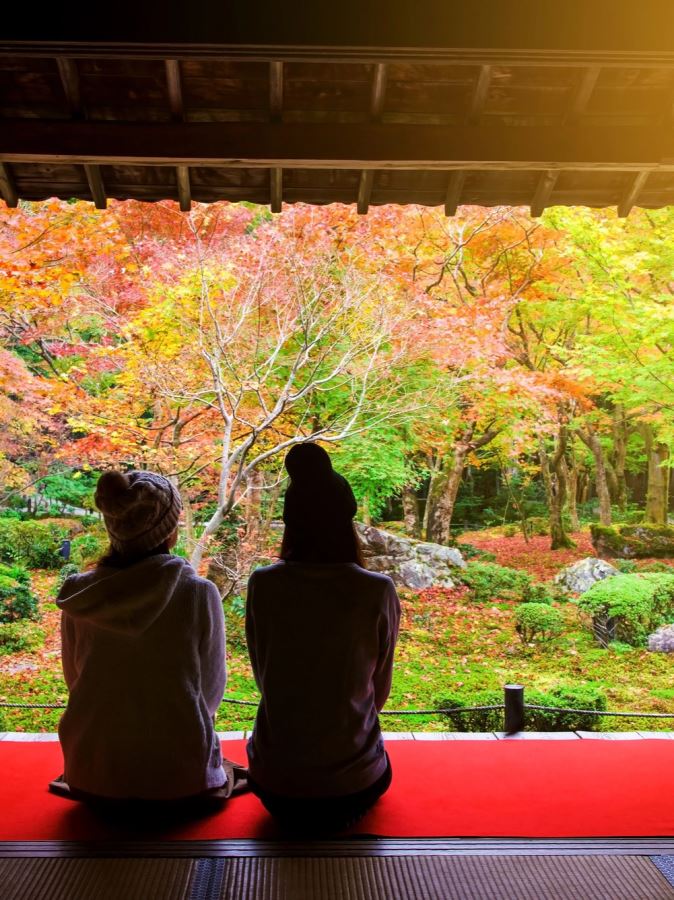
So while you might start your trip with warm weather, if you’re chasing leaves, you may find temps dropping rapidly during your trip, and nights will definitely feel colder. Bring layers that you can add or remove so you can adapt to the changing temperatures as quickly as the leaves do!
And that’s about all you need to know to enjoy this gorgeous season.
Who Writes This Blog?
My name is Helen Foster, and I’m a journalist and author. My travel articles have appeared in publications including The Australian, Escape, RAC Horizons, Jetstar Magazine, Sainsbury’s Magazine, and more.
I’ve travelled to Japan nine times before – solo and with my partner and visited over 50 towns and cities. My last visit was in April 2026, so everything here is pretty up to date.