- How to Watch the Oiran Parade at Edo Wonderland, Nikko - 15 October 2026
- 8 Mistakes Not to Make in Autumn Leaf Season in Japan - 10 October 2026
- How to Spend One Day in Nara - 29 September 2026
Japan has a reputation for being incredibly efficient – in reality, though, things can sometimes be trickier than they need to be – even some very simple ones. Here’s what you might struggle with on your trip – and some tips that make everything easier.

Article by Helen Foster. Disclosure: Some links in this post are affiliate links. See our Affiliate Disclosure.
1. Navigating Stations
Even if you’re used to using public transport in somewhere like London, Japanese stations can confound you. Shinjuku Station, for example, has over 200 exits and if you come out of the one furthest away from your destination, you could be up to a kilometer away from where you actually need to be.
Changing trains in stations that might have multiple lines serving them, and multiple floors of platforms can also be confusing. I once got so lost trying to find my way into the metro from the Shinkansen at Kyoto station I ended up getting a taxi to my hotel as I couldn’t bear walking around in circles any longer – and, do not get me started about trying to find the rail pass pick up office if you don’t go in the right side to start with.
However, the fact that I am not stil in Kyoto Station, and, as far as I am aware there is not a commune of lost tourists living in Shinjuku Station shows that it is possible to find your way around.

Solving The Problem
- Google Maps is your friend. Start your navigation as you leave your hotel and put in your end point – not just the train part of the journey. Google maps will then suggest the right entrance to enter the station and the right exits to leave it. If you follow that half the battle is won.
- Understand the signs to find trains. Lines are marked by colours and letters so research the colour and letter of the line you are trying to find and follow the signs for that.
- Look for signs that show exits. When you get off the train don’t just head to the closest way out. Find the right one. The signs that indicate it are usually yellow. If you are arriving at a bigger station you might see one big board that shows which way to head for different exits starting with a letter – say A. If you need exit A3, follow that direction and just keep following signs for A. As you get near the A exit area, you will start to also see numbers and the number just keep walking until you find yours.
- If you like to be prepared, you will find maps of many stations online, this can also give you an idea of where things are located.
Related Read: Our guide to using trains in Tokyo will help you get around like a local
2. Travelling With Medications
It might not be something you think about normally when travelling – after all, surely, if your doctor has prescribed you a medication you need, it’s going to be okay for you to take it into Japan, right?
Not necessarily.
Some very commonly prescribed medications – and, even a couple that you can buy over the counter – are either outright banned in Japan or, require a bit of extra research and maybe some extra paperwork to bring them in.
If you are staying in Japan over 30 days you also need to apply for a permit for your prescribed medications.
Solving the Problem
First, do not stress about this. It’s something that causes people a lot of anxiety in my Japan Facebook group and, while I see why, if you follow the steps properly, 99.9% of medications will be okay to carry.
First, allow plenty of time to check whether the drugs you are taking are on Japan’s restricted list. This gives you time to prepare the paperwork if you do need a permit, or, in extra cases, find an alternative to a drug that absolutely cannot be brought in. The main one of these is Adderall. It is simply not allowed to be imported into Japan even if its legally prescribed to someone – and penalties for smuggling it in are severe.
The drugs of concern are primarily certain painkillers and drugs that affect the brain in some way – like stimulants or antidepressants. Or, drugs that can be used to create more dangerous drugs – Pseudoephidrine, which is found in many over the counter cold remedies falls into this group.
The good news is, most of these are allowed in, either with no extra paperwork within certain dosages or with a permit for higher dose meds.
To be certain that you are not affected, my advice to anyone travelling with medications – prescribed or OTC – is always to check the active ingredients against the list of restricted drugs. If your active ingredient is listed then follow the steps explaining what to do to bring it into Japan. The link to the easiest to understand website is here.
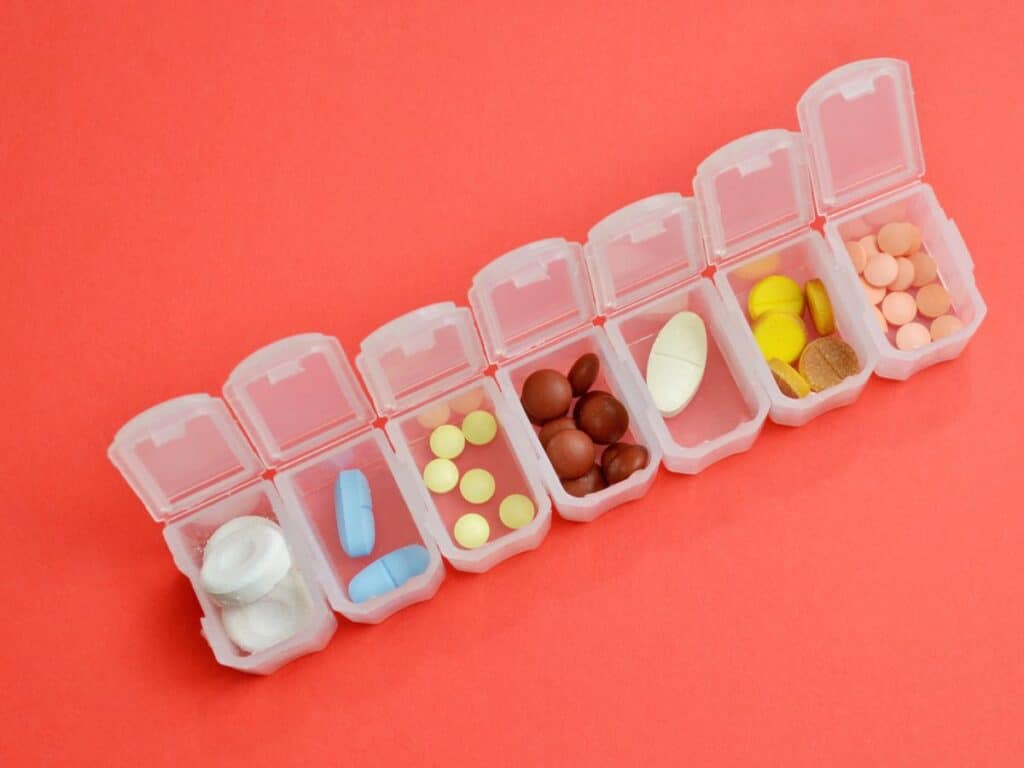
If you follow these steps exactly, you will get the right permissions and you will be able to bring in your meds legally. Whatever meds you bring in, carry them in their original packaging and have access to your prescription just in case – its best to only decant them like the picture above once in the country.
3. Feeding Your Family
Don’t panic, you are not going to starve – but, if you have a couple of kids who, invariably don’t want to eat the same things as each other, let alone the same thing as the adults, Japan can tax your patience.
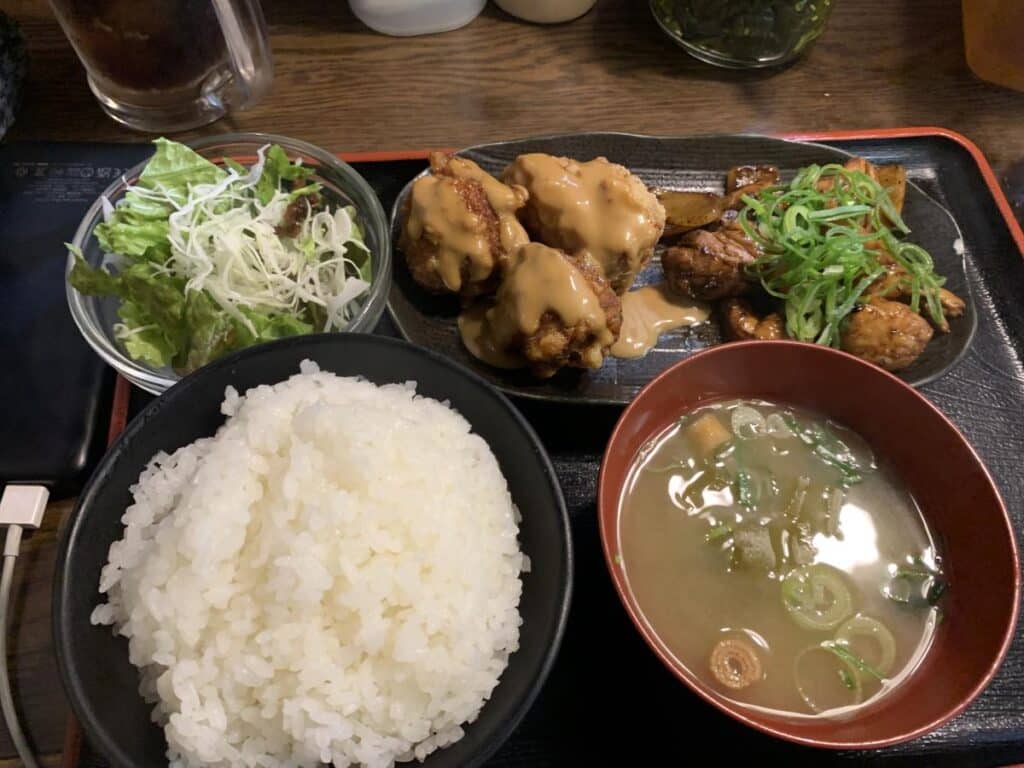
Many restaurants specialise in one type of cuisine, or even just a handful of dishes, as they prefer to perfect the items they serve. This isn’t a problem if, say, everyone in the party wants ramen, but, can prove difficult if everyone wants different things.
Solving the Problem
If this becomes an issue on your trip, do not worry. Japan’s Family Restaurants have your back. They offer a bit of everything on their menus so you’ll usually find something everyone wants to eat . See our guide to family restaurants for more details.
If everyone is of a suitable age, you can also visit an izakaya. These Japanese pubs serve small snacky type food with big menus so you’ll usually find something everyone likes – even if it’s just fried chicken and chips!
Related Reads: Travelling in Japan as a Larger Family or Group
4. Using Websites
If you’re trying to buy tickets online before you get to Japan, be warned. Despite it’s reputation as a technologically advanced country, Japanese websites are not hugely user friendly for Westerners.
It’s not so much the language barrier that’s the problem, but the way they are built. As a friend of mine once said, it looks like they are using Geocities.
Apparently there is a cultural reason for this. Japanese customers like to see all the information on one page rather than clicking through multiple pages, but if you’re used to the uncluttered, hierarchical user experience of most Western websites they can be frustrating to say the least. Issues also occur with fonts available to display Japanese characters that change the way things can be laid out. If you’re interested more in the whys and hows, this article is interesting.
And then there is the credit card issue – Japanese websites do not always play well with foreign credit cards. Sometimes with no rhyme or reason! You might find what you need on the website, but not actually be able to pay for it.

Solving the Problem
If you find a companies website frustrating, try their app. Universal Studios Japan is one example where I find the app is easier to use than the website (which makes me want to throw things).
If you really get stuck, try buying from third parties like Klook or KKDay. While it is always better to book direct if you can, I find it much easier to work out which Express Passes are actually available for a specific date at USJ on Klook than USJ.
When it comes to paying for things. First make sure you are using a credit card that has a security system called 3D secure enabled. Without it it’s unlikely that cards will work online in Japan. Your card provider can explain if you have this – but one sign is that you occasionally get messages by text or app asking you to verfiy transactions with a code.
Also try to avoid buying things during a time where it is overnight in Japan – some systems stop working in the early hours and transactions may not go through if they are down. Again, if all else fails, websites like Klook or KKDay take all cards.
Save Money with Klook & Japlanease
If you plan on buying tickets or tours from Klook for when you’re in Japan, you could save up to 10 per cent by using the code JAPLANEASEKLOOK at the checkout. Click here to see what’s on offer.
T&Cs apply. Some items, including Tokyo Disney and USJ tickets, are not available for discounts.
5. Using the Toilet
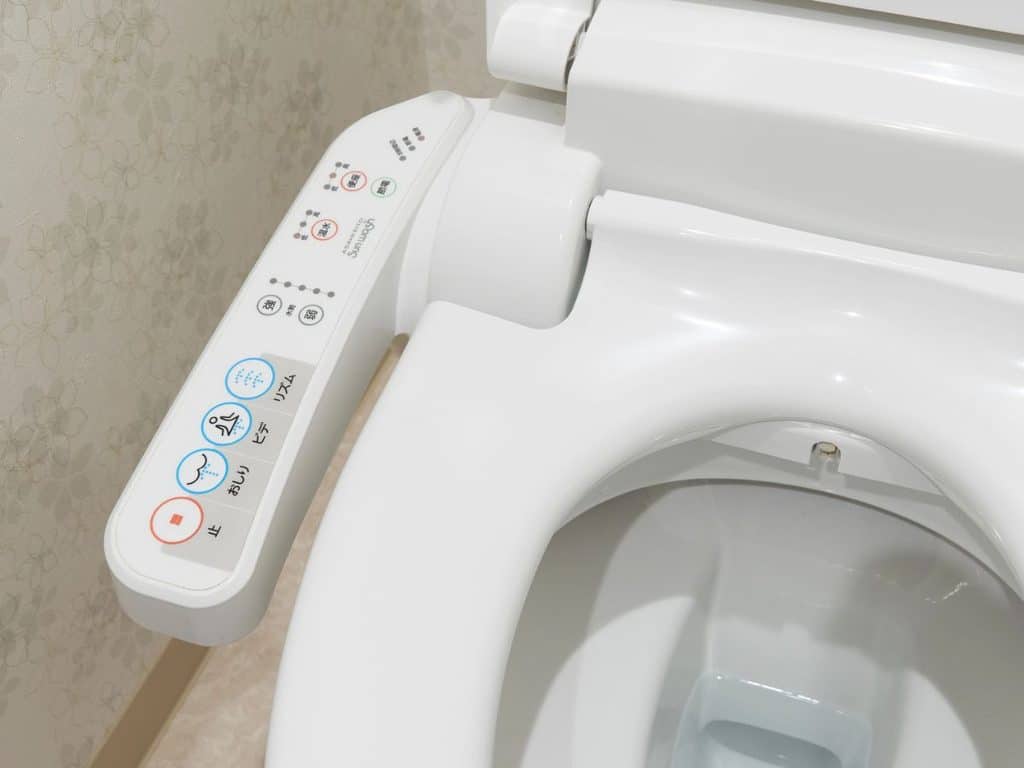
Japanese toilets are famous for their magic cleansing abilities – but, when you are first confronted with one it can be a bit daunting as there are a lot of buttons and no instructions in English as to what exactly is going to happen if you push one.
Solving the Problem
The only way to really find out what each button does is to press them! But stay seated when you do or you might spray water all over your clothes!
Oh, and if you are in a public restroom, the trickiest thing can sometimes be finding the flush. It can be hidden – but while you hunt, never, NEVER, push the big red button by the toilet. That is usually the emergency help button and you could find the staff come running if you push it.
6. Ordering Ramen
You walk into the cute little ramen shop by your hotel and instead of handing you a menu, the staff point you toward the machine by the door – and it’s all in Japanese.
Now what?
Well, you could slink off sideways and find somewhere with an English menu – or, you could follow the tips below.

Solving the Problem
Well, first up, look for an English button – if it’s an electronic machine with picture screens it might have an English menu hidden away. If it doesn’t or it’s an old fashioned machine that just has buttons like the one above, there are a few ways to handle things that don’t require you heading off to find somewhere less confusing.
First, does the shop have plastic food models outside? If it does, either ask the staff to come out with you and show them what you want and let them find it on the machine for you or, try and remember the Japanese letters and the price and find it on the machine yourself.
If you’re still flying blind, try pushing the top left button. If its an old fashioned ticket machine, the top left button is normally the speciality of the house or the most popular item on the menu. Press it and see what you get!
Or, call the staff and ask ‘osusume’, which translates to ‘what do you recommend’ and take whatever they suggest.
I go into more detail about using the machines (including the bit I still get wrong) in my guide to using a ticket machine in Japan, you’ll also find a seperate guide if you want to order at the famous Ichiran ramen chain.
7. Ordering Soba Noodles
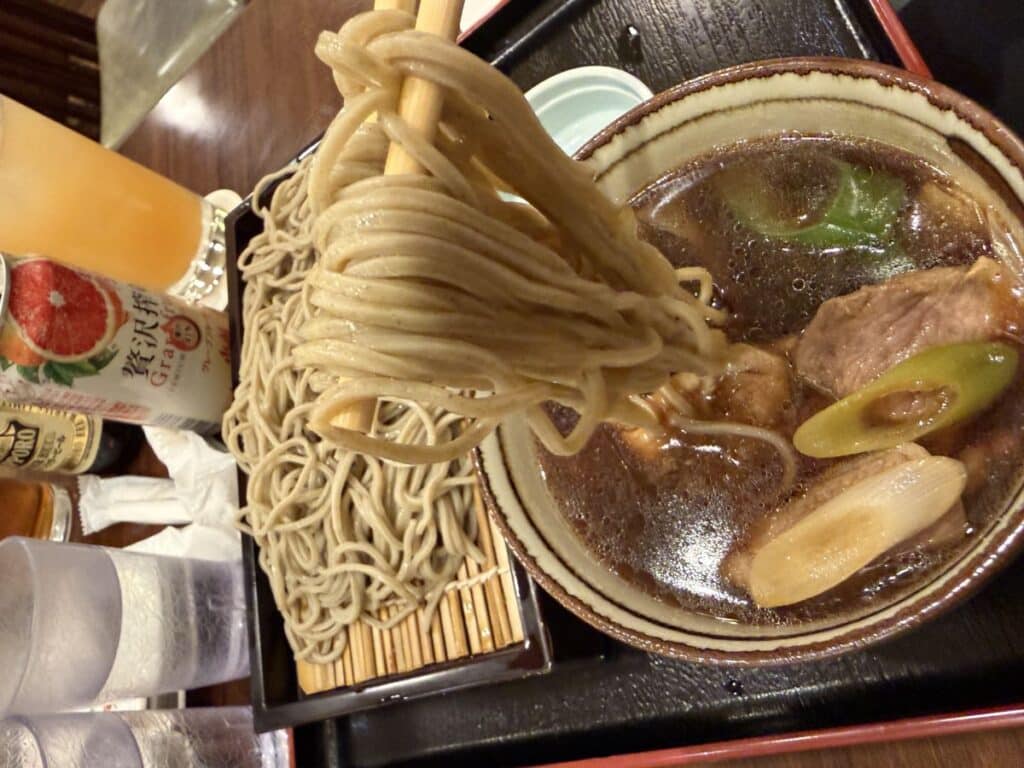
While we are on the subject of confusing Japanese foods, soba can be downright baffling in Japan.
There are a lot of different toppings that soba can come with and it can be served hot or cold, but just as, say, seeing Margarita or Hawaiian on a pizza menu might confuse you if you saw them for the first time with no description of the ingredients, soba is equally as complicated. After all, what are kitsune, kake or zaru?
Solving the Problem
Read our beginners guide to ordering soba and you’ll find a full list of all the classic dishes and what’s in them.
Or, again plastic food can be your friend, showing you what’s on top of the dish or in the set, simply photograph the item and show the staff if there isn’t a name in English.
8. Taking Your Luggage on a Train
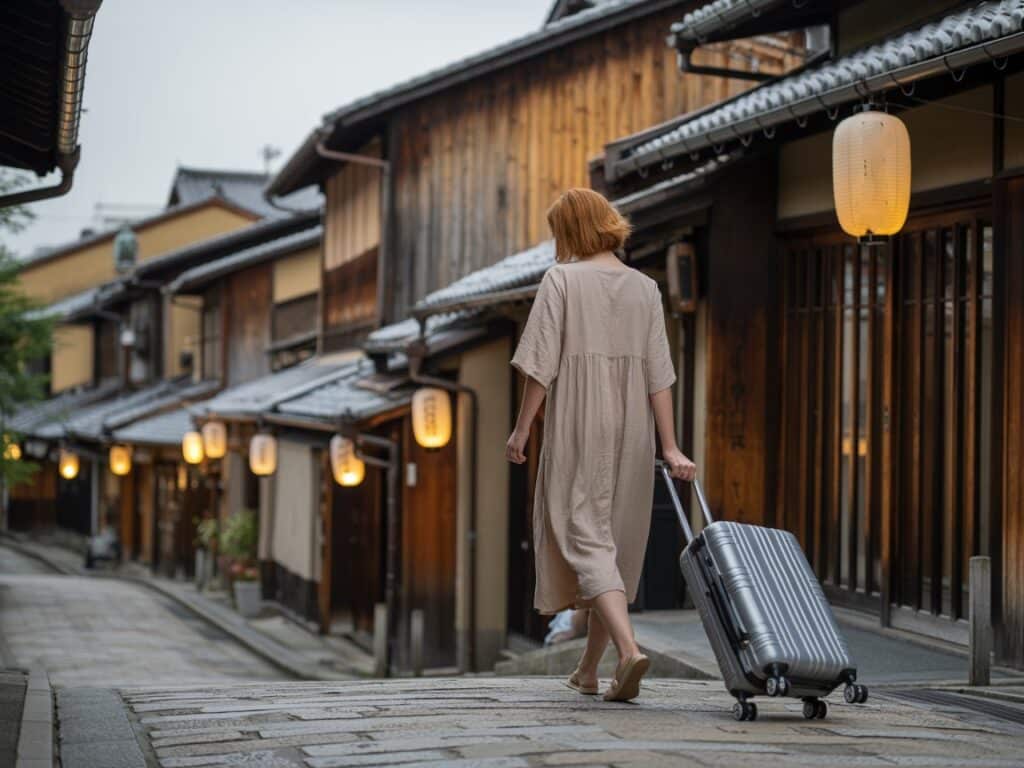
Surely you just get on with you bags, right? Not so fast, it depends on what train,
Specifically, if you are getting on the Tokaido/Sanyo Shinkansen that runs between Tokyo and Hakata (stopping at popular spots like Kyoto and Osaka on the way), there are rules about the size of bag you can bring on, and where to store it.
Very simply…
- If your bag measures under 160cm if the height, weight and depth add together, you are fine. It can come on the train and be stored either by your legs, above your head or on the rack between the cars
- Between 160-250cm, you must store your bag either behind the special luggage seats in the train compartment which must be booked in advance, or, on the rack between the cars.
- Over 250cm: you need to find alternative transport for you bag.
Solving the Problem
Measure your bag before your trip and know where it can go. If you can’t lift it above your head, or it’s too big to go on the overhead rack you have two options.
You can book the luggage seats in advance so you know you have them. Do this via the Smartex app or website.
Or, ship your bags ahead: Japan has a fantastic service where you can send your lugagge to your next hotel via a courier service so you don’t have to carry at. Your hotel can organise this for you. Read all the details in our guide to luggage transfer.
With other local trains, try not to block the doors or seats with larger luggage. Avoid travelling in rush hour if at all possible.
One of my most mortifying Japanese experiences was when I went between Nara and Osaka at 8.30 am with a bag.
My bag is only cabin sized so normally, it doesn’t cause any problems, but, the layout of this train was two sets of two seats facing each other. At the time, I was suffering mobility issues so I couldn’t stand for the long journey nor could I lift it above me onto the overhead rack (and I couldn’t convey either of these things to anyone around me). Whatever I did with my bag it was in the way. I just sumimasen’d every 10 minutes and hoped I didn’t end up on one of those ‘selfish foreigner’ videos. Learn from my mistake!
Need Extra Planning Help?
Our Japan trip planners can help. You might like our First-Timers Japan Planner, which will help you plan your trip to Tokyo, Kyoto and Osaka step-by-step, including tips on everything from picking hotels to sightseeing and dining. Or our super-duper Tokyo Disney Planner makes arranging your park trip MUCH easier. Find them in our Planners store – printable and digital versions are available.
9. Throwing Away Rubbish
In most cities, bins are easily found on the side of roads for you to throw away rubbish like drink bottles or fast food wrappers that you collect while out for the day – not in Japan.
After a terrorist attack on the subway, Japan removed bins in most public places. What this means is that if you buy a drink or a sandwich, you could be carrying the packaging around for hours until you come across somewhere to throw it away.
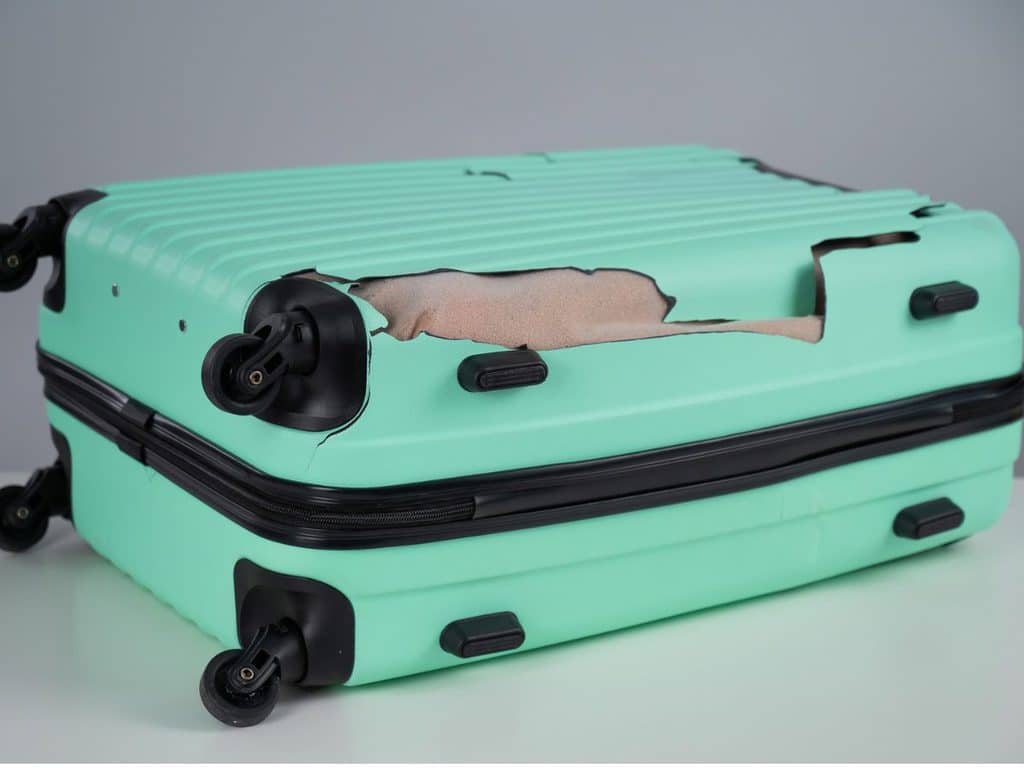
Japan also has specific systems for disposing of household or business waste. One of the biggest complaints from locals living near AirBNB houses is tourists not disposing of rubbish correctly and leaving large items like broken suitcases in hotels has become a real problem.
Solving the Problem
There are two ways to handle rubbish when out and about.
If you buy something at a vending machine, there is normally a bin there so drink the drink by the machine, ditto if you buy something at a convenience store or street food stall – if you consume it nearby you can then throw the rubbish in their bin (but don’t do this with other rubbish).
The other options is to pack a small plastic bag in your day bag and just use that to collect rubbish untilyou get back to your hotel.
If you are in an AirBNB read the instructions on rubbish and stick to them. In the last couple of weeks, areas in Tokyo and Kyoto have added restrictions to the number of days AirBNBs can operate because of problems like noise and rubbish – if we all keep ignoring the rules, they might ban them entirely.
If you need to get rid of something more than normal rubbish in a hotel, then ask them if they have a process – some may charge a disposal fee for large items like suitcases. Do not, just figure its someone else’s problem.
Related Read: 8 Ways Tourists are Annoying Locals in Japan
10. Finding Your Coin Locker
It’s check-in or check-out day and you’ve decided to make the most of the last few hours and drop your bags at Tokyo Station so you’re all ready to catch the train to the airport. But then you arrive back and can’t find your locker.
This isn’t ususual and it isn’t surprising considering Tokyo Station contains up to 4,000 coin lockers, which all look kind of similar – so, how do you stop yourself ending up at the wrong one.

Solve the Problem
Some lockers in very busy places like Tokyo Station also have identifying pictures on them like animals – note this down if they do. Then take a photo of the locker number – and a photo of something distinctive in the vicinity of it that will help you check you’re in the right place when you return,
If you’re technologically savvy, put a pin in your map as to where you are right now, and follow it back. If you don’t even know what that means, take a note and a photo of exactly where you leave the station – it will make things much easier if you go back into that entrance.
11. Using Escalators
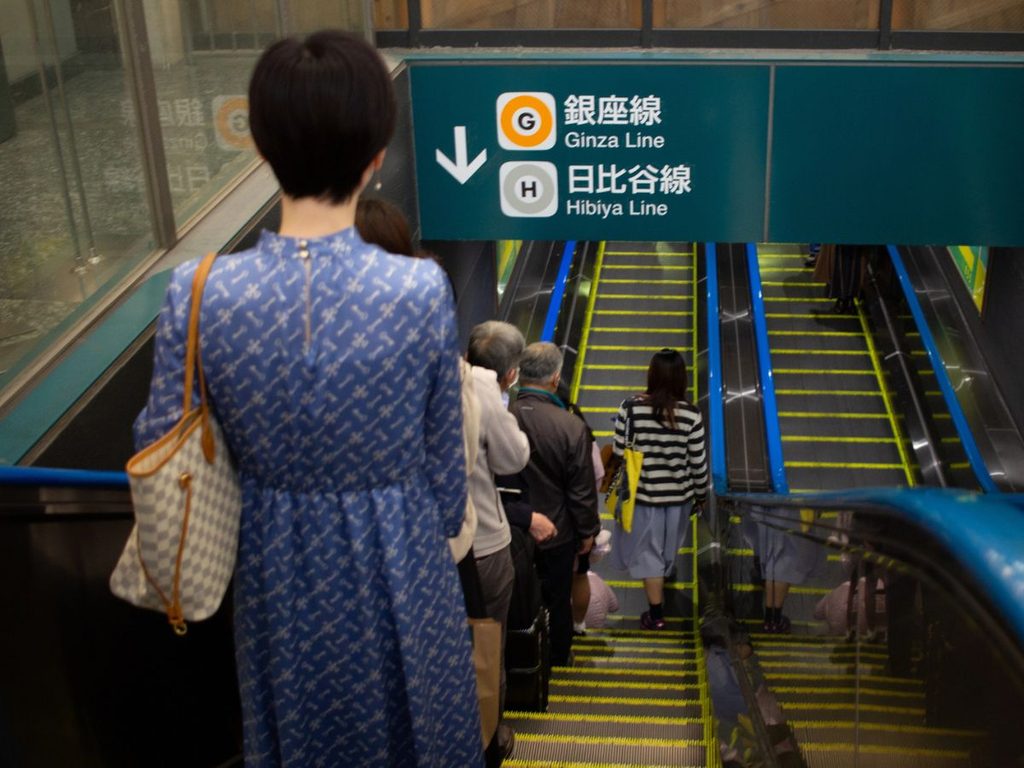
Every country has different rules on escalator etiquette – in London, you stand on the right, pass on the left. Sydney is the opposite – Japan likes to swtich things up.
In Tokyo you stand on the left, in Osaka you stand on the right, in some places during rush hour you are encouraged to stand on both and not attempt to walk at all.
It’s confusing.
Solving the Problem
The good news is there’s a simple way to get things right – watch the locals. Follow what they do and you shouldn’t go wrong.
12. Curling Your Hair
This one may depend on where you are travelling from. Japan’s voltage system runs at 100V, if you’re from a country like the UK or Australia which has a much higher voltage devices like curling irons or straighteners might not heat up effectively, leading to a bit of frustration – and bad hair days!
Also watch out for rules on flying with your device. Japan has very strict air rules for flying with devices that can heat up. Even if you get your device here, it might not be able to leave or fly domestically. To do so the device must either be wired, or you must be able to disconnect the battery from the heat source.

Solving the Problem
If your device has a voltage converter built in you shouldn’t have issues, if it doesn’t you mighty be better just buying a temporary device in Japan. Bic Camera or Yodabashi Camera are good stores for electronics.
For flying, check if you can disconnect the battery in advance – there is an entire container at Haneda Airport full of hair tools from people who didn’t. If you can’t, again you are better off buying a device in Japan than risking losing your expensive one.
And I think that’s it. But if you have found something else that is baffling you about travelling in Japan, head over to my Japan Trip Planning Group on Facebook and ask for advice and someone there will help you out. Or, book a one-to-one advice call with me – head to our Trip Planning Calls page for more details.
Who Writes This Blog?
My name is Helen Foster, and I’m a journalist and author. My travel articles have appeared in publications including The Australian, Escape, RAC Horizons, Jetstar Magazine, Sainsbury’s Magazine, and more.
I’ve travelled to Japan nine times before – solo and with my partner and visited over 50 towns and cities. My last visit was in April 2026, so everything here is pretty up to date.