
- Hakone or Kawaguchiko: Which Should You Visit? - 24 February 2026
- How to Read a Mount Fuji Visibility Planner - 21 February 2026
- What to Do (or Not Do) When Meeting Nara’s Famous Deer - 18 February 2026
Planning your first trip to Japan can get overwhelming. Tokyo alone has enough sights, neighbourhoods, food spots, and day trips to fill months and then you start adding Kyoto, Osaka, Hiroshima, Hakone, or Mount Fuji into the mix. Agghh, my head hurts… but these are the steps that can help reduce the panic and help you create a more manageable plan.
So, who am I to tell you how to plan your trip? Well, I’m someone who is not only planning my ninth trip to Japan right now, but also someone who has made many mistakes in the past, mostly involving not having enough time in places. Determined not to do that this time, I came up with these steps – and they can help you too.

Article by Helen Foster. Disclosure: Some links in this post are affiliate links. See our Affiliate Disclosure.
1. Accept That You Cannot See Everything
I’m starting with THE most important step of all. Japan is not a destination you “finish” in one trip.
I haven’t even scratched the sides of Tokyo, let alone the rest of the country. Even repeat visitors discover new neighbourhoods, foods, and experiences every time they return.
Letting go of the idea that you must see everything removes enormous pressure. It’s better to stay in 2-3 places and really feel like you got the most out of them, than visit nine cities for half a day each just so you can tick a box, but not really enjoy any of them.
I know this is hard when you may only get to visit Japan once, but do try and keep it in mind, or you’ll end up overwhelmed and frustrated while planning – and exhausted by day 14 of your trip.
2. Stick to 3-4 Cities in Two Weeks
This is a nice balance – over this, and your itinerary becomes dominated by checking in and out of hotels – plus, if you’re one of those people who can’t sleep that well the first night you’re in a new hotel, moving constantly is going to be a recipe for extra exhaustion.
At least five days in Tokyo and five days in Kyoto (with day trips) – or four in each and 2-3 nights at say Hakone, Mount Fuji, Hiroshima, Kanazawa or Osaka is perfect for a first two-week long trip.

If you only have one week, there is no shame in just staying in Tokyo and taking day trips from there; Kamakura, Nikko, Hakone and/or Mount Fuji are all easy to reach and will give you a fantastic mix of modern and traditional Japan without having to go all the way to Kyoto.
However, if your first Japan trip won’t be complete if you don’t visit Kyoto, this seven-day plan can help you organise things.
I admit, I have broken the four city rule in my itineraries covering the Central Japan region, but here the cities are close to each other and, you’re likely moving through them toward an end point, which is usually arriving in Kyoto – but, even here you could also stay put in two hotels and day trip much of this route if you wanted to.
3. Pin Your Must-Sees in Google Maps First
Once you have an idea of roughly which cities you want to visit, open Google Maps and pin everything you think you want to see. Temples, neighbourhoods, museums, cafes, observation decks – pin them all. You’re going to use this map to plan the rest of your trip.

Note – this example is my map. Frankly, it is out of control, do not copy it – but I have to travel a little differently from the rest of you!
Save Money with Klook & Japlanease
If you plan on buying tickets or tours from Klook for when you’re in Japan, you could save up to 10 per cent by using the code JAPLANEASEKLOOK at the checkout. Click here to see what’s on offer.
T&Cs apply. Some items, including Tokyo Disney and USJ tickets, are not available for discounts.
4. Now Ask This Essential Question
Why is that thing you just pinned a Must-See for you?
I see so many people in Japan deciding they must go to, say teamLab Borderless, because everyone else does – but, if you don’t like art or interactive exhibits or will get annoyed by lots of people taking selfies, it’s not the place for you.
Ditto Shibuya Sky at sunset – it’s packed up there! If you’re going because someone on TikTok said you should, then think about whether you’ll actually enjoy it, or if you’d prefer to go at a quieter time of day, or to a different observation deck completely.
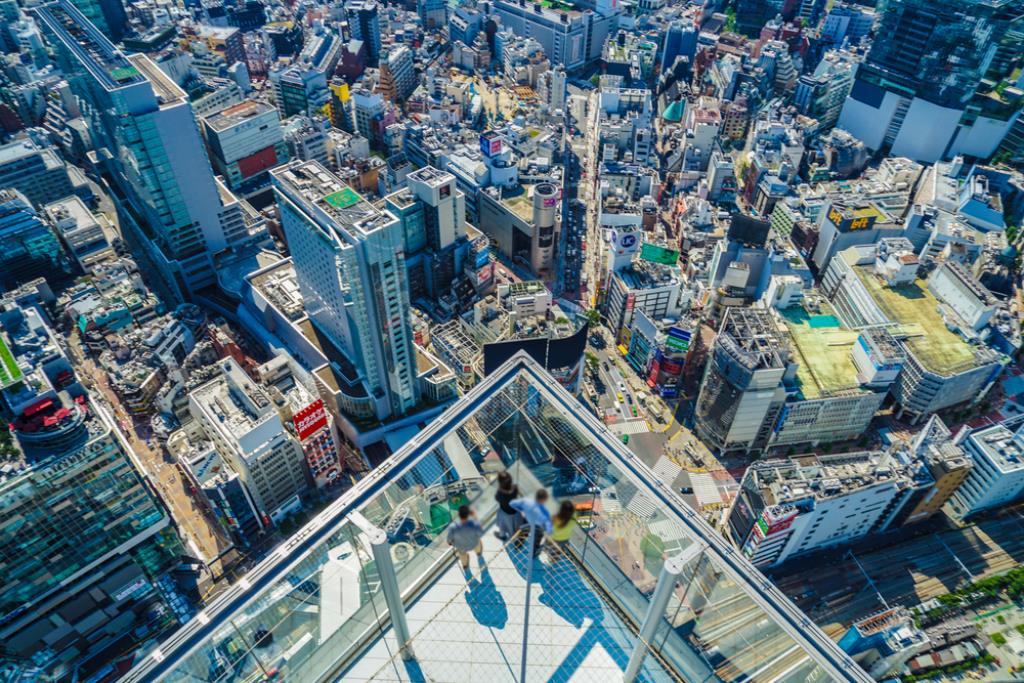
Social media is good at showing us things we might not have found, but it also creates an unnatural sense of FOMO – and some very busy destinations as everyone now crowds to the same places. So, ask yourself, are you adding this to your list because you want to go or because you think you should?
If it’s the latter – delete. Life is too short, and Japan is too full of things you will want to do.
5. Allow Enough Time in Each Destination
It’s tempting to try and see everything and stay everywhere, but not only does moving hotels frequently eat up time with packing, transport, and checking in and out, when you look at your pins, you might discover you need more time in a place than you thought.
I just realised this while planning my next trip. I am going to Nikko. It’s a place many people do as a day trip, so I thought I’d be able to do it with a two-night stay; I even decided to nip somewhere else on the way there – but, as I started pinning the map, I realised that if I did that, I was going to rush through things and likely wear myself out.
Plus, there are a lot of fun-looking treats in Nikko and some local dishes I’ve never tried before, and I could not eat all of those in one day! So I rejigged things a little.

I am now staying at Utsonomiya on my way to Nikko to eat dumplings (the town is known for it’s gyoza) and see an amazing-looking shrine carved into the rock, then I have three nights in Nikko itself, giving me plenty of time to do the things I want to – and possibly even fit in a canyon I didn’t think I’d be able to get to. If I hadn’t pinned my map, I’d still be thinking I could do it all in 2 days!
It’s discoveries like this that make the posts analysing how long you should spend in different places, some of my favourites to write. There are a few of them, but maybe start with the ones where I realised I wanted to stay longer than I did. These include the guide for Hakone or how long to spend in Nagoya.
You might also want to discover how long to visit Nagano and the same for Hiroshima.
6. Group Your Days by Area
Time to use your map pins again. Most of the big cities, like Tokyo or Kyoto, will have multiple sights in one area. When you get down to the nitty-gritty of daily scheduling, you want to stick to sights in the same area or at very least, on the same side of the city.
For example, in Tokyo, Shinjuku and Shibuya go well together, so do Shibuya and Harajuku. Akihabara mixes well with Asakusa, while teamLab Planets works well with Toyosu and/or Odaiba.
In Kyoto, plan by area such as around Fushimi Inari, Arashiyama, or Higashiyama.

7. Do Not Plan More Than Two Big Things Per Day
Pick no more than two headline sights – or two areas – a day. This gives you time to explore the big thing, but also wander around backstreets, potter into shops, explore small shrines you walk past on the way – and eat!
Some of the best Japan moments aren’t planned at all – wandering through backstreets, stumbling across a local festival, or spending an hour in a stationery shop you didn’t expect to love. If every minute of your itinerary is booked, you lose that magic.
8. Download Our Japan Planner
It has planning sheets and checklists that help you organise all your planning thoughts – which is handy when you can’t see the wood for the (bamboo) trees.
You can complete the plans on your phone, or print out the sheets and let each member of your group fill them in, so you can then create a plan that pleases everyone. And it costs just AU$25 – that’s around US$17 and UK£12.50 at the moment – check it out here.

9. Allow More Time Than You Think for Travel
Japan’s transport system is excellent, but it takes a bit of getting used to. Stations can be enormous, platforms can be far apart, and exiting the station can involve a half-kilometre walk. What looks like a 30-minute train journey on Google Maps can easily become a 50-minute trip door-to-door.
Ideally, put your journeys in door-to-door to get more accurate timings, but even then, allow extra travel time, especially in cities like Tokyo, Osaka, and Kyoto. This extra buffer protects you from missed connections, crowded trains, or simply getting lost – which happens to everyone at least once.
10. Check Travel Routes Early On
I don’t mean things like how to get to Akihabara from your Shinjuku hotel, but more ambitious journeys like swapping between cities – and definitely anything a bit more rural.
I really slipped up here when I planned to visit both Matsumoto and Narai Juku from Nagano.
On the map, it looked like an easy hop between the two, but in reality, the train connections and timetable made it impossible. If I’d worked that out before I booked my hotels, I’d have stayed another night in Nagano.

I also helped someone the other day who wanted to visit Lake Kawaguchiko, then go to Takayama, in two days. On the map, that doesn’t sound too tricky, they are just over 200km apart but by train it’s 5-7 hours of travel with multiple transfers, and even in a car, it will take 4 hours, as it’s a lot of mountain roads with low speed limits and it wouldn’t be a journey you’d want to do in the dark.
I don’t think you can see both and get between them in less than three days.
I use the Japan Transit by Navitime when I’m planning in advance, as it offers more options than Google Maps. It’s also much better in more rural areas, where Google Maps sometimes doesn’t work well at all.
Want Personal Advice on Your Itinerary?
Confused over whether things are in the right order, or, you’ve picked the right places, I can help. Email me at Helen@Japlanease.com, and I will get back to you to discuss. The cost is US$100 for a one-hour consultation call. Note – I don’t book hotels, trains or attractions etc.
11. Know When Must-Book Tickets Go on Sale
Some Japan experiences require advance planning, and knowing this early helps you shape your itinerary realistically. Popular attractions like Universal Studios Japan, teamLab exhibitions, Ghibli Museum, the Nintendo Museum and certain sightseeing trains like the Aoniyoshi, require booking in advance and some sell out fast.
Our guides to what to book in advance in Tokyo – and the sister guide on what to book in advance in Osaka and Kyoto can help you determine what you need to book and when.

12. Plan One “Light” Day Every Few Days
Even the most enthusiastic travellers hit a wall. To avoid burnout, intentionally schedule a lighter day every three or four days.
This could mean enjoying a late start, or, an evening in the hotel onsen, followed by a hotel room picnic, enjoying Japanese television (this is actually one of my small things not to miss).
Or, just wander around a low-key, less sight-driven area like Jinbocho or Sugamo in Tokyo with no fixed agenda.
Light days are perfect for shopping, cafes, gardens, or revisiting an area you loved. They also act as buffer days if the weather changes, or you find something cool you didn’t know existed until you got there.
The Japanese even have a word for finding space in busy-ness – they call it Ma. Try and build some into your trip – you’ll appreciate it far more than you think.

Who Writes This Blog?
My name is Helen Foster, and I’m a journalist and author. My travel articles have appeared in publications including The Australian, Escape, RAC Horizons, Jetstar Magazine, Sainsbury’s Magazine, and more.
I’ve traveled to Japan eight times before – solo and with my partner and visited over 25 towns and cities. My last visit was November 2024 so, everything here is pretty up to date.

