
- How to Spend One Day in Nara - 29 September 2026
- 12 Things That Seem Easy – Until You Try Them in Japan - 23 September 2026
- Is it Worth Paying Extra at Tofuku-Ji? - 16 September 2026
Tofuku-ji is one of the quieter, large, temple complexes in Kyoto to visit. You pay to get in – but then, you can pay an extra 1000 fee to enter two extra areas – the bridge and the garden – but is it worth it? I coughed up the cash to find out…
Article by Helen Foster. Disclosure: Some links in this post are affiliate links. See our Affiliate Disclosure.
What is at Tofuku-ji?
Tofuku-ji is a large temple complex located slightly north of the more famous Fushimi Taisha Inari.
It was built in 1236 but, the complex is so vast it wasn’t completed until 1255. And they haven’t just built it once – many of the buildings have been destroyed by fire over the years but they have always been rebuilt to the original specifications.
Some of the highlights of the main area – include…
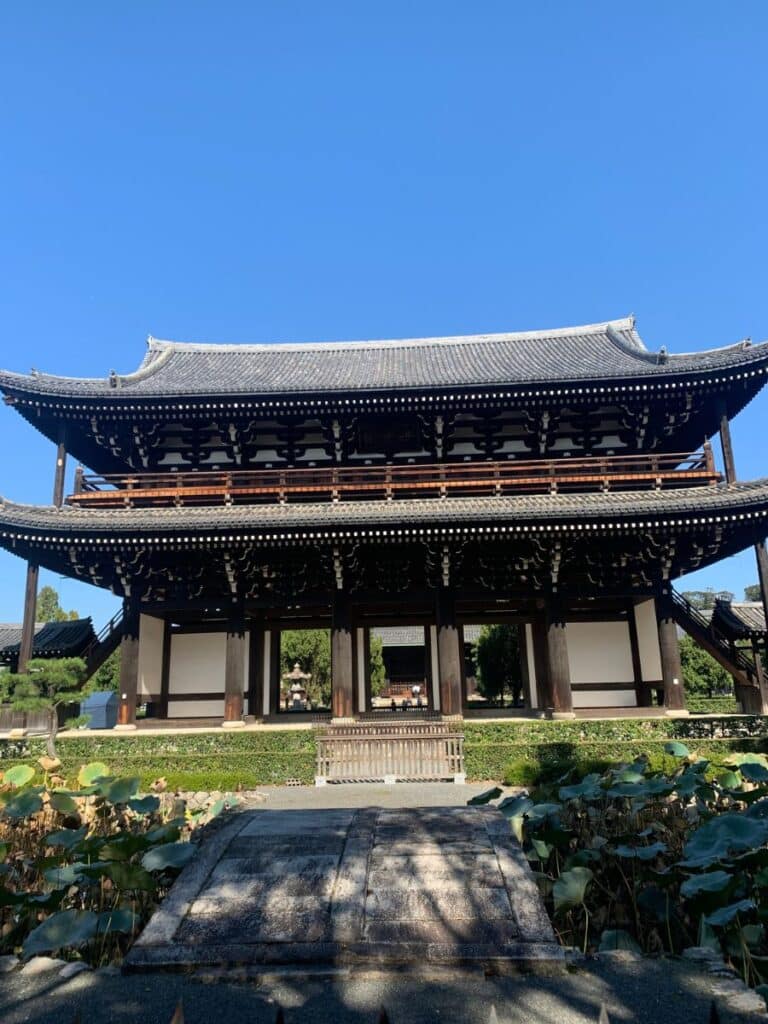
The San mon Gate: One of the largest gates in Japan. Nineteen Buddhist statues are hidden on the upper levels but this is only open to the public via special private tours.
The Main Hall: Which has a dragon painting on the ceiling
The Tosu: This communal bathroom has room for 100 people – with 20 toilet spots – and visiting it together was part of the monk’s training. The bathroom hit the headlines back in 2022 when someone accidently drove a car into it smashing down the doors. The largest bathhouse in Japan is also found at Tofukuji.
The complex is large and it’s a bit tricky to navigate as there is a lot of space between the buildings. I know I missed a few things (like the dragon painting as I didn’t realize I had to peer inside the buildings, or that it wasn’t impolite to do so) do take your time walking around and make sure you look inside any buildings that you cannot enter.
These areas are all included in the main entry fee (¥500) but, as I said at the beginning of this post, there are two other areas with an additional fee and that’s what I’m going to focus on here so you can decide whether it’s a good idea to pay extra for this or not.
What Do You Pay Extra For?
The paid areas at Tofuku-ji are the Tsutenbashi bridge and the gardens around this and the Honbo Garden – actually four manicured gardens – that surround the monks quarters.
The admission fees are as follows… and note it is only payable by cash
| Most of the Year | Autumn Leaf Season * | |
| Tsutenbashi Bridge | ¥600 (adults), ¥300 (children) | ¥1000 (adults), ¥500 children |
| Honbo Garden | ¥500 (adults), ¥300 children | ¥600 (adults), ¥300 children |
| Combined Ticket | ¥1000 (adults), ¥500 children | Not available |
* The exact date of the autumn season varies year by year but expect it to start mid November and extend until early December
Is it Worth It?
Let me be honest here – the main part of Tofukuji did not blow me away.
I liked that it wasn’t that busy, but, visually the main buildings here aren’t hugely interesting (IMHO) as you have to view everything from the outside – often peering in through small slats.
So, if you’re going to come here, then adding the paid area does increase the number of things you can visit and if you are interested in what’s inside them you are going to love it here. However, whether it’s worth it for you might depend on a couple of things.
My first question is are you a garden/plant person? If you are then yes, you’re going to really enjoy wandering around.
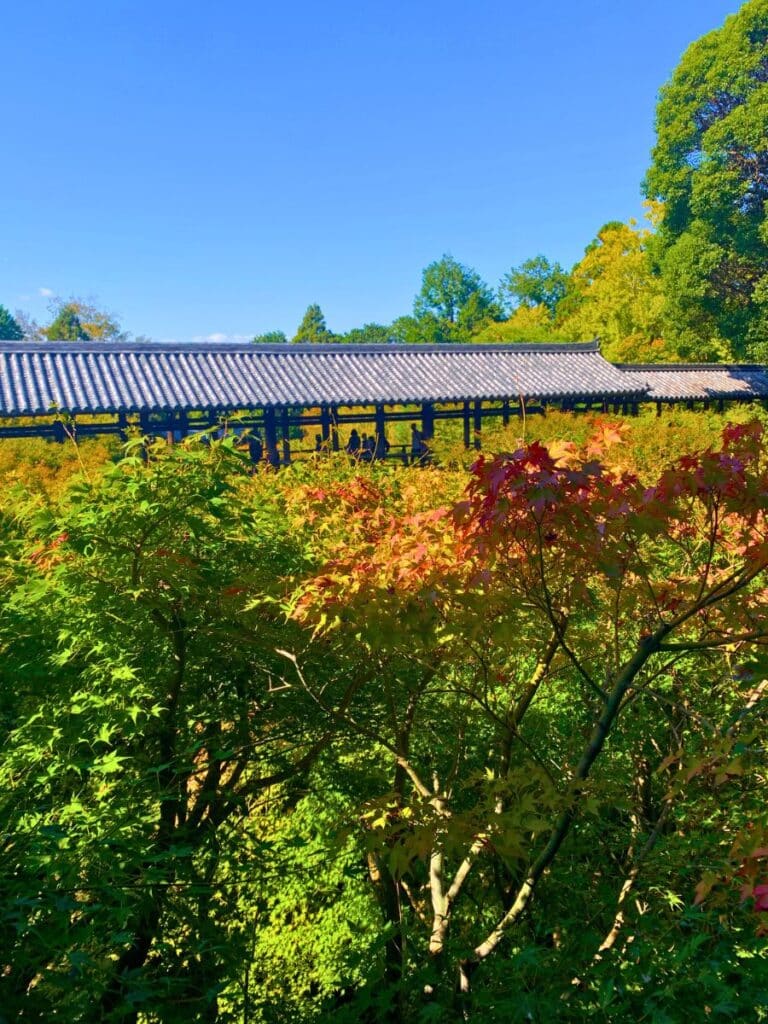
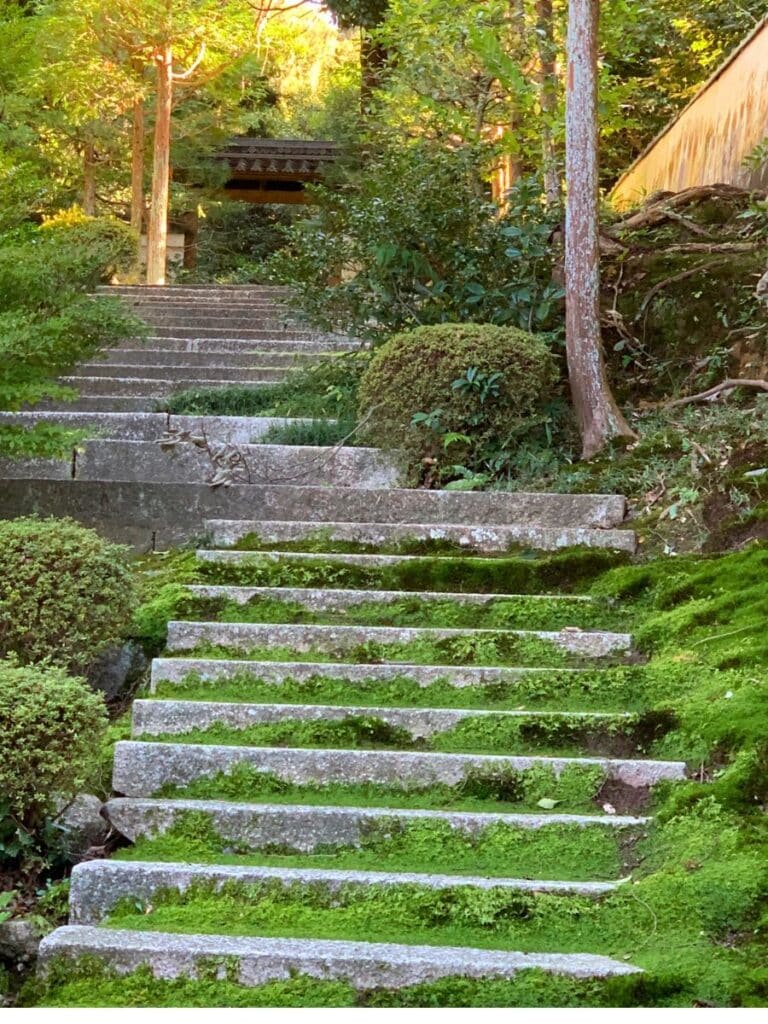
The two areas at the opposite end of the planting spectrum. Walk into the area around the Tsutenbashi bridge and everything is wild – lush moss covers steep steps no longer available for climbing, and lines the banks of trickling streams, while around it hundreds of trees grow umanicured up to the sky.
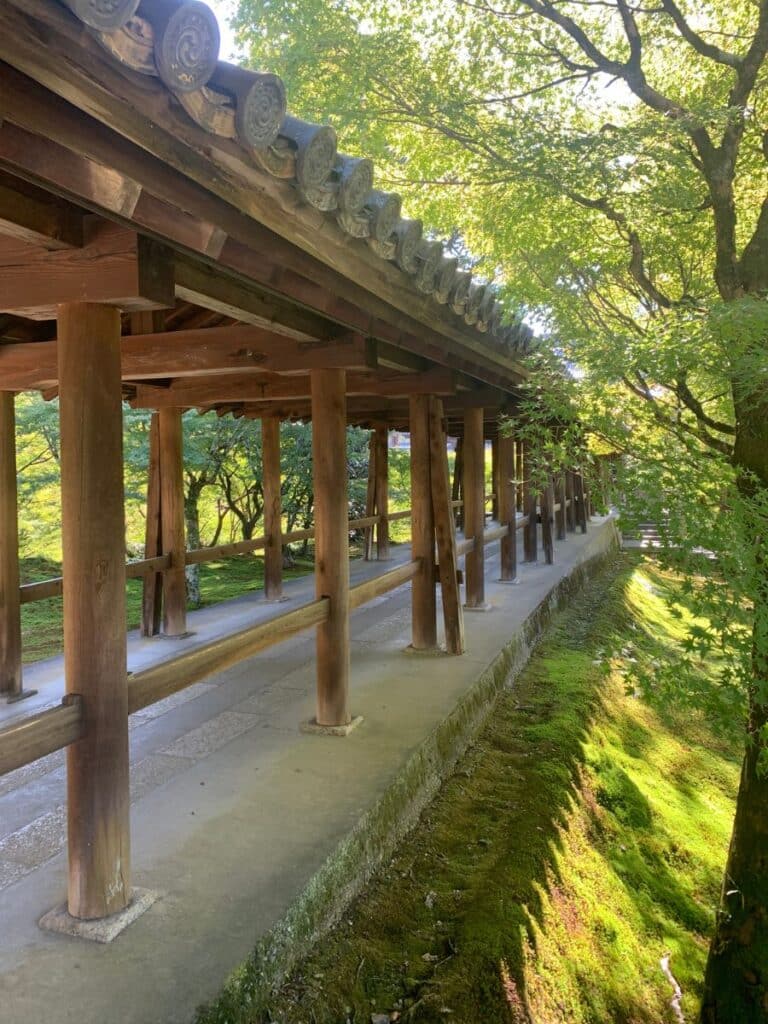
In the middle of it all runs the Tsutenkyo bridge – 27 metres long this bridge connects the main hall to the founders hall – there is a small stream that runs between them – but, also acts as a viewpoint to the maple trees that surround it. The bridge itself is quite something to behold but its those trees that really draw the crowds.
Which brings me to my next question? Are you here in Autumn leaf season – in which case, grab your camera (and a sense of patience). The bridge gives a view of one of Kyoto’s most popular and beautiful displays of autumn leaves as the maple trees that surround turn red and yellow – but, this also makes it once of the most crowded spots at that time of year. I was a few weeks outside of leaf season but you can see them starting to turn a little bit in the pictures.
The second area you can pay to visit is the Honbo Garen (also once known as the Hojo Garden). This is actually four different spaces on the north, south, east and west of the Abbot’s Quarters at Tofukoji. While it’s common for the monk’s quarters in a temple to have gardens around them, this is the only temple in Japan where gardens surround all sides.
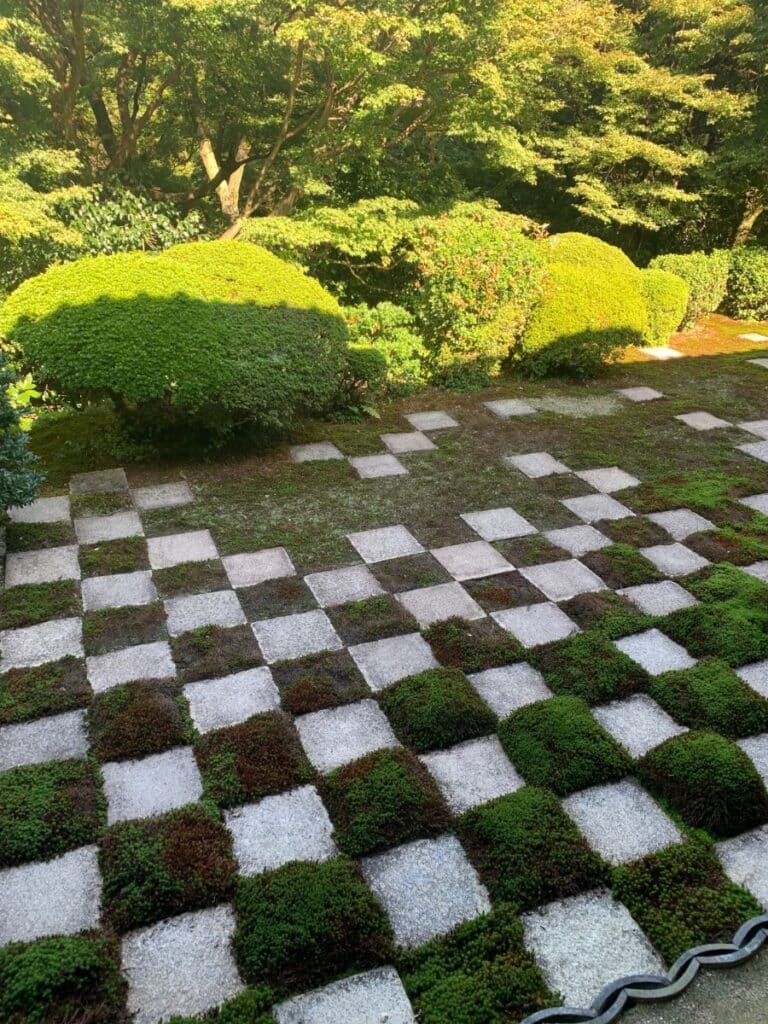
Designed in the 1930s by the garden designer Mirei Shigemori, each of the gardens looks slightly different, but they are each designed to be places of contemplation and to still the mind.
It was groundbreaking at the time as the design of the garden was such that any materials uncovered during it’s construction must be reused in it’s design – nothing was to be wasted or thrown away. So, for example, the stones that make up the paved design in the north garden came from offcuts used to create the gate. Another interesting fact is that originally, the garden wasn’t supposed to contain as much moss, it has grown over the years.
Here’s a rough outline of the gardens and what you’ll find inside
The North Garden: One of two checkerboard gardens in the garden – it uses a mix of moss and paving to create the effect.
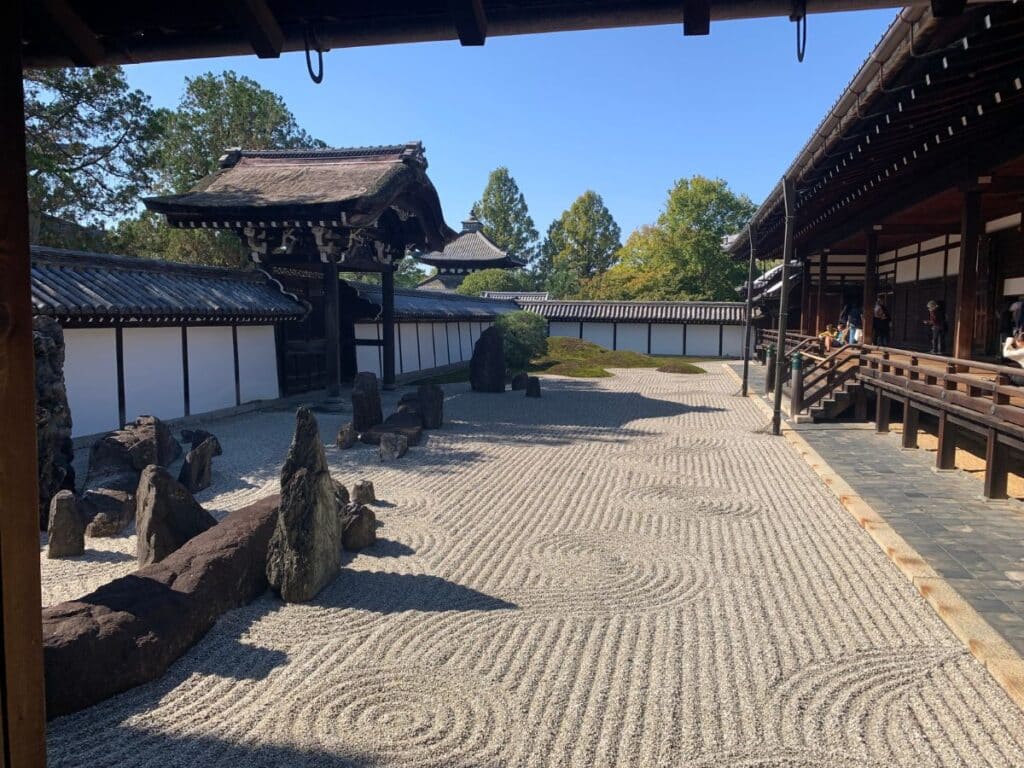
The South Garden: Looks like the traditional image of a zen garden, all perfectly raked gravel and carefully placed rocks. These rocks represent the Penglai Immortal Islands – these islands are said to be a place where pain, aging and winter do not exist. Five moss covered hills also appear in the garden.
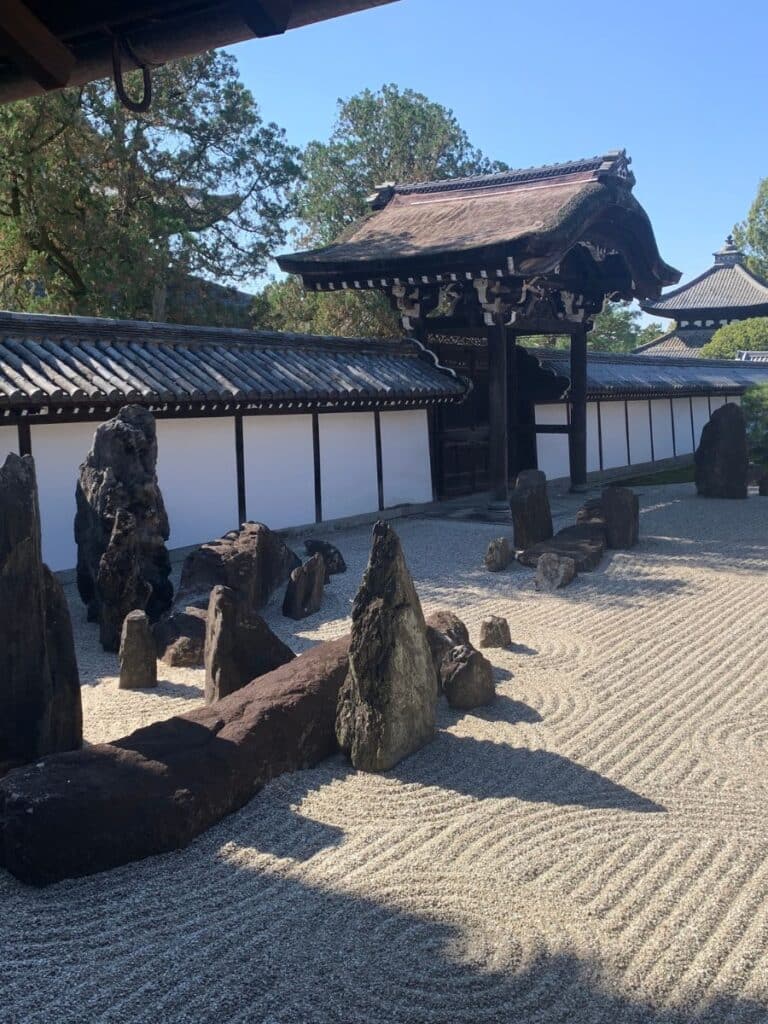
The East Garden: This sand-lined garden contains seven upright stones which represent the Big Dipper star constellation. These stones actually came from a large column that used to stand in a toilet block originally on this site – remember, everything removed as part of the construction had to be reused within it.
The West Garden: The second checkered area this contains a diagonal running design. Three stones also appear here – which brings us to the principle of 7-5-3 in Japanese garden design,
The Idea of 7-5-3
There are a number of design practises that make Japanese gardens special – and one is the idea of 7-5-3. In this rocks, stones or other elements are placed in groups of either 7, 5 or 3 – the reasoning being that odd numbers are considered important in Buddhism.
However, the principle is used differently in the Tofukuji garden as it uses mixed materials. You find seven stones in the East Garden, three stones in the West Garden but then in the South Garden, five moss covered hills appear – these are believed to represent the five mountains of Kyoto.
Fifteen is also an important number in Buddhism signifying enlightenment – one of Kyoto’s other most important gardens, the rock garden at Ryoan-ji, also contains 15 stones.
My Opinion
I did enjoy wandering around the paid areas and I don’t think I’d have felt my visit to Tofuku-ji would have been worth it without them.
As I said, while the main buildings are all important in their own right, they aren’t jaw dropping – and, if you’ve already seen a lot of shrines and temples on your trip you might be a bit non-plussed. The gardens and bridge do give a nice change of pace though.
But, if budget, or time, is an issue, then whether this will be worth it for you will depend on how much you like gardens, photographing nature – or, if you’re here in Autumn. If none of those things float your both, then you might want to skip it.
If you only decide to visit one of them – the Hondo Garden is probably the more ‘only in Japan’ area of the two. The trees could be a pretty wood pretty much anywhere and while the bridge was impressive, if time or cash is short, you can skip it and not feel like you’ve missed out. In autumn leaf season though, go for the bridge.
What Else is Nearby
As I said, Tofuku-ji isn’t just a large complex in it’s own right, it also contains a number of sub temples that, if you’re coming down here you should at least peek into.
Komyo-in, for example, charges 500 yen to visit but I think it’s contemplative garden is just as pretty as the one at Tofokuji. I was the only person there when I visited and it made it onto my list of the 22 Best Quiet Places in Kyoto.
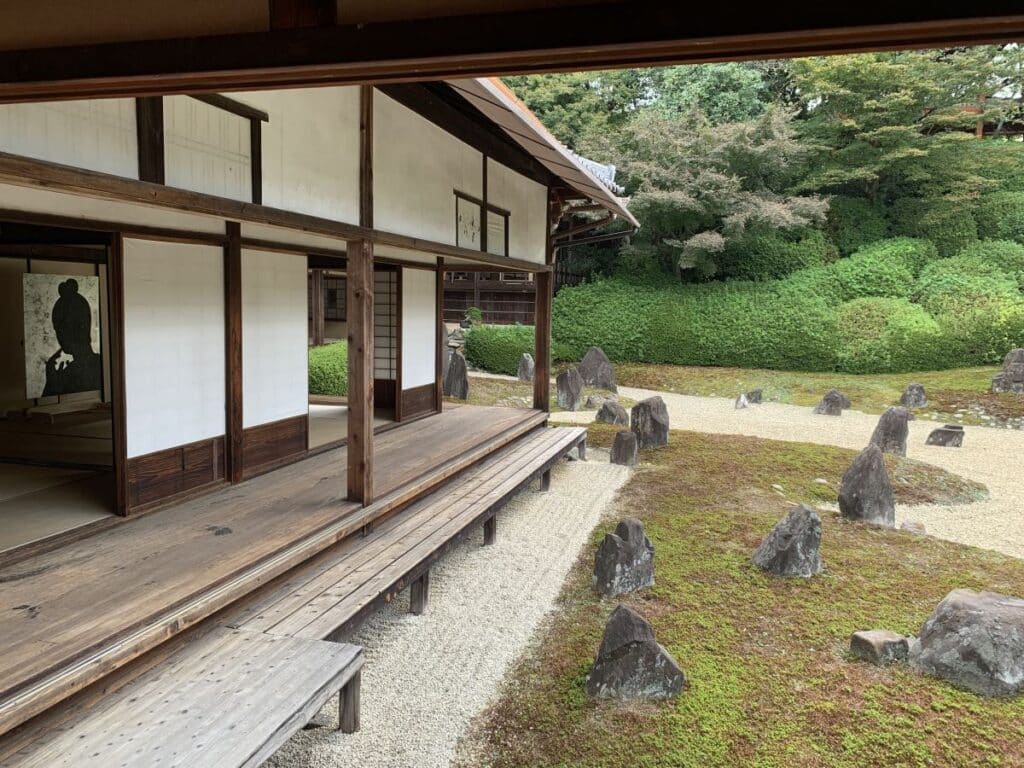
Tofuku-ji Reiuin-in also has a beautiful Zen garden – although it’s opening hours can be irregular. And, if you love moss, visit Zenne-in.
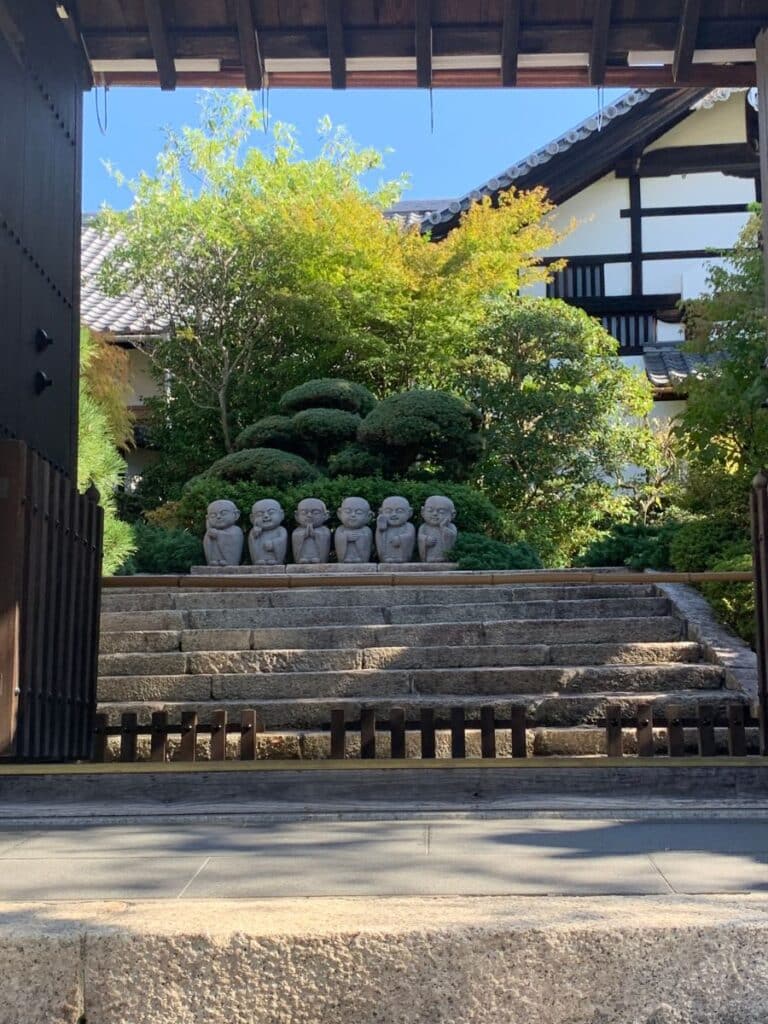
I loved these little fellas who I spotted peering out of the gate of Tofuku-ji Daiiki-in on my walk back to the station. I’ve also seen them wearing hats in Autumn.
Not all temples are open to the public, so respect any chains or closed gates.
If Tofuku-ji has peeked your interest in Japanese zen gardens, you might also want to visit the contemplative deck at Kennin-ji’s Zen garden, which also includes a fantastic dragon painting on the roof. Ryoan-ji has the biggest zen garden in Kyoto – but also the one with the most crowds.
How to Get to Tofuku-ji
There closest station is actually called Tofuku-ji and this is located a six minute walk from the main entrance of Tofuku-ji.
The station is on the Jr Nara line or the Keihan Main line making it easy to access from Kyoto Station and other local spots around the city.
The complex is open seven days a week from 9 am. Closing hours vary by season so check when you are there – the earliest closing in winter is at 3.30pm, and 4 pm during other seasons. During autumn leaf season the temple may offer illuminated evening sessions. These are very popular and you may need to book in advance.

Who Writes This Blog?
My name is Helen Foster, and I’m a journalist and author. My travel articles have appeared in publications including The Australian, Escape, RAC Horizons, Jetstar Magazine, Sainsbury’s Magazine, and more.
I’ve travelled to Japan nine times before – solo and with my partner and visited over 50 towns and cities. My last visit was in April 2026, so everything here is pretty up to date.