
- How to Watch the Oiran Parade at Edo Wonderland, Nikko - 15 October 2026
- 8 Mistakes Not to Make in Autumn Leaf Season in Japan - 10 October 2026
- How to Spend One Day in Nara - 29 September 2026
When looking for a guidebook to help you plan your Tokyo trip it’s important to find one that suits the type of traveler you are. So we scoured the shelves and found the best Tokyo travel book for foodies, shoppers, those with kids, those visiting Tokyo for the very first time, confused or nervous travelers – and more.
The days when we all carried a well-thumbed Lonely Planet around every destination might be over (sadly), but that doesn’t mean there’s not a place for travel guidebooks. From getting a quick overview of the absolute best things to do in a city, to books curated to certain types of people and things to do, there are hundreds of books on Tokyo out there hoping to help you plan your trip – but which are the best Tokyo guidebooks for how you like to travel?.
Here’s our selection of travel books on Tokyo for different groups of travellers, and trips.

This post contains affiliate links and I get a small commission if you make a purchase. Buying from these links does not involve any extra cost to you. As an Amazon Associate, I earn from qualifying purchases.
- Best Tokyo Book For Foodies
- If It’s Your First Trip to Japan
- If You’ve Been to Tokyo Before
- If You’re on a Budget
- If You Love Manga, Anime etc
- If You Want a Tokyo Deep Dive
- If You Want to Make Eating Easy
- The Classics
- To Record Your Own Memories
- The One For Nervous Travellers
- If You Love to Shop
- If You’re Travelling With Children
- Looking for Japan-Themed Books?
- A Warning About AI Guidebooks
Best Tokyo Book For Foodies
Only in Tokyo – Two chefs, 24 hours, the ultimate food city by Michael Ryan and Luke Burgess
Published April 2020 by Hardie Grant
If you’re a serious foodie, then you need to pick up this book before you travel and make a lot of notes (you won’t want to take it with you, it’s very heavy!).
It gives you a list of over 40 restaurants that Tokyo chefs recommend to their friends (Michael and Luke) and gives you suggestions for everything from amazing coffee and breakfast to start your day, to the ultimate sake bar in which to end it

They cover the best in Japanese cuisine – from bowls of ramen to elaborate multi-course meals, but also give a nod to the many chefs in Japan offering exceptional or interesting takes on international dishes.
Tip to Steal: So many ideas – and I’m not a huge foodie – but I now really want to visit Iwashiya, which specializes in a 13-course omakase menu based solely on sardines, or try the high-end sushi (at lower prices) at Isana Sushi Bar.
Kororomai with their set menu based around rice sounds intriguing and I need to go to Bar Benfiddich where they make their own version of Campari.
And that’s just touching the surface of the recommendations in this book.
If It’s Your First Trip to Japan
DK Eyewitness Tokyo
Published January 2020 – new edition coming February 2023
There are a lot of general guidebooks for Tokyo, and pretty much all of them are a good choice for your first trip, but I’m going to pick DK Eyewitness Tokyo as my best Tokyo travel guide for those visiting the first time for a few reasons.
The main one is that it covers all the big attractions you’ll want to see on your first trip in enough detail to explain why you might want to see them but doesn’t overload you with information.
And it has a lot of pictures and I don’t know about you, but when I’m trying to get a feel for a place the first time I visit being able to see pictures of things I might want to do, or eat, really helps.
I also really like the way they break things down into interests – so, you’ll find suggestions if you love art or suggestions if you want to explore otaku culture (they also explain words like otaku).

They also have maps in the book which, in a city as big as Tokyo helps give you a clue as to where things are in regards to each other and means you don’t need to rely on wifi and maps when you’re out if you don’t want to – the book is also thin and light making it easy to carry.
The only thing to bear in mind is that I do find their recommendations skew slightly toward an erm, more mature, crowd with a lot of art, history, and museums among the suggestions.
Tip to Steal: ‘Toraya Tokyo Midtown is a shop that is Japan’s leading producer of wagashi – traditional sweets used in tea ceremonies. Their Roppongi branch houses a shop, tea room, and gallery where visitors can learn about the history of wagashi.’
If You’ve Been to Tokyo Before
Soul of Tokyo by Fany and Amandine Pechiodat
Published January 2019 by Jonglez Publishing
The French authors of this Tokyo city guide say it’s not for first-timers, but, for people who have been to Tokyo at least once before and have ticked off the main sights – and so this time want to find the secret spots that help you get under the skin of the city.

You’ll find suggestions for unique shops like a ten-storey paper emporium that will make any stationery lovers’ day and the world’s smallest bookstore which displays just one book at a time – alongside bars and restaurants that all have something totally unique to offer.
Tip to Steal: Moonflower Sagaya Ginza is a restaurant run by the immersive art group teamLab and it combines fine dining with incredible art effects. It’s definitely not cheap (they don’t give an exact price but looking it up reveals that it’s 33000 yen a head) but it looks amazing. You have to wonder if the team behind Eugene Levy’s visit to Tokyo used this book as that’s where he goes too.
Or, if you want to buy a used kimono, they suggest a vintage store called Chicago in Harajuku. Apparently, the kimonos are located at the back of the store.
If You’re on a Budget
Super Cheap Tokyo by Matthew Baxter
Published September 2018
Written by a travel journalist living in Japan, this is the best Tokyo guidebook if you want to save money in what’s often believed to be one of the most expensive countries in the world – but, if you know what you’re doing can be far from that.
It’s full of brilliant budgeting tips (including how to book a room in a love hotel for the night – they can be far cheaper than traditional hotels) that make it easy to save money on your trip.

It’s not huge on sightseeing information, although free, or inexpensive, sights in each district are covered, but does have a good section on inexpensive restaurants, good tips on where to stay, a useful section on where to fill a water bottle in each area and great information on various passes that can save you money on transportation and sights.
Tip to Steal: The shop, 390 Mart (Thank You Mart), in Harajuku is a great place to pick up cute souvenirs. Everything is priced at 390 yen.
I also like the book’s explanation of why the shop is called Thank You Mart, ‘if you say three, then nine in Japanese, the sound is ‘Sankyuu; similar to the English word, ‘Thank You,” they explain.
If You Love Manga, Anime etc
A Manga Lover’s Tokyo Travel Guide by Evangeline Neo
I don’t know an awful lot about Manga (just enough to write our beginners guide to manga and anime here), but I absolutely loved this book – and I actually learned heaps that had nothing to do with anything manga.
It’s all drawn like little manga cartoons, and the amount of information about culture, traditions, etiquette, food, drinks, and sights built into the strips is mind-blowing.
Not every sight here is manga-related, but obviously, it does cover lots of elements of manga and otaku culture – like which shop sells what type of merchandise in Akihabara, how to visit a Maid Cafe, where to join a manga drawing class – and is very honest about things that didn’t work so well like a Cosplay dress up studio.
This could be a very good book for teens traveling to Japan – even if they don’t really know that much about manga.

Tip to Steal: I did not know this fact….’The Tori Gate at the entrance to a shrine separates our earthly worlds from the sacred ground and you should give a bow of respect as you enter. Also, the center of the path at a shrine is reserved for the gods so you should walk around the sides.’
I also didn’t know there was a Doraemon Museum because the museum is named after the artist who drew the famous blue cat rather than the cat itself – if you love Doraemon, the Fujiko F Fujio Museum is where to visit.
If You Want a Tokyo Deep Dive
I’ve got two entries for this section as these two books published in 2023 both go into more detail than normal guidebooks but, in very different ways
Neon Lights in Tokyo by Ben Groundwater
Published by Hardie Grant, 2023
Groundwater is one of Australia’s most respected travel writers and he spends a lot of time in Tokyo. This book clearly shows that.
It starts with six area-based itineraries – worked out hourly – taking in everything from big-name sights to coffee shops and unique stores. The rest of the book then explores the suggested places in more detail.

If planned itineraries aren’t your thing, the book is also divided into themes titled with the Japanese word that represents them. So if you’re looking to explore artisan culture in Tokyo – be that the best handmade ramen, a perfect kitchen knife, or handicrafts, turn to the Shokunin section of the book. If tradition is your thing, use the Rekishi section to find sights, shops, and restaurants that have stood the test of time.
It’s not the book for you if you have three days to rattle around Tokyo seeing the big sights, but if you’re there for a week or more it will add a depth of knowledge to your trip that it takes many, many visits to acquire.
Tip to Steal: Japanese knives are some of the best crafted in the world and Groundwater suggests Kama-Asa in Kappabashi Street, Asakusa, as THE place to stock up. ‘You can even have your initials carved into your blade of choice,’ he explains.
7 Days in Tokyo Travel Guide by Pamela Bishop
Published by Viva LLC in 2023
I bought this short (73-page) book with a level of scepticism, I’d come across a few bad AI-written books when researching this post, but this was definitely not one of those! Bishop has been visiting Tokyo for 25 years and it shows.
While it would benefit from a good editor (and a layout artist) – it’s packed with advice, including lots of tips for beginners, you won’t see in other guides and it’s clearly written by someone who knows the city very well.
I’d suggest reading it with a notepad by your side (maybe one of our Japan-themed ones) and writing down anything that sounds interesting as the tips are a bit all over the place so it might be hard to find things again!

It’s particularly good if you’re staying in Tokyo for a week and have more time to explore but want to get an idea of how to schedule your days. She offers 5 mini-guides for Tokyo itself, and two of the most popular day trips (Nikko and Hakone) showing the highlights, and a few local secrets. They aren’t completely comprehensive, not every sight is included, but they will get you started – and they have a reassuring level of travel details!
Tip to Steal: Kabuki is Japan’s traditional theatre and performances can last four hours which can be a bit much, but Bishoip explains that ‘you can get a taste of Kabuki by going for a single act lasting 30 minutes to an hour. Tickets are available on the day of the performance at the Kabuki-za Theatre in Ginza. You must pay in cash for single-act tickets on the 4th level.’
If You Want to Make Eating Easy
Tokyo Food: 101 Places to Eat by Axel Schwab
Published in 2023
You’re surrounded by restaurants in Tokyo, which can almost make it too hard to choose one! If you’re not quite confident enough to just wander into anywhere that looks good, this book by former Tokyo resident Axel Schwab can steer you in the direction of (mostly) cheap, easy options.
They’re organized by area and contain everything from Japanese chains (perfect for quick, filling meals – and where I eat a lot on my trips) to hidden away local favorites with a good idea of prices. It also suggests a few international options. Schwab also gives some suggestions of their favorite dishes to pick – and I didn’t realize how much the pictures added until I read another foodie book afterward that didn’t have them.

I wouldn’t say it was a book for gourmets, more for those who just want easy, stress-free food. I really need this book for Kyoto!
The book is also a companion to Schwab’s walking guide to Tokyo, Tokyo Maze
Tip to Steal: I love Japanese food, but, I admit that after a couple of weeks there, I am craving a salad (vegetables can be a bit lacking in my usual choices), If the same happens to you, knowing about Noka no Daidokoro, a salad buffet hidden above a lingerie shop in Shinjuku might come in very handy. You pay a flat fee for an hour’s eating!
The Classics
The Rough Guide to Tokyo
Published April 2020
Lonely Planet Tokyo
Published January 2022
There’s a reason that Rough Guide and Lonely Planet are synonymous with travel guidebooks, they do them very, very well. Both books cover the same basic areas – when to travel to Tokyo, a round-up of the main areas of the city and the sights, restaurants, bars and places to stay within them – along with basic, yet essential, travel information like visa requirements and what plug you need to use.
Both also include a short section on day trips from Tokyo.

It’s pretty hard to choose between them, although I do find most people are either an RG or LP preference that follows them around the world. The deciding factor might therefore be whichever book has the most up-to-date edition at the time at which you’re planning your trip.
Tip to Steal: Lonely Planet recommends Kamiya Bar in Asakusa. First opened in 1880 you’ll be drinking in a piece of Tokyo history – but one that serves one litre of beer at cheap prices and its house drink, the Denki Bran, is a mix of brandy, gin, wine, curacao, and herbs…. which sounds like the type of thing interesting travel tales are made from! It’s closed on Tuesday.
To Record Your Own Memories
If you want to plan your own Tokyo travel book, then check out our special Japan-themed notepads on Amazon. Each one consists of 120 lined pages that you can use to plan your travels or record your memories and experiences. Cover designs range from classical Japanese images to photos of iconic sights, and some very cute kawaii designs.

Each pad is A5-sized making it perfect to slip into your handbag.
The One For Nervous Travellers
Tokyo Travel Guide by Bori Kiss
Published July 2020
This concise 101-page e-book covers the basics of a trip to Tokyo, and while it covers sightseeing, it focuses heavily on the useful information you need for your trip – the things you might be most worried about (the same things we cover on this blog, but hey, there’s room for all of us out there).
If you’re not a hugely confident traveler or are nervous about what you might get wrong in Japan this can offer helpful tips and some extra reassurance with advice on when to remove your shoes or how to use a Japanese toilet.
The glossary at the back of the book is also a nice touch explaining what some common foods and other slang phrases are so you don’t have to wonder.

Because it’s an e-book, it’s easy to travel with and, it’s very up-to-date, another nice touch is that 10% of the book’s profits go toward the charity Little Ones which helps support single parents in Japan.
Tip to Steal: ‘If your hotel or guesthouse lists free wifi on its website it’s still worth confirming that it will actually work in your room as some places only have internet coverage in reception. Also, download the free Japan Connected-Free Wifi app on your phone and register for the free service. This useful app automatically connects you to free Wi-Fi services in subway and metro stations, 7-11 stores, and more.’
If You Love to Shop
Tokyo Style Guide by Jane Lawson
Published June 2018, Murdoch Books
Tokyo is a city of individual areas each with its own personality and things to offer and in this book, Jane Lawson, explores the character of each one – taking you on a walking tour of the area’s best shops, cafes, and restaurants on the way.
Each area is covered as a short walking tour that makes it easy to see everything that interests you in the most effective way. It also covers suburbs that you won’t normally hear talked about like Kagurazaka with its winding streets and traditional shops.

There are a couple of caveats – it’s quite heavy, so you might want to plot the day’s destinations on your phone map rather than carry the book itself – and, it was last updated in 2018 so you might find some of the places are no longer up and running.
If there’s a shop, bar, or eating spot that you think sounds totally amazing, just double-check it’s still there before you head out.
Tip to Steal: The guide to the shops in the older district of Yanaka is great – from where to buy rice crackers that Japanese families have purchased for eons, to the bread shop baked in a rock from Mount Fuji and the tea shop Kanekichien which sells not only perfect quality leaves but beautiful pots to store them in
If You’re Travelling With Children
Tokyo City Trails by Anna Claybourne, Alex Bruff, and Matt Taylor
Published by Lonely Planet Kids in 2017
Okay, so it’s a brave person that lets their children dictate their Tokyo trip (you could end up on Disneyland, DisneySea repeat), but, if your kids are mini-travelers in the making, they’ll love this book.
It finds places in the main Tokyo sightseeing spots that might appeal to children – either to visit or to hear about (as some of them, like Ghost Bar in Golden Gai aren’t exactly appropriate for them to visit personally). It also talks about folklore and tradition.
Days exploring Tokyo can be very long and tiring, but building in a few highlights from the book each day could help keep the kids enthused.

It says it aims at children aged 9-12 – but, if you’re a childlike adult (that would be me!), you’ll also find some fun-sounding suggestions.
Do note though, because it was published before the chaos of 2020, some things, like the Kawaii Monster Cafe, have closed down – so, double-check sites before you promise a visit as part of the day.
Also, it’s available as an e-book, but it doesn’t convert well to the Kindle app – this one might be one you definitely want to buy in paperback format.
Tip to Steal: ‘According to Japanese folklore, earthquakes are caused by Namazu a giant catfish that lives in the mud at the bottom of Tokyo Bay, or under the islands of Japan. A god named Kashima keeps the catfish still under a heavy stone most of the time, but sometimes Namazu manages to wriggle free, setting off a quake’
So there you have it, our selection of the best Tokyo guidebooks for your type of travel. We’ll keep updating this post when new books come out so do check back in every now and again.
Looking for Japan-Themed Books?
You’ll also find a lot of other Japan-themed books in the Japlanease shop.
We’ve also done a whole post on our favorite easy-to-read Japan-themed novels here.
Save Money on Books and Audiobooks
If you’ve got a few of these books on your wishlist, you might save money trying one of Amazon’s membership deals – and it costs nothing to try them out for a month (or sometimes even two).
Kindle Unlimited
Lets you read as many e-books as you like on your kindle for a small monthly fee.
It can pay for itself even if you read as few as two books a month.
And you don’t have to have a Kindle for it to work – you can also read via the Kindle app on your phone or tablet.
Sign up for the free trial here to see what books are on offer.
Audible Plus
Many of the titles we’re suggesting are also available on audiobook, so, if you prefer to listen to your books while you walk or travel, then you might want to have a look at Audible Plus
This gives you access to unlimited audiobooks (and podcasts) for a monthly fee.
Sign up for the free trial here to give it a try.
Amazon Prime
If you prefer to buy paperback or hardback books that you can hold in your hand, then Amazon Prime can save you in postage.
Plus, it comes with other benefits like Amazon TV – home to the brilliant show Our Man in Japan by James May; access to a library of ebooks and audiobooks – and more.
A quick disclaimer: We’ve mentioned this directly in some of the book reviews, but guidebooks do have a long production process, and, aren’t always updated every year. That combined with an increase in closures caused by travel bans etc means it’s even more important to check hotels, hostels, shops, bars, restaurants, and cafes are still open before you travel.
This is especially important for places heavily aimed at tourists like the Robot Restaurant or Kawaii Monster Cafe, both of which have closed as I write this in May 2021 (but hopefully will return in new incarnations once the tourists do).
A Warning About AI Guidebooks
All the books mentioned here, I have read and genuinely recommend.
The creation of AI means there are lots of travel books being written by people who have never visited the country and the advice is at best generic, at worst, completely incorrect, and out of date.
You’ll often see these mentioned in Japan planning groups – someone will add a comment saying something like ‘oh, and while you’re planning your trip, why not try this book by (insert random author name here). It’s the best book I used when planning my trip.’ That’s not true, they are spruiking these AI books. My own mother doesn’t plug my books as enthusiastically as these people so, watch out for them.
There are some good self-publishers out there, but do check the credentials and author page of anyone who isn’t being published by a big publisher.
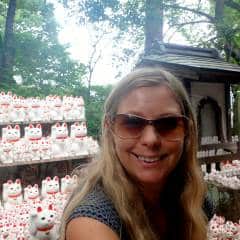
Who Writes This Blog?
My name is Helen Foster, and I’m a journalist and author. My travel articles have appeared in publications including The Australian, Escape, RAC Horizons, Jetstar Magazine, Sainsbury’s Magazine, and more.
I’ve travelled to Japan nine times before – solo and with my partner and visited over 50 towns and cities. My last visit was in April 2026, so everything here is pretty up to date.

