- How Long Should You Spend in Nara? - 12 February 2026
- Where to Stay in Hiroshima - 10 February 2026
- What to Wear in Japan: 15 Common Questions Answered - 9 February 2026
There are a lot of mistakes you can make on a trip to Japan – and a lot of posts covering them. Normally these lists are all about etiquette – don’t blow your nose in public, don’t eat and walk, don’t talk too loudly on trains, don’t tip – and they are all valid points if you don’t want to be ‘that tourist’ – but, there are also a few mistakes that don’t get mentioned in every list like this that I think you need to know about.
These are mistakes that can actually affect how much you spend on your trip, or how much you enjoy your trip … so, here, after many visits, a lot of planning, and, yes, a few stuff ups on my own part, is my list of 15 mistakes not to make on your Japan trip.
Article by Helen Foster. Disclosure: Some links in this post are affiliate links. See our Affiliate Disclosure.
- 1. Buying the Japan Rail Pass
- 2. Only Looking at Hotels on the Yamanote Line
- 3. Turning up at Disney or USJ at Opening Time
- 4. Not Calling Your Waiter
- 5. Assuming All Restaurants Serve Dinner
- 6. Planning Your Trip Around Sakura
- 7. Not Checking The Hotel Bed Size
- 8. Underestimating Snow
- 9. Ending Up in a Smoking Room
- 10. Not Checking Your Station Exit
- 11. Trying to Go to Shibuya Sky at Sunset
- 12. Carrying Heavy Suitcases
- 13. Only Using Trains
- 14. Only Carrying Credit Cards
- 15. Leaving Your Passport in Your Room
1. Buying the Japan Rail Pass
Without doing some maths at least.
The Japan Rail Pass used to be amazing value – if you were doing the normal routes of Tokyo to Kyoto/Osaka and back, it pretty much paid for itself – but then it went up in price and those days are gone – but I still see people considering whether they should buy it.
The answer, 98 percent of the time, is no – and if you are just going to Tokyo, Kyoto, and Osaka, you are in this group.
The two percent where it will pay off are going long distances – ie Nagasaki or Hokkaido and back to Tokyo, moving around the country a lot, or, doing the Tokyo/Kyoto/Osaka route and a few longer day trips in a short period. I’m traveling to 15 different cities and towns on my next 24-day trip but I cannot make the 21-day pass pay as they are all relatively short distances.

There is a slightly grey area with Hiroshima. If you are going from Tokyo to Kyoto/Osaka and back – and doing a day trip to Hiroshima – within 7 days a rail pass will pay off. The journey costs around 50,000 yen – which is the same price as the 7-Day Rail Pass BUT, it’s still cheaper to buy single tickets from Tokyo to Kyoto and use the 5-day Kansai Area Hiroshima Pass for your return journey to Hiroshima.
That will cost around 45,000 yen (although note, that you can’t use the shinkansen directly from Kyoto, you’ll need to use a local train to get you to Shin Osaka – but that’s easy). That’s the only common route for first-time travelers. I’ve found so far where the rail pass even comes close to paying off.
2. Only Looking at Hotels on the Yamanote Line
This is one piece of advice I see trotted out time and time again – but, I’ve been to Tokyo six times now and I think I’ve used to Yamanote Line about 15 times total in all of those trips – and most of those were the first one when I drank the Yamanote Kool-Aid.
For those who don’t know their Tokyo train system, the Yamanote Line is a circular line that goes around the middle of Tokyo. It goes to a lot of tourist sights, and, it’s included in the JR Pass which is why so many people used to love it as you could save some cash if you had a spare few days – BUT, it’s rarely the quickest way to get between destinations and it can be incredibly busy so, booking your hotel purely because of proximity to it, isn’t necessarily the best advice.

The key point when you’re booking a hotel is to make sure it’s by a station – any station – it doesn’t need to be a Yamanote Line one.
I’ve gone into a lot more detail on this in my longer post on why you don’t need to stay on the Yamanote Line – and when you might be one of the exceptions who does.
3. Turning up at Disney or USJ at Opening Time
So, Tokyo Disneyland or Universal Studios Japan say they are going to open at 9 am. You turn up at 8.50 am ready to get started – only to find, people already in the park queuing for The Enchanted Tale of Beauty and the Beast or catching coins in Super Nintendo World already.
The Japanese theme parks have a weird system where they open their gates 30-45 minutes before the official opening time, which means, if you want to get into the park first, you need to be there at least 60 minutes before they say they are going to open (sometimes more on a very busy day).

If you’re not an early riser it’s important to learn your way around the queue-jumping systems in each park.
At Universal Studios, buying an Express Pass can give you a bit of a lie in – or, if it’s mostly Super Nintendo World you’re interested in, then you can check out our guide on how to get the essential timed entry for that here.
At Tokyo Disneyland or Tokyo DisneySea, Premier Access will help you jump the long queues at rides like The Enchanted Tale of Beauty and the Beast or Soaring: Fantastic Flight – do note though, that you can’t buy these before you enter the parks and they can sell out, so you might not want to stay in bed too long!
4. Not Calling Your Waiter
I was sitting in a ramen place one evening and the French couple next to me were looking very perturbed. They’d been there a little while and were ready to order, but no matter how many traditional signs they gave – they’d closed their menus, they were looking around the restaurant – the staff wasn’t coming over.
Some people might assume this was a sign of poor service and leave, but, the truth was they hadn’t said the magic word. In most Japanese restaurants, your server won’t bother you unless you call them.

If the place is used to tourists they know that we don’t know that and will come over after a little while, but in other places, they stick to the rule and don’t come over until you call them.
So, don’t be afraid to ask for help. The word to use is ‘Sumimasen’ which translates to excuse me.
RELATED READ: Not using sumimasen is one of our 15 mistakes you can make when dining in Japan. You might want to read that after you’ve finished this.
5. Assuming All Restaurants Serve Dinner
It’s not an issue in big towns, but, if you’re staying somewhere a bit more rural, a day trip destination – or, in somewhere with a lot of ryokans where people often have dinner in their hotel, there might be a lot fewer places open at night than you think.

I’m researching Lake Kawaguchiko right now and of the 11 nearest eating places to my hotel, only three are open after 6 pm. I’ve noticed a similar thing in Miyajima – and, when I was contemplating staying in Amanohashidate, nothing was open after 5 pm outside of the hotels so I had to book in the next town.
If you don’t want to be traipsing around for ages after a long day of sightseeing, have a rough idea of where you might eat at night, plan to eat early – or, have a big lunch, and have a convenience store picnic for dinner!
6. Planning Your Trip Around Sakura
Right now there are a lot of disappointed people who booked holidays in April hoping to get peak cherry blossoms – only to discover that they’ve decided to bloom early this year and are likely to have all gone by April 7th.

This is not an unusual year – the previous three seasons also bloomed earlier than expected.
Yes, they are beautiful – but, you can’t guarantee when they are going to bloom so, look at them as a nice bonus, not the reason for your trip!
RELATED READ: If you do get lucky, don’t just plan to visit the most popular cherry blossom areas, we’ve got some suggestions of some favourite local sites here.
7. Not Checking The Hotel Bed Size
It’s a room for two, it’s going to have a bed big enough for two right – erm, not necessarily. Japanese beds can be very small – and, some hotel rooms have what’s known as a semi-double which is smaller than a western-sized double bed – and, probably grounds for divorce if you’re used to sleeping in a Queen, King, or Super King!

Make sure you check the bed size – and also where it’s positioned. In smaller hotel rooms, the bed can be pushed up against the wall, making it annoying if you’re sharing it with a partner who gets up a lot at night. Seeing if the pillows touch is another red flag for us.
Now it’s true that hotels with bigger beds tend to charge bigger prices, so do what Mr Japlanease and I do and book a twin – it doesn’t mean we hate each other; in fact, it means we get a decent night’s sleep so we don’t!
8. Underestimating Snow
‘Erm, we’re stuck and I’m not quite sure what to do,’ read a Facebook message from my friend who was driving between Fuji Five Lakes and Hakone one day in February.
Waking up to a pretty blanket of white stuff – the first time, her husband had ever seen snow, they had got halfway to their destination to be flagged down by a road crew who told them they had to stop – they didn’t have the right tires on the car to travel safely – but couldn’t explain much else in English about when they might be able to continue.
Thankfully, they were in a town with a lot of hotels and so, they managed to snag a bed for the night and continue the next day. And these are otherwise very experienced travelers.

Image @Charles Akkary
So, yes snow is pretty, but it can also play havoc with your plans so, if you’re traveling to areas of snow – not just the ski resorts, but around Mount Fuji, Hakone, the Alps regions like Nagona, Takayama, Kanazawa, etc in winter – and you’re going to be driving, keep an eye on the snowfall forecast.
If heavy snow is forecast, either be prepared to change your plans – or ask about snow chains or tyres that you might be offered as an add-on from your car rental company. ‘They closed the whole road at 11 am, so even chains wouldn’t have got us through then, but we got stopped at 8 am, so they might have got us to Hakone if we’d had them,’ says my friend who wasn’t offered chains by the car company.
Also, watch out for snow if you’re catching other transport – recently, a shinkansen missed its stop, delaying the whole network because of snow under its wheels, and very heavy snow can also affect flights, even from areas like Hokkaido – if you’re traveling from a snowy destination, get back towards the airport at least one day before your homebound flight just in case.
Also, allow extra time for luggage transfer if it’s snowing. I’ve seen at least one person have to leave without their bags as they were sending them back to the airport to collect before their flight – but heavy snow slowed things down.
9. Ending Up in a Smoking Room
I talked about this when I did my guide to Japanese business hotels as these are the most common type of accommodation where you’ll experience this – but, some Japanese hotels do still have smoking rooms, and so, if you’re booking in and the smell of smoke bothers you, make sure you expressly pick a non-smoking room when you book.
It’s a deal breaker for me so, I check and double-check – and ideally, I pick completely smoke-free hotels so it can’t even be an issue.
RELATED READ: If you are a smoker, then make sure you know the rules about smoking in Japan.
10. Not Checking Your Station Exit
It matters. There are 200 different exits at Shinjuku Station – and if you come out of the wrong one you can easily be a kilometer away from your intended destination.
Also, check your entrances. Coming in at the wrong entrance at Nagoya Station meant we got hopelessly lost underground meaning we only got 90 minutes at the Maglev Museum (one of the main things I wanted to do in Nagoya), not the 2 hours that we planned.
Even in smaller stations, knowing which exit you need to come out of can save you time and extra steps.

Image @charlesakkary
This is one reason why I suggest everyone, even those who don’t normally bother with internet access on their holiday, get online in Japan so they can use Google Maps. This will plot your route for you and tell you which exit to come out of – you can then follow the signs to that inside the station.
11. Trying to Go to Shibuya Sky at Sunset
Okay, so that’s not technically the mistake – it’s pretty up there (albeit busy). The mistake is thinking you can do this without booking in advance. They simply won’t take a walk in at that time of day.
You have to book your tickets two weeks in advance.
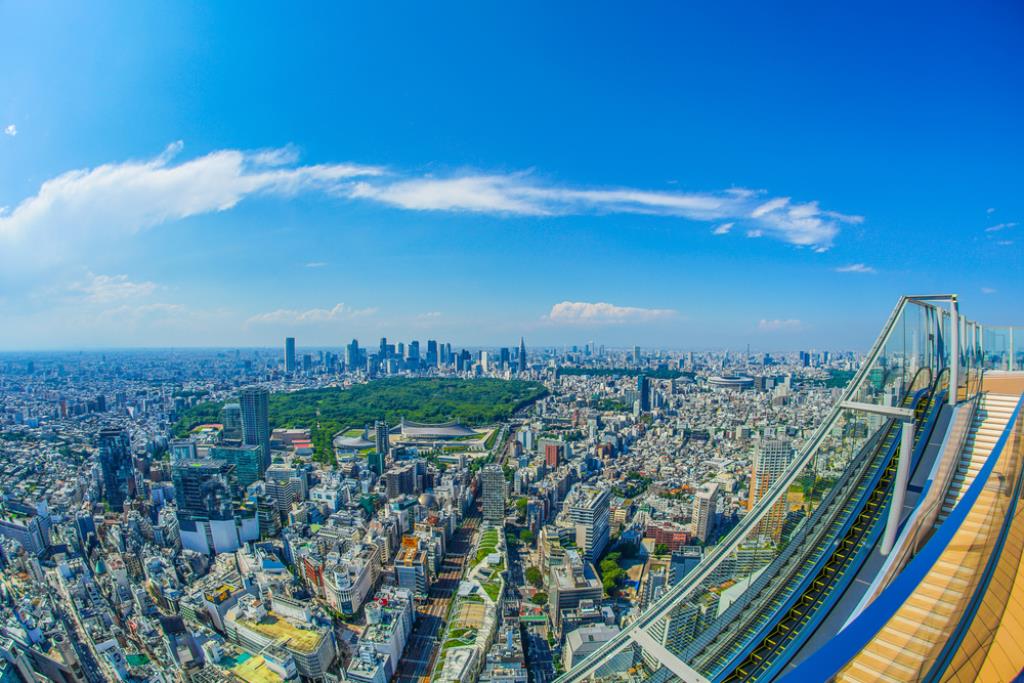
Ditto, trying to get into the Pokemon or Kirby Cafes (unless you are very lucky and a cancellation happens as you arrive) without a booking, visiting the Yayoi Kasuma Museum, or trying to get into either of the two official Ghibli attractions.
A lot of popular attractions in Japan need advance bookings. Find a list of some of the most popular ones in Tokyo here.
Save Money with Klook & Japlanease
If you plan on buying tickets or tours from Klook for when you’re in Japan, you could save up to 10 per cent by using the code JAPLANEASEKLOOK at the checkout. Click here to see what’s on offer.
T&Cs apply. Some items, including Tokyo Disney and USJ tickets, are not available for discounts.
12. Carrying Heavy Suitcases
‘Do I need to book the bullet train in advance?’ is a question I’m asked a lot. ‘How big is your suitcase?’ is one question I ask back.
The Shinkansen luggage rules dictate that suitcases over 160cm (if you measure the width, height, and depth and add those together) have to go in a special area of the bullet train which needs a reservation – and that can make it trickier to travel on trains that you haven’t reserved in advance.
But, even if your case is under these measurements, it needs to be light enough to lift onto the overhead rack – or small enough to put in front of your legs.

When we were going from Kyoto to Tokyo on my last trip, a lot of older travelers who hadn’t realized any of this got a rude awakening when they were given their luggage back by the guard and then had to try and lift it above their heads to put it on the rack. Many of them were completely stuck.
You’re also going to have to carry that case up at least one set of steps on every train journey as not every station exit has lifts. Small cases and packing light is the way to go.
If you’re not a light packer, you might want to explore luggage transport – this system can transform your journeys between hotels.
13. Only Using Trains
I’m not writing this as Ms Super Smug, look at me, I’ve got Japan all sorted out – I’m still learning too.
My last trip to Japan with Mr Japlanease went very wrong as I didn’t realize the Fukushima tour we wanted to go on was only taking four people a day and I left it too late to book. My trip in October this year was all booked around a parade in Kyoto – only to discover they’ve moved it to April – once we’d booked the flight.
And, on my last trip, I discovered the mistake above.
I’d only ever used trains to get everywhere – but, using buses can save you so many steps. You don’t realize how far it can be to get into a Japanese train station until you start doing it, even if you stay by the entrance, you can walk 2000 steps to get to your platform and out again, and that mounts up. You don’t have that with buses – you find the stop, you get on.

My trip to Kyoto became so much more pleasant when I wasn’t trying to walk to nearest the station (although the tourist board will hate me for that as they are running a whole campaign about getting tourists off buses and onto trains.)
The fact is that modern technology makes buses far easier to use now. In the big cities, the buses have announcements and screens in English, plus you can follow your route in Google Maps. Flat fares and transit cards mean you don’t have to try and negotiate the correct fare. Do not discount the buses.
Need Extra Planning Help?
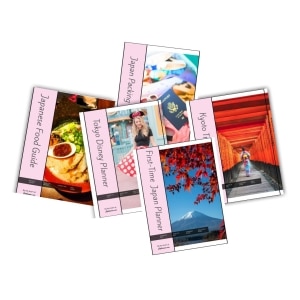
Our Japan trip planners can help. You might like our First-Timers Japan Planner, which will help you plan your trip to Tokyo, Kyoto and Osaka step-by-step, including tips on everything from picking hotels to sightseeing and dining. Or our super-duper Tokyo Disney Planner makes arranging your park trip MUCH easier. Find them in our Planners store – printable and digital versions are available.
14. Only Carrying Credit Cards
It’s got better but, Japan still doesn’t take cards everywhere – especially foreign ones. A lot of the people I see saying ‘I haven’t used cash for months,’ live in Japan and so have access to different payment systems than a tourist.
Most shrines, small bars and restaurants, some road tolls, and even some branches of Daiso, do not take cards, especially foreign cards. There is a workaround, which is filling up one of the transport cards like Suica (I explain all of this in our guide to cash in Japan), but, even so, it’s still a good idea to have a few thousand yen in cash on you just in case.
Oh – and no, you can’t always just tap onto the trains with your card or phone like you can in some other countries (although this is changing). You have to have a transit card to act as an intermediary. See more about this in our guide to using Suica cards.
15. Leaving Your Passport in Your Room
It’s the law to carry your passport in Japan . I know it’s stressful to think about getting it lost or damaged, but, so is ending up at the police station or getting fined – both of which are possible if you are stopped and asked for it.
It’s not the thing that can get you into trouble; reading our guide to 9 Things Not to Bring to Japan might also get you out of trouble.
So that’s my list of 15 of the biggest mistakes you can make when traveling in Japan – there are more, but this could go on forever. I cover a few more in our 100 tips to read before you get to Japan piece so if you haven’t read that yet, I’d suggest going there next.
If you’re traveling to Kyoto, you’ll probably also want to read our guide to beating the crowds in Kyoto to make sure you don’t make any mistakes there either.
Who Writes This Blog?
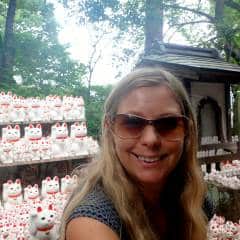
My name is Helen Foster, and I’m a journalist and author. My travel articles have appeared in publications including The Australian, Escape, RAC Horizons, Jetstar Magazine, Sainsbury’s Magazine, and more.
I’ve traveled to Japan eight times before – solo and with my partner and visited over 25 towns and cities. My last visit was November 2024 so, everything here is pretty up to date.