- How to Watch the Oiran Parade at Edo Wonderland, Nikko - 15 October 2026
- 8 Mistakes Not to Make in Autumn Leaf Season in Japan - 10 October 2026
- How to Spend One Day in Nara - 29 September 2026
If you’re looking for a spot to stop on the journey between Tokyo and Kyoto/Osaka, there are a lot of options to choose from. Here are our 12 suggestions that are definitely worth visiting.
If you’re planning to dash between Tokyo and Kyoto or Osaka in one go, glued to the window hoping for a glimpse of Fuji, honestly, you’re missing out.
The stretch between Tokyo and Kyoto or Osaka is basically a greatest-hits reel of Japan – hot springs, samurai history, lakes, volcanic coastlines and sandy beaches, castle towns and proper views of Mount Fuji, and in some places, very few other tourists. If you have a few spare days on your trip, why not stop off?
Article by Helen Foster. Disclosure: Some links in this post are affiliate links. See our Affiliate Disclosure.
On my ninth trip to Japan, I decided to do just that. I spent almost three weeks of my trip just visiting places to stop between Tokyo and Kyoto. It was fantastic – and so, here are my suggestions for some great places to stay for a day or two (or more) in between Tokyo and Kyoto/Osaka.
Note: The bullet train fares quoted are for an unreserved seat on the Shinkansen and are correct on the day I write this. Osaka fares will be slightly higher, and the journey time will be 15 minutes longer than travelling to Kyoto. Times are for the fastest route offered, but other routes may be better depending on where you are staying. To travel the other way and stop off between Kyoto and Tokyo, simply reverse the advice! Check all fares and transport details before your journey in case of changes.
1. Kamakura
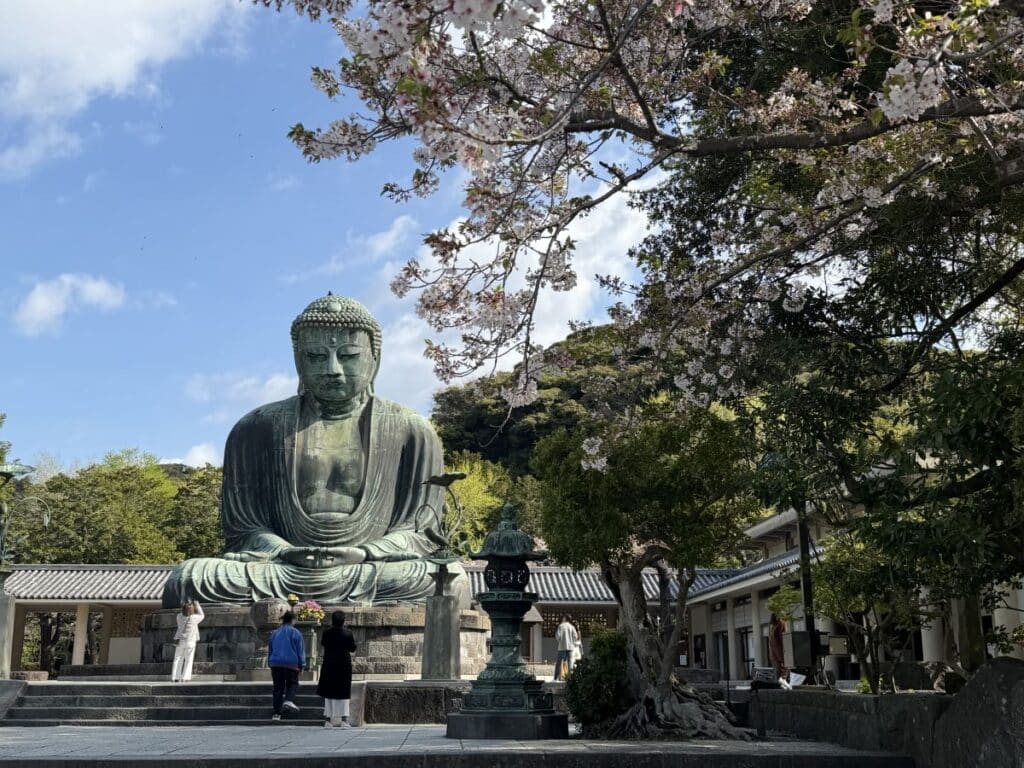
Kamakura might not be far from Tokyo, but it’s a world away in atmosphere. It’s old school, temple-dense, coastal, and refreshingly walkable. You can also visit the nearby island of Enoshima to capture seaside vibes and, potentially, views of Mount Fuji.
3 Must-Sees
- The Great Buddha (Kotoku-in)
- Enoshima Island
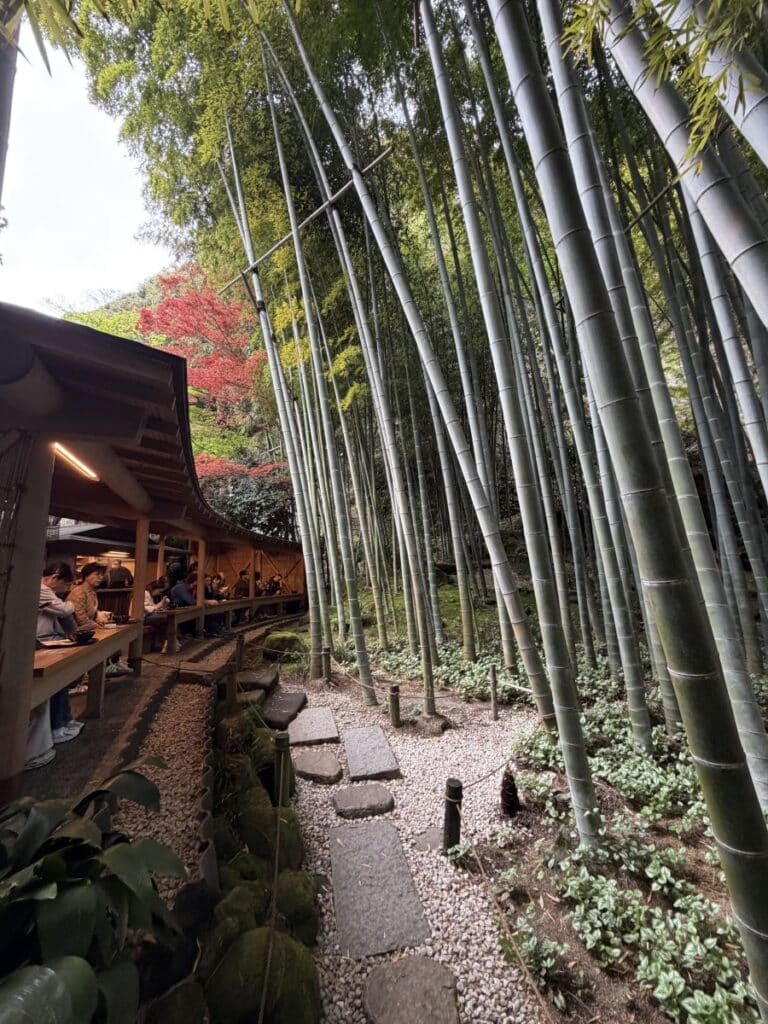
- Houkokuji Bamboo Forest – a lot quieter than the one in Kyoto
How Long to Stay
Two nights if you want to visit most of the temples and Enoshima.
I picked the Hotel Metropolitan Kamakura, which is close to the station and has lovely, bright, modern rooms.
Transport Options
From Tokyo: There are a few options. The Yokosuka Line runs from Tokyo Station directly to Kamakura. The Shonan Shinjuku Line will take you from Shinjuku. Check Google Maps for the best route from your accommodation.
Total Time and Cost: Generally, it takes 1 hour and costs around ¥1000 to get to Kamakura from Tokyo.
To Kyoto: Again, there are a few options, but taking local lines to Shin-Yokohama and jumping on the Shinkansen here can be the quickest. Check train times carefully, though, as not all trains stop at Yokohama.
Total Cost and Time: Around 3 hours, ¥13,660
2. Hakone
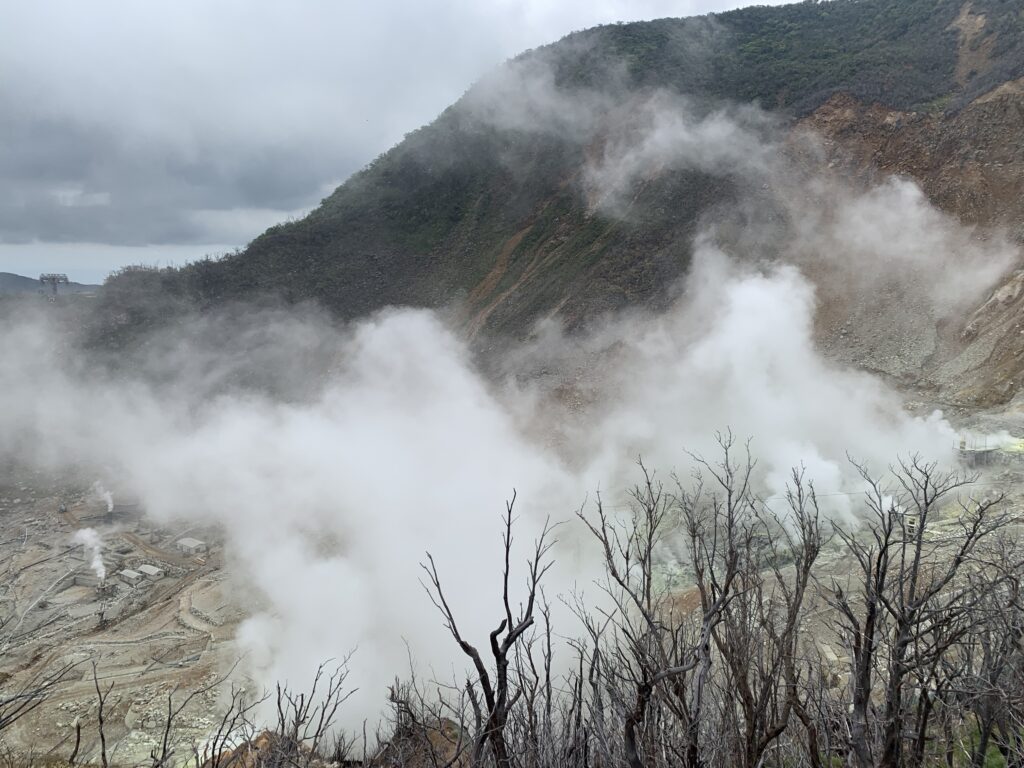
Hakone is a mountainous hot spring town with jaw-dropping (weather-permitting) views of Mt Fuji, a lake you can cruise across on a slightly ridiculous pirate ship toward a fabulous volcanic area (a trip also known as The Loop), and enough art museums and open-air baths to fill several days, let alone one.
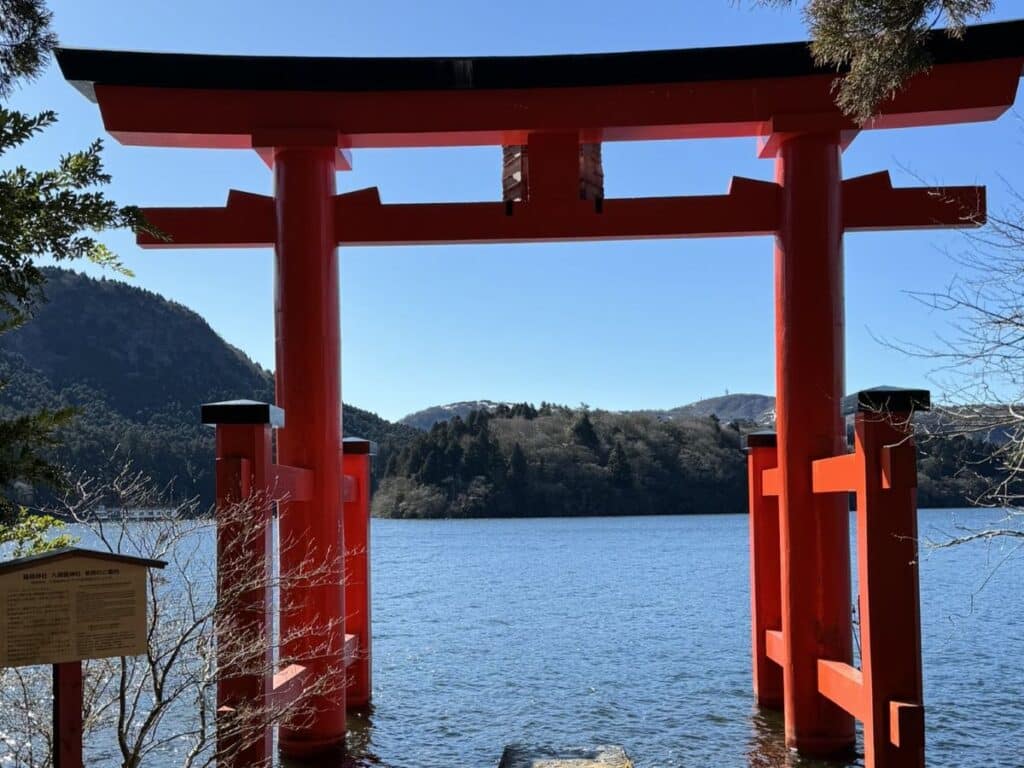
If what you want from your stopover is nature, the chance to soak in an onsen, and maybe stay in a hotel that offers ryokan-style service and a kaiseki-style meal, Hakone is a great option. It’s easy to get here from Tokyo, but a little more complicated to reach Kyoto.
The 3 Must-Sees
- The Hakone Open-Air Museum
- Owakudani volcanic valley (and the black eggs)
- Lake Ashi and the Hakone Shrine torii gate.
Find more ideas in our guide to the Top 10 Things to do in Hakone.
Stay For
Two days is the perfect amount of time to see the Loop, relax in your hotel onsen and see a few of the other sites. I stayed at the Mount View Hakone, which was a little less expensive than many Hakone hotels, but lovely and peaceful.
Transport Options
From Tokyo: The quickest route is to catch the Romance Car train direct from Shinjuku to Hakone Yumoto.
Total Time and Cost: This takes 1 hour and 37 minutes and costs ¥2350 – the basic fare plus the Limited Express supplement.
If you plan to do the Loop on your trip, consider the Hakone Free Pass, which includes local trains from Shinjuku to Hakone, or the Romance car if you pay the extra supplement. This explains it in more detail.
To Kyoto: Take the Hakone Tozan line from Hakone-Yumoto to Odawara. Then catch the Tokaido Shinkansen to Kyoto Station.
Total Time and Cost: About 2 hours 45 minutes, ¥12,8600.
3. Lake Kawaguchiko
Kawaguchiko is the most accessible of the Fuji Five Lakes, and it’s presided over by jaw-dropping views of Mount Fuji.
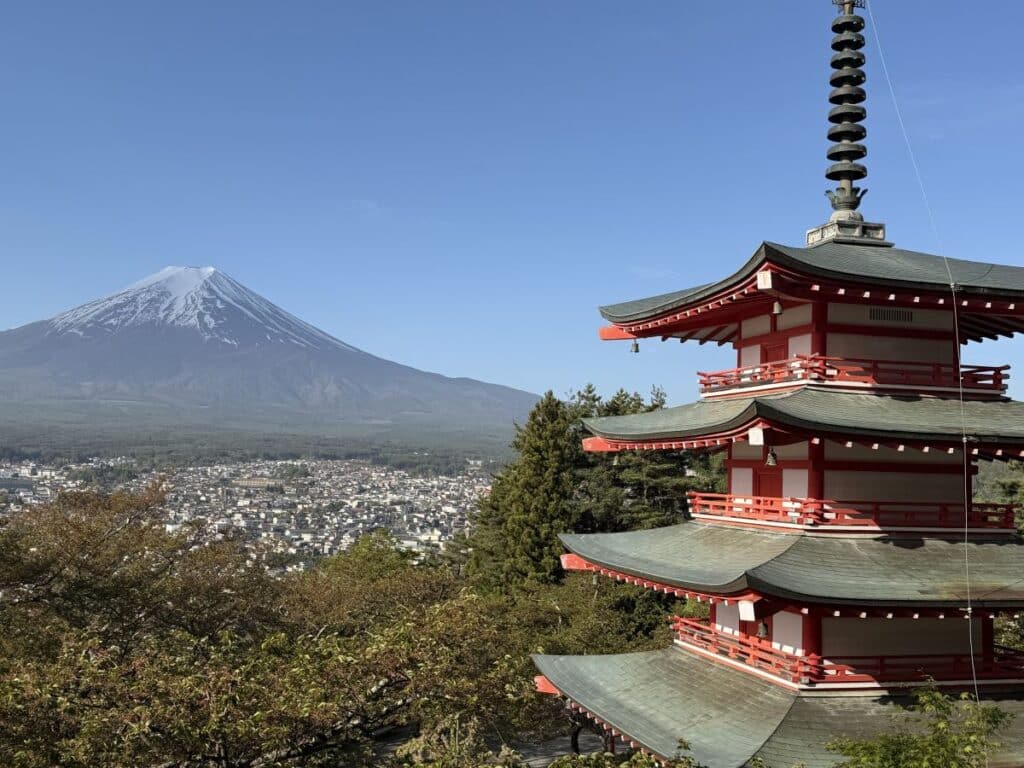
On a clear day, the mountain reflects perfectly in the lake’s water, but you can get fabulous shots of Fuji all around this area if conditions are right. A lot of spots here can get very busy as people come in for the day, but staying overnight allows you to beat the day trippers – and the queues – at fabulous views like this one at the Chureito Pagoda.
3 Must-Sees
- Chureito Pagoda
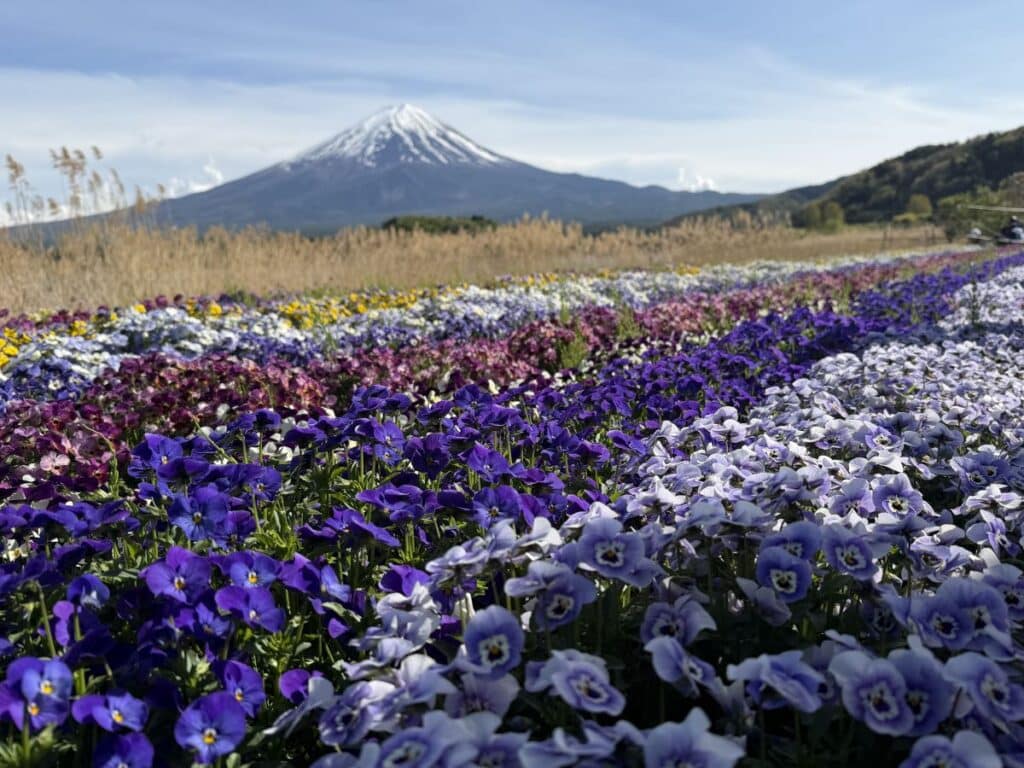
- Oishi Park for a view of Mount Fuji with flowers
- Kubota Itchiku Art Museum’s beautiful display of kimonos
Stay For
One night might be enough if you are travelling during a season when Mount Fuji is commonly spotted. If not, two nights increase your chances of getting a glimpse of this somewhat shy icon.
As for where to stay, my budget choice was the Station Inn Kawaguchiko, which directly faces the mountain at a bargain price. But, if you’re looking for something a bit more special, consider Wakakusa no Yado Maruei or the Mizno Hotel.
Transport Options
From Tokyo: Direct highway buses from Shinjuku or Tokyo Station travel straight to Kawaguchiko Station. Or, the Fuji Excursion Train from Shinjuku is the direct train option – but this can sell out, so book as soon as you can.
Total Cost and Time: Both routes take around 2 hours and cost around ¥2,300
To Kyoto/Osaka: There’s no direct route. Instead, take the Highway Bus from Kawaguchiko Station to Mishima, then catch the Shinkansen to Kyoto.
Total Cost and Time: 3 hours and 45 minutes, ¥13,610.
4. Odawara
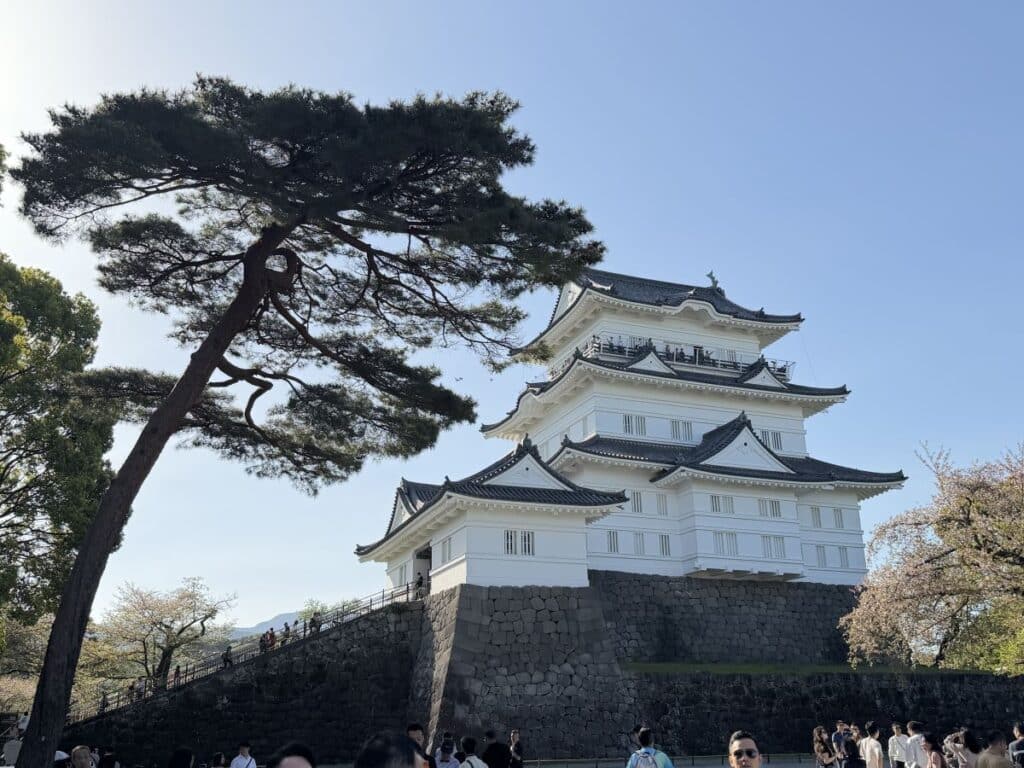
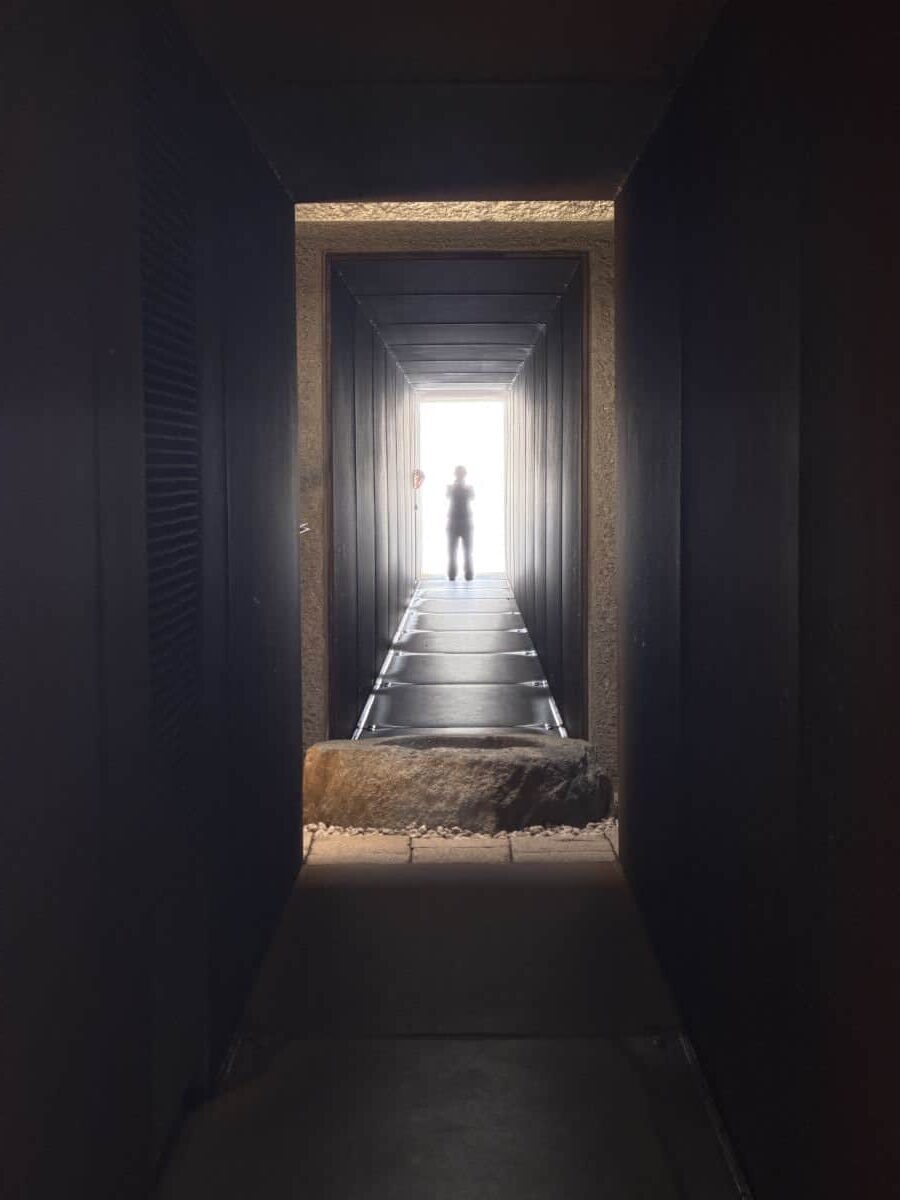
Odawara mostly gets treated as a gateway to Hakone, but after spending a couple of days here on my last trip, I think that’s a bit unfair – the city has a lovely reconstructed castle and a pretty, if stony, beachfront. The seaside city of Atami is an easy day trip away, as is the Enoura Observatory art gallery, which is just beautiful.
Odawara has a great laid-back, low-key vibe for a night or two off the main tourist trail.
3 Must-Sees
- Odawara Castle
- Enoura Observatory
- The giant bucket of ramen at Ajiichi Hojo
Stay For
One or two nights. You can see Odawara in one day, but if you want to add Atami and/or Enoura Observatory, then add an extra day. I stayed at the Tenseien Odawara Station Annex, which has decent-sized rooms, an onsen and a lovely rooftop footbath that overlooks the city.
Transport Options
From Tokyo Station: Take the Tokaido Shinkansen from Tokyo Station or Shinagawa
Total Time and Cost: About 35 minutes, ¥3,280.
To Kyoto: Take the Shinkansen from Odawara Station to Kyoto Station
Total Time and Cost: About 3 hours, ¥11,770.
5. Atami
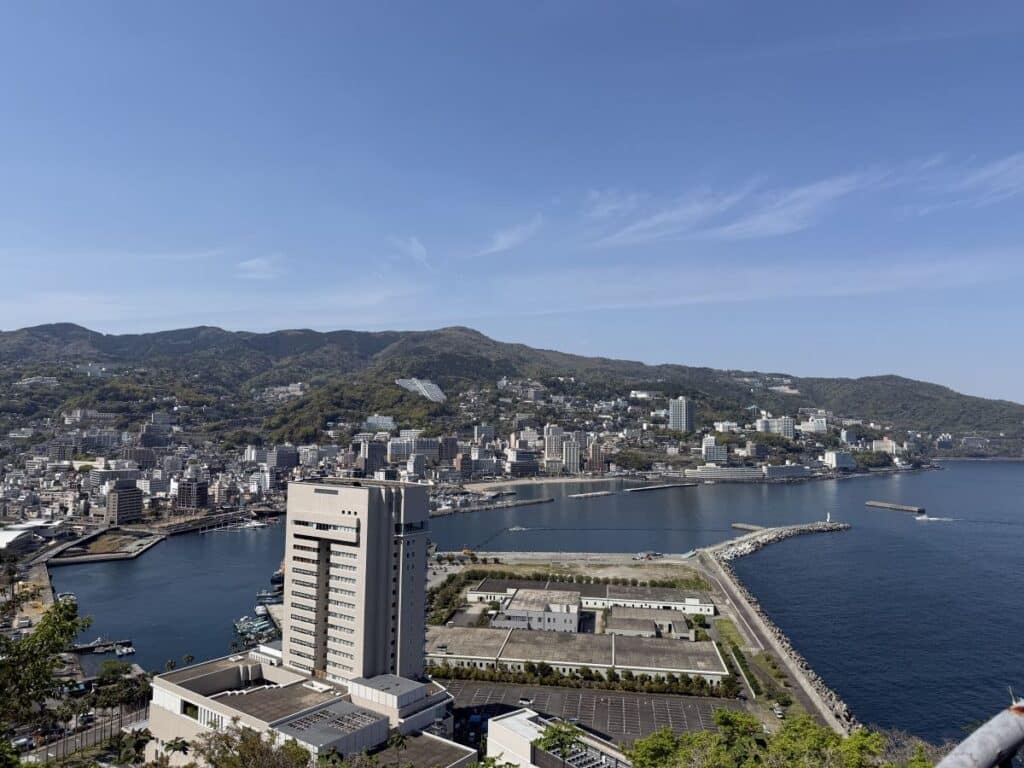
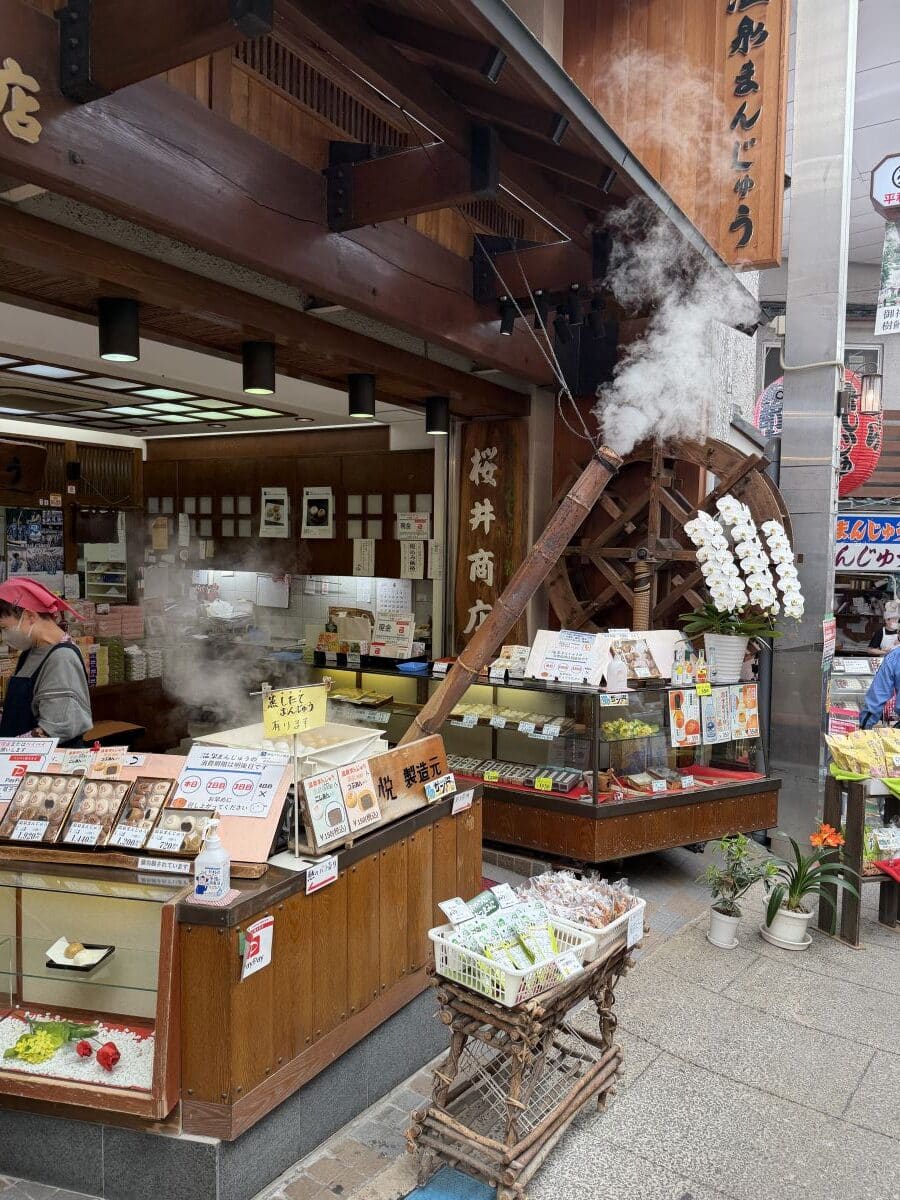
There are two sides to Atami. You can get away from it all in one of the town’s many hot springs hotels or, you can channel the old-school Japanese seaside onsen resort vibe and visit the seafront, the erotic art museum, and the retro high street full of street foods to try.
3 Must-Sees
- MOA Museum of Art and Atami Yamaguchi Museum
- Atami Sun Beach and the seafront promenade
- Nakamise-dori and Atami Heiwadori
How Long to Stay
One night, if you’re sightseeing or just relaxing in the onsen. Two, if you want to do both
The Fufu Atami ryokan is very highly rated. Or, for a family stay, look at Hoshino Resorts Risonare Atami.
Transport Options
From Tokyo Station: Tokaido Shinkansen to Atami Station
Total Cost and Time: About 50 minutes, ¥4,700.
To Kyoto: Shinkansen from Atami Station to Kyoto Station.
Total Cost and Time: 2 hours and 50 minutes, ¥11,550. You can sometimes do this more quickly if you change trains en route.
Need Extra Planning Help?
Our Japan trip planners can help. You might like our First-Timers Japan Planner, which will help you plan your trip to Tokyo, Kyoto and Osaka step-by-step, including tips on everything from picking hotels to sightseeing and dining. Or our super-duper Tokyo Disney Planner makes arranging your park trip MUCH easier. Find them in our Planners store – printable and digital versions are available.
6. Izu Peninsula
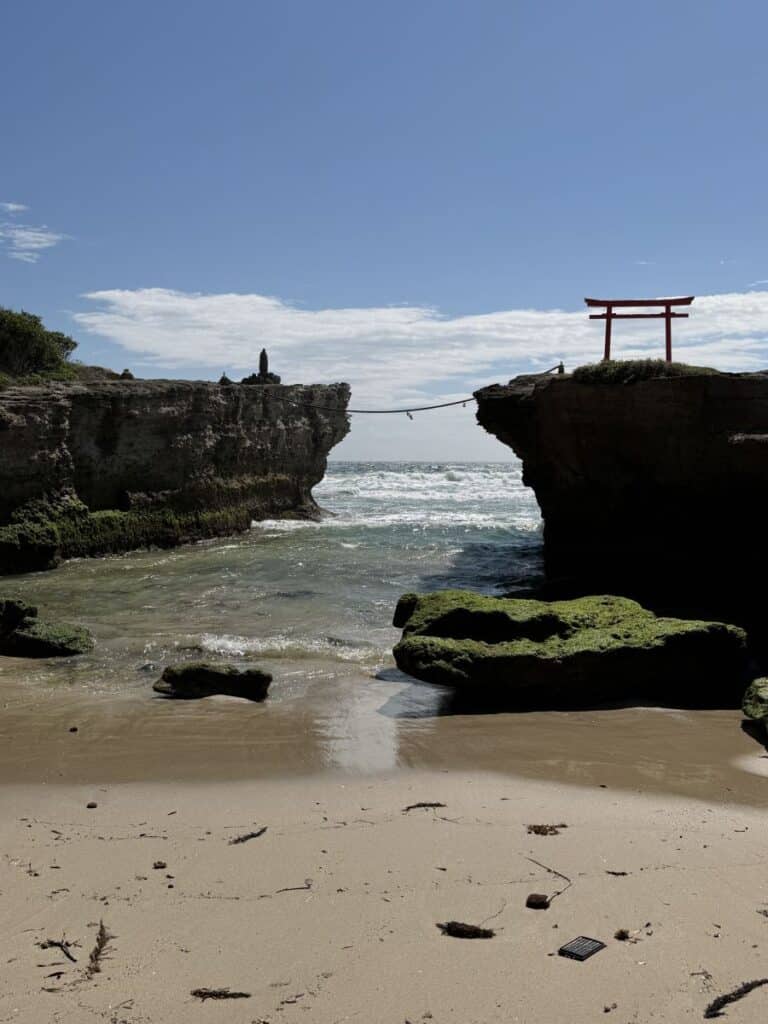
If you want small towns with a lazy pace, few tourists, amazing coastal scenery and a multi-day side hop that can take in everything from volcanic cones, incredible waterfalls, sandy beaches, and even the chance to stay the night next to a capybara, Izu is where you want to stop.
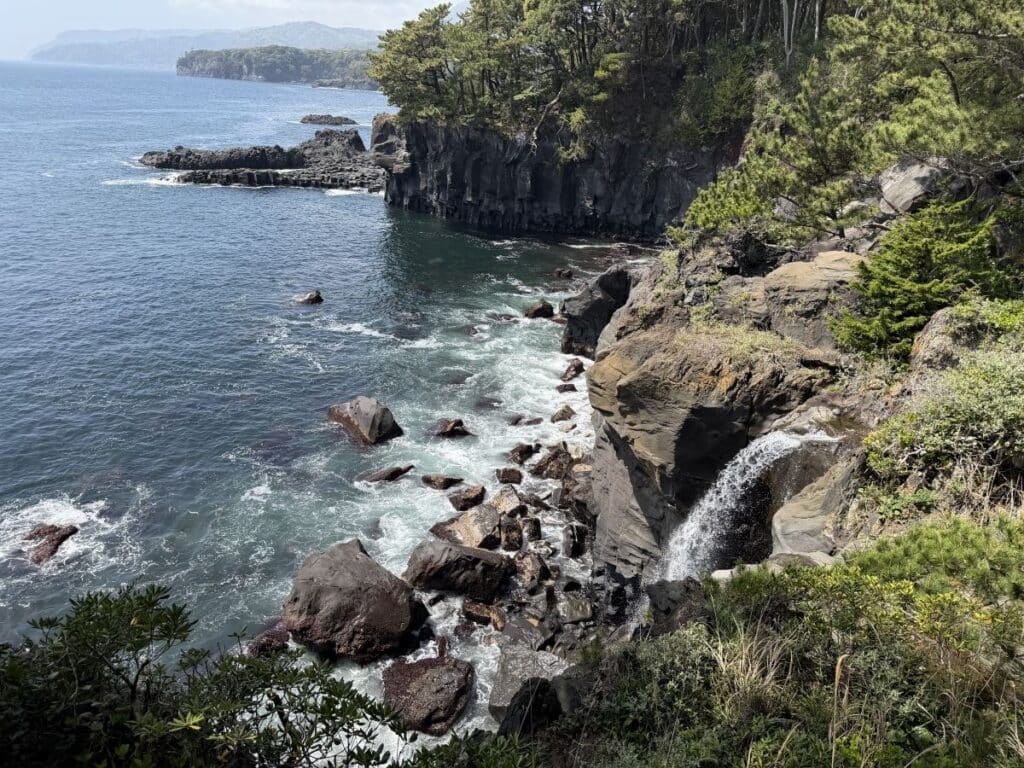
Ito is the gateway town, and staying here allows you to jump around the peninsula by train or bus. Or make it a multistop tour heading toward Shimoda, the small town at the southern tip, stopping off at small towns on the way. The further south you go, the whiter the beaches get.
3 Must-Sees
- Mount Omuru and Izu Shaboten Zoo
- Jogasaki Coast cliff walk near Ito
- Kawazu’s Seven Waterfalls
How Long to Stay
At least three nights. I had five and worked my way south from Ito to Shimoda. If you then want to work back up the West Coast, you might want to allow seven days.
I stayed in K’s House in Ito. This has hostel rooms, but also private Japanese-style rooms.
Then moved to a sea view room at the seafront Izu Imaihama Tokyu Hotel near Kawazu (didn’t want to leave this one), ending up in the Shimoda Kaihan, which is simple but offers a fun, proper Japanese holiday experience.
Transport
From Tokyo: Take the direct Odoriko Limited Express from Tokyo Station. For luxury, you can also book the Saphir Odoriko, which does the journey twice a day. This also travels from Shinjuku at weekends.
Total Time and Cost: To Ito, 1 hour 40 minutes, ¥4,000 on the normal train. Shimoda adds an hour and costs ¥6,500.
To Kyoto: Head back to Atami on the Ito or Izukyuoko lines and catch the Tokaido Shinkansen to Kyoto Station
Total Time and Cost: About 4 hours from Ito, ¥12,520. Add an hour if you’re leaving from Shimoda.
7. Mishima
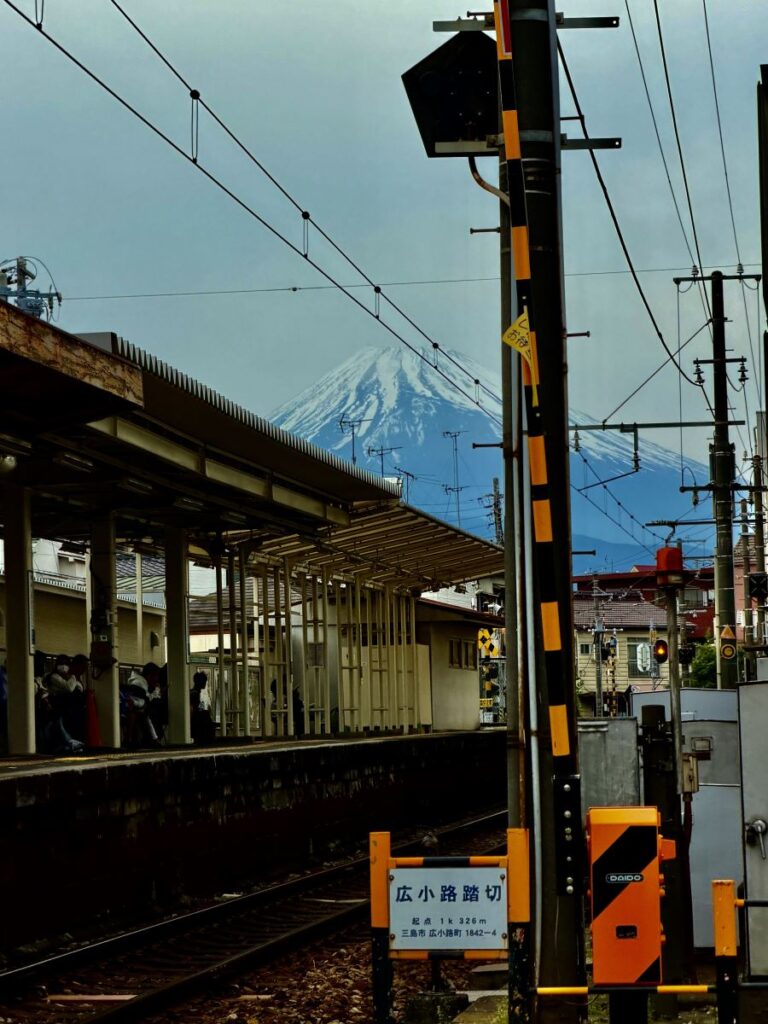
Mishima is a bit of a hidden gem – a compact, walkable town with clear spring-fed rivers running right through it (it sits at the base of Mt Fuji, fed by snowmelt). Choose the right hotel, and you can even see Mount Fuji from your room – I did!
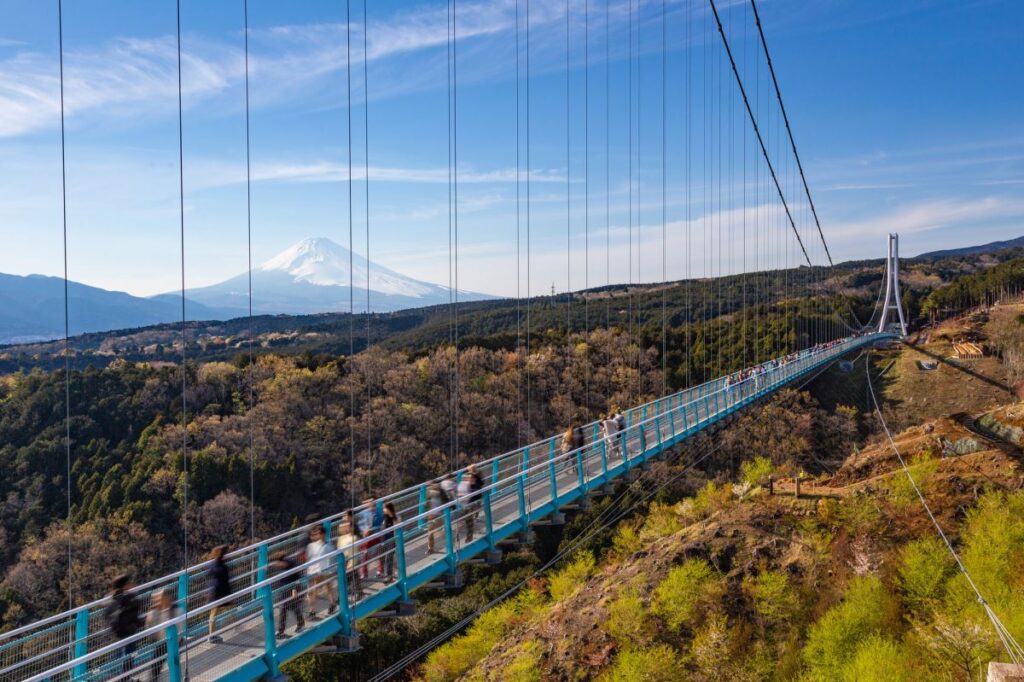
But the beauty of Mishima is how easy it is to visit so many other places on this list – and more.
A great craft beer scene will also help fill your evenings with merriment!
3 Must-Sees
- Mishima Skywalk (Japan’s longest pedestrian suspension bridge, with Fuji views)
- Genbei River walk – just meandering around this city is a joy
- Retro floating ice creams at Donguri in nearby Namazu
Stay For
One night is enough to explore the town – but, if you want a longer break, there’s certainly enough to do for up to a week.
I spent five nights here on a recent trip and used it to not only explore the city, but as a base to visit Shuzenji, Numazu, Shimizu, the iconic Fuji view at Miho Misaki Beach and Shizuoka. You can also get the bus to Lake Kawaguchiko from here.
I stayed at the Dormy Inn Mishima and had an amazing view of Mount Fuji from my window and the on-site onsen.
Transport Options
From Tokyo: Take the Tokaido Shinkansen to Mishima Station
Time and Cost: 50–60 minutes, ¥4,500.
To Kyoto: Take the Tokaido Shinkansen from Mishima Station to Kyoto Station
Time and Cost: One hour 50 minutes, ¥10,780.
8. Shizuoka
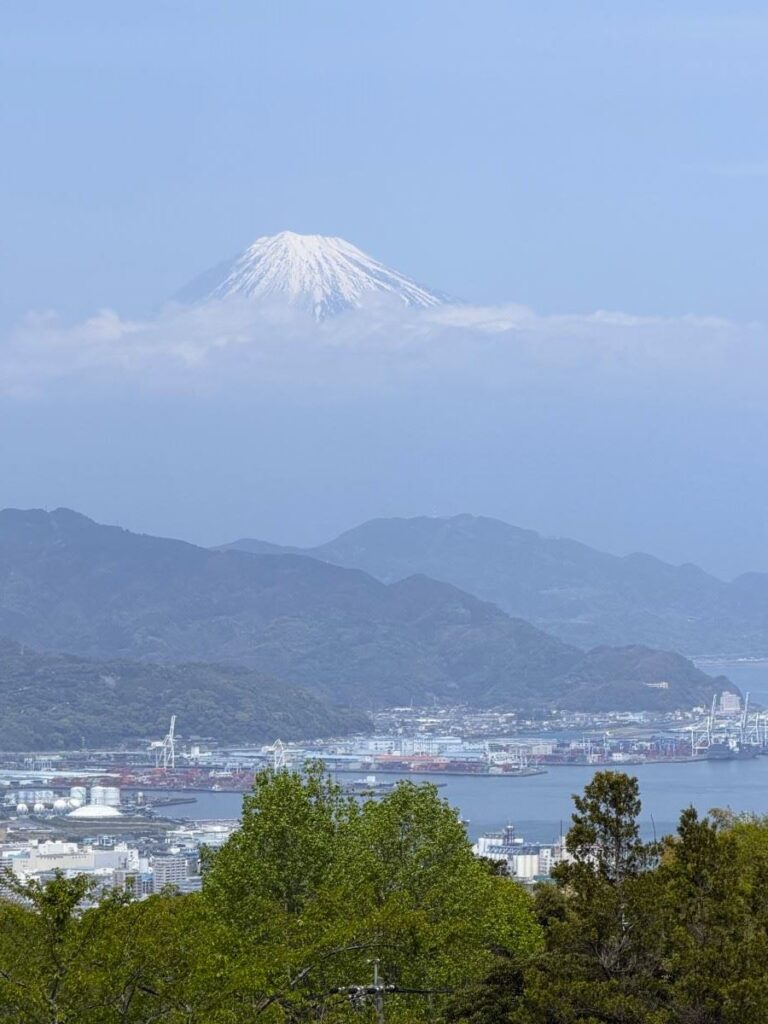
Shizuoka City is green tea country – the surrounding hillsides supply a huge chunk of Japan’s tea – and on a clear day, it also gives you one of the best straight-on views of Mt Fuji anywhere on this route.
I only spent the day in Shizuoka, but it was enough to make me want to come back and experience the city again for longer. I think the atmospheric little alleys full of izakaya selling oden would be fantastic at night.
3 Must-Sees
- Nihondaira – gorgeous views of Mount Fuji overlooking tea fields
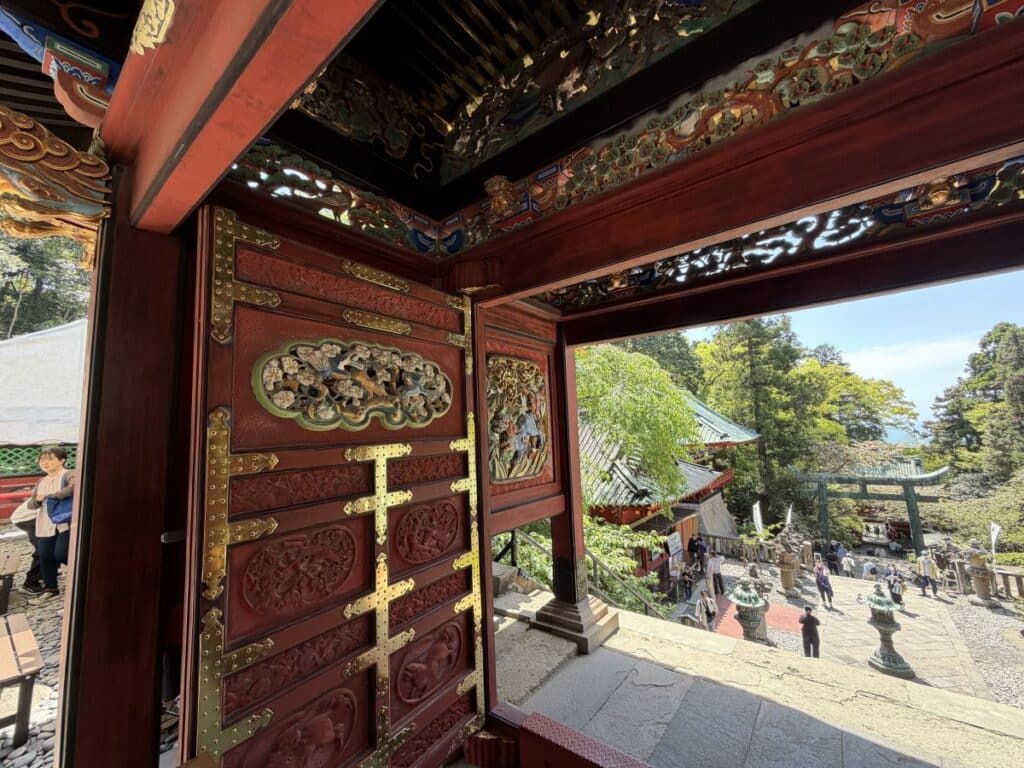
- The Ropeway to the ornate Kunozan Toshogu Shrine
- A proper green tea tasting or a trip to the tea fields
Stay For
At least one night (two days). The main sites are a little way outside of town, so give yourself space to enjoy those and the city itself.
If you want to stay in town, try Hotel Associa Shizouka (train buffs will love it) – or, for beautiful views of Mount Fuji and quiet surroundings, pick the Nippondaira Hotel.
Transport
From Tokyo Station: Hikari or Kodama Shinkansen, about 1 hour, around ¥6,670 unreserved.
To Kyoto: Hikari or Kodama Shinkansen, about 2 hours 10 minutes, around ¥13,000–14,000.
9. Hamamatsu
This is the only place I haven’t personally visited on this list yet. I had one day to do it in, and I decided that probably wasn’t enough to do it justice, so I decided to save it for when I could go properly.
Museum lovers will definitely want to carve out some time here. You’ll find museums on everything from aircraft to musical instruments.
The city is also home to one of Japan’s best flower parks and a small castle, and a little way out of town, you’ll find the Kanzanji ropeway, Japan’s only ropeway over a lake. That same lake also produces the eel that Hamamatsu is famous for – make sure you enjoy an unagi dinner.
3 Must-Sees
- Hamamatsu Castle
- Hamamatsu Flower Park
- Museum of Musical Instruments and Yamaha Museum
Stay For
At least one night (two days). The sights of Hamamatsu are a bit spread out, so you’ll need to allow yourself a bit of extra sightseeing time.
Okura ACT City Hotel is a great central base to explore the city.
Transport
From Tokyo Station: Hikari or Kodama Shinkansen to Hamamatsu, about 1 hour 25 minutes, ¥7,910.
To Kyoto: Hikari or Kodama Shinkansen, to Kyoto Station about 1 hour 5 minutes, ¥7,910.
10. Nagoya
The biggest city on this list. Nagoya gets an undeserved reputation as the city you pass through rather than stop in – but I loe it here.
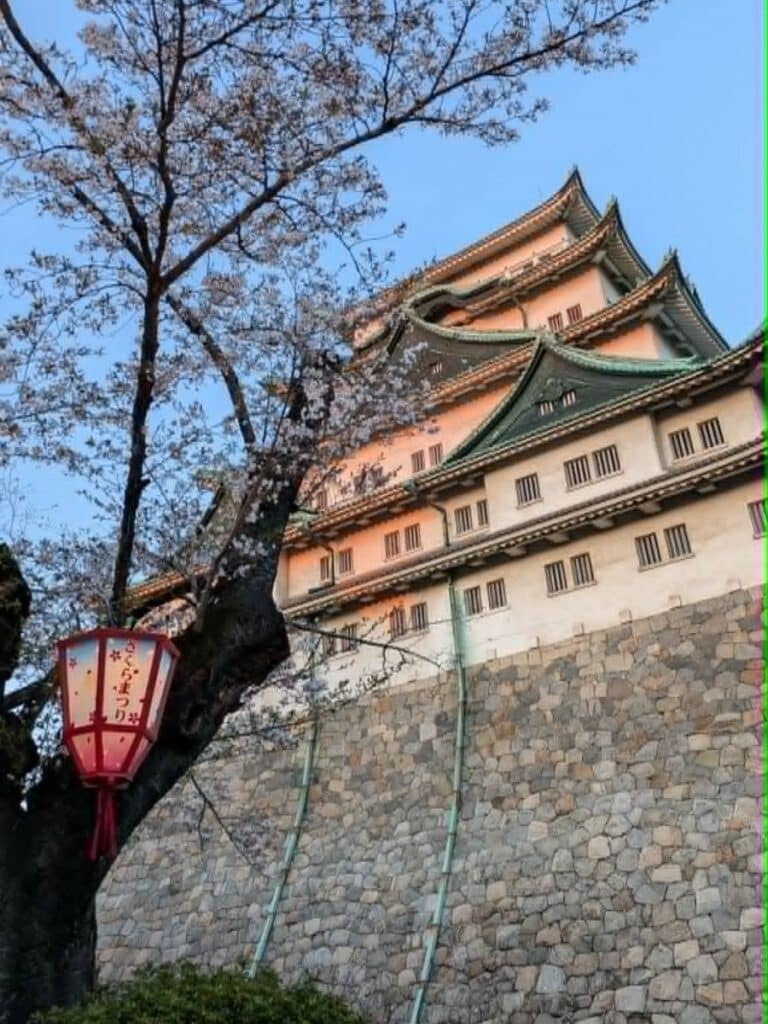
It’s got its own castle, its own food culture (hello, miso katsu), it’s home to a real-life world of Ghibli, there are some really fun shrines to visit, and it’s a genuinely useful base if you want to branch out to visit small towns like Gujo Hachiman or Takayama. I’ve been twice and spent six days here so far, and still haven’t got bored.
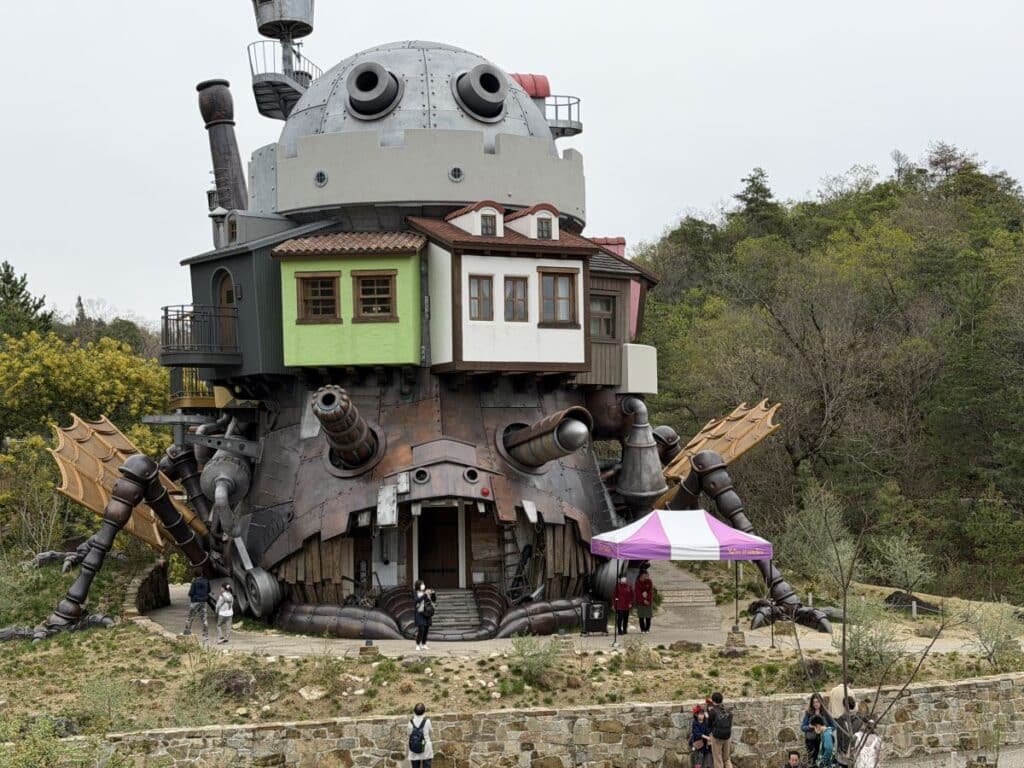
3 Must-Sees
- Nagoya Castle
- Osu and Endo-ji shopping areas
- Ghibli Park
Stay For
One night (two days) to see the basics of the city, longer if you use it as a base for day trips, or if you want to see the city in more depth. See our guide on how long to spend in Nagoya to help you decide how long you need.
I stayed in the Nikko Style on my first trip and loved it. After weeks of staying in white business hotels, I actually sighed when I walked in and saw pretty colours – and a sofa!
Transport
From Tokyo Station: Take the Tokaido Shinkansen direct to Nagoya Station
Time and Cost: 1 hour 40 minutes, around ¥11,300.
To Kyoto: Catch the Tokaido Shinkansen from Nagoya Station
Time and Cost: About 35-40 minutes, around ¥5,700
11. The Hokuriku Arch
All of the above options follow the Tokaido Shinkansen along the southern coast of Japan, but there is another route between Tokyo and Kyoto that will take you northwest of Tokyo via the Hokuriku Shinkansen.
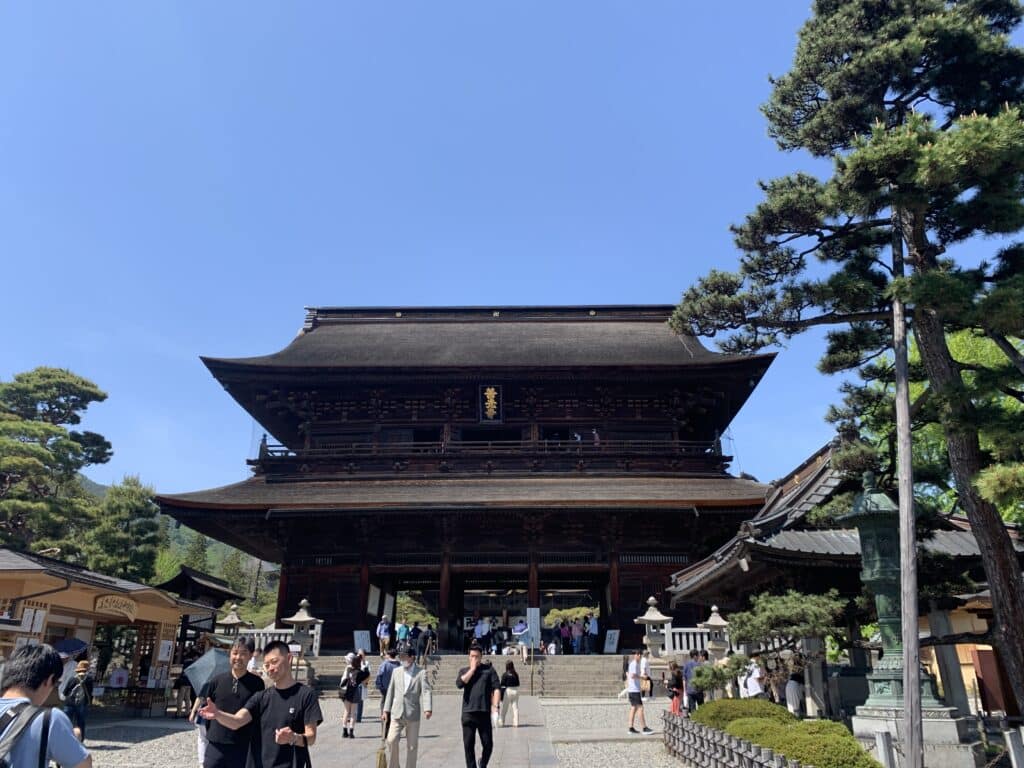
This gives you the chance to stop off at Nagano, Toyama and/or Kanazawa on your way to Kyoto.
3 Must Sees
- Zenkoji Temple or the Snow Monkeys in Nagano
- Iwase – the cute gourmet town near Toyama
- Kanazawa
Stay For
Either pick one stop for one or two nights, or spend longer travelling your way along the arch with day trips along the way. That’s what I did, and you’ll find the seven-day plan here, including suggestions for hotels.

Transport
From Tokyo: Take the Hokuriku Shinkansen from Tokyo Station. To Nagano, this takes 80 minutes and costs ¥8650. To Toyama takes 2 hours 8 minutes and costs ¥13,380, or stay on all the way to Kanazawa, which takes 2.5 hours and costs ¥14,800.
To Kyoto: From Kanazawa Station, catch the Hokuriku Shinkansen south to Tsuruga and then change to the Thunderbird train to Kyoto. This takes 1 hour and 45 minutes to travel to Kyoto and costs ¥7920. It also continues to Osaka.
12. The Alps Route
Another multi-day option is to travel to Takayama – from Nagoya or Toyama – then get the bus via Shirakawa-go to Kanazawa before travelling on to Kyoto.

3 Must Sees
- Takayama old town and the roadside koi carp at Hida Furukawa
- The pointed houses of Shirakawa-go
- Kanazawa’s pretty geisha area
Stay For
This is a multi-day trip, ideally taking 5-7 days, depending on the route you take and how many nights you spend in each place – there’s a 5-day plan here that goes via Nagano on the Hokuriku Shinkansen, or this 7-Day option allows a day trip to Matsumoto and takes in Toyama as well. Both include hotel suggestions.

Transport
From Tokyo: There are a few ways to do this route – either take the Hokuriku Shinkansen to Toyama (via Nagano), stopping off for a few days on the way. Then catch the Hida train down to Takayama. From here, you take the bus to Kanazawa (via Shirakawago). The cost for this will depend on exactly where you stop.
Or, if you are short on time, you can catch the Tokaido Shinkansen to Nagoya and take the Hida train north to Takayama. This takes around 4 hours and 27 minutes and costs ¥16,960. The route is the same as above.
To Kyoto: From Kanazawa, take the Hokuriku Shinkansen to Tsuruga and then change to the Thunderbird to Kyoto. This takes an hour and 45 minutes to travel to Kyoto and costs ¥7920. It also continues to Osaka.
And that’s it – all the main places to stop off between Tokyo and Kyoto and Osaka – there are a few small towns on the way that I haven’t been to yet, and if I get there and think they are worth a night or two, I’ll add them as time goes on.

Who Writes This Blog?
My name is Helen Foster, and I’m a journalist and author. My travel articles have appeared in publications including The Australian, Escape, RAC Horizons, Jetstar Magazine, Sainsbury’s Magazine, and more.
I’ve travelled to Japan nine times before – solo and with my partner and visited over 50 towns and cities. My last visit was in April 2026, so everything here is pretty up to date.